Best Glue for Glass to Wood in 2026 for Long-Lasting Effect
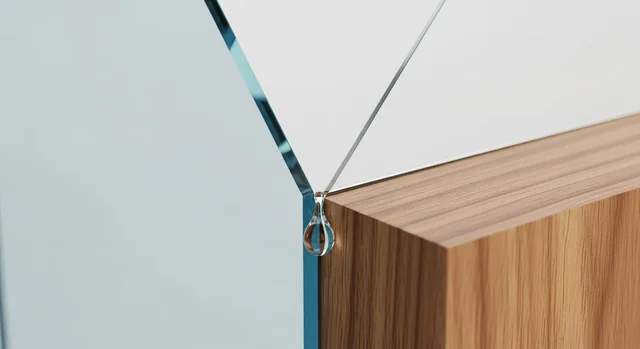
Best Glue for Glass to Wood in 2026: Complete Guide for Lasting Bonds
Bonding glass to wood requires specialized adhesives that can handle the unique challenges of joining two vastly different materials. Glass is non-porous, smooth, and rigid, while wood is porous, textured, and can expand or contract with temperature changes. In 2026, advanced adhesive technologies have made this challenging task more achievable than ever before.
Whether you're creating custom furniture pieces, repairing picture frames, installing glass shelves, or working on architectural elements, choosing the right adhesive is crucial for both immediate hold and long-term durability. This comprehensive guide covers the top-performing glass-to-wood adhesives available in 2026, along with professional application techniques and expert recommendations.
Top 5 Glass to Wood Adhesives in 2026
1. Loctite Clear Epoxy - Best Overall Performance
The Loctite Clear Epoxy stands as our top recommendation for 2026, offering an exceptional balance of strength, clarity, and ease of use. This two-part epoxy system provides professional-grade bonding with a user-friendly 5-minute working time.
Learn more in our article about What to Know Before Moving to Boston: Essential Tips, Checklist, and Mistakes to Avoid.
Key Features:
- 5-minute set time with 24-hour full cure
- Water-resistant formula suitable for humid environments
- Crystal-clear finish that won't yellow over time
- Bond strength up to 3,000 PSI
- Temperature resistance from -65°F to 250°F
- Gap-filling capabilities up to 0.05 inches
This epoxy excels in applications requiring structural integrity, such as glass cabinet doors, display cases, and architectural glazing. The extended working time allows for precise positioning, while the clear cure ensures invisible bond lines.
2. Gorilla Glue Clear - Versatile Indoor/Outdoor Solution
Gorilla Glue Clear has evolved significantly in 2026, now offering enhanced transparency and improved weather resistance. This polyurethane-based adhesive expands slightly during curing, creating mechanical bonds that complement its chemical adhesion.
Key Features:
- 100% waterproof when fully cured
- Dries completely transparent
- Excellent for outdoor applications
- Bonds to wet surfaces
- Sandable and paintable after cure
- Working time: 20-30 minutes
Ideal for outdoor projects like garden structures, greenhouse repairs, and exterior architectural elements where weather resistance is paramount.
3. Super Glue (Cyanoacrylate) - Quick Small Repairs
Advanced cyanoacrylate formulations in 2026 offer improved gap-filling properties and enhanced flexibility. These instant adhesives are perfect for small-scale repairs and precision work.
Key Features:
- Instant bonding (3-10 seconds)
- Waterproof once cured
- Minimal surface preparation required
- Excellent for small, precise applications
- Available in various viscosities
- UV-resistant formulations available
Best suited for jewelry repairs, small decorative items, and emergency fixes where immediate bonding is required.
4. Silicone Sealant - Flexible High-Stress Applications
Structural silicone sealants have advanced considerably in 2026, offering superior adhesion to both glass and wood while maintaining flexibility under stress.
Learn more in our article about WPS Office: A Complete Productivity Solution for Modern Users.
Key Features:
- Permanent flexibility prevents stress cracking
- Excellent for applications with thermal cycling
- Superior weather resistance
- Available in clear and various colors
- Mold and mildew resistant
- Working time: 5-10 minutes
Recommended for window installations, curtain walls, and applications subject to building movement or thermal expansion.
5. 3M VHB Tape - Transparent Bonding Innovation
3M VHB (Very High Bond) tapes represent cutting-edge adhesive technology, offering transparent bonding solutions that eliminate the need for liquid adhesives in many applications.
Key Features:
- Optically clear with excellent light transmission
- Instant initial tack with full strength in 72 hours
- Excellent conformability to surface irregularities
- Temperature range: -40°F to 300°F
- UV and weather resistant
- Removable without residue (specific formulations)
Perfect for modern architectural applications, display work, and situations where traditional adhesives might be visible or problematic.
Adhesive Comparison Table
| Adhesive Type | Set Time | Full Cure | Bond Strength | Water Resistance | Best Use | Price Range |
|---|---|---|---|---|---|---|
| Loctite Clear Epoxy | 5 minutes | 24 hours | 3,000 PSI | Water resistant | General purpose | $8-12 |
| Gorilla Glue Clear | 20-30 minutes | 24 hours | 2,500 PSI | Waterproof | Outdoor applications | $6-10 |
| Super Glue | 3-10 seconds | 24 hours | 2,000 PSI | Waterproof | Small repairs | $3-8 |
| Silicone Sealant | 5-10 minutes | 24-48 hours | 200-400 PSI | Excellent | Flexible joints | $5-15 |
| 3M VHB Tape | Instant | 72 hours | Varies | Excellent | Clean appearance | $15-40 |
Essential Surface Preparation Techniques
Proper surface preparation is critical for achieving maximum bond strength between glass and wood. Follow these professional techniques for optimal results:
For more details, check out our guide on How to Delete a Page on Google Docs | Fix Blank Page Issues.
Glass Surface Preparation
- Clean thoroughly: Use isopropyl alcohol (99%) to remove all traces of oils, fingerprints, and residues
- Abrade lightly: For smooth glass, use 220-grit sandpaper to create microscopic texture
- Remove dust: Use compressed air or lint-free cloth to eliminate all particles
- Apply primer: Some applications benefit from glass primer for enhanced adhesion
Wood Surface Preparation
- Sand to appropriate grit: Use 120-150 grit sandpaper for most applications
- Remove all dust: Vacuum and wipe with tack cloth
- Check moisture content: Wood should be below 12% moisture for optimal bonding
- Seal if necessary: Some woods require sealing to prevent adhesive absorption
Step-by-Step Application Guide
For Epoxy Adhesives
- Prepare surfaces as outlined above
- Mix adhesive according to manufacturer's ratio (typically 1:1)
- Apply thin, even layer to both surfaces
- Join within working time (usually 5-10 minutes)
- Apply pressure using clamps or weights
- Allow full cure time before handling (24 hours minimum)
- Clean excess with appropriate solvent before full cure
For Polyurethane Adhesives
- Ensure one surface is slightly damp (polyurethane cures with moisture)
- Apply adhesive in zigzag pattern
- Join surfaces within 15 minutes
- Clamp firmly for 1-2 hours
- Allow 24-hour cure before stress testing
Indoor vs. Outdoor Application Recommendations
Indoor Applications
For interior projects, prioritize clarity, ease of application, and minimal odor:
- Best choice: Loctite Clear Epoxy for structural applications
- Alternative: Super glue for small decorative items
- Special cases: Silicone for areas with temperature variations
Outdoor Applications
Exterior projects require enhanced weather resistance and UV stability:
- Primary recommendation: Gorilla Glue Clear for maximum weather resistance
- Professional choice: Structural silicone for building applications
- Modern solution: 3M VHB tape for clean, reversible bonding
Common Mistakes to Avoid
Understanding these frequent errors can save time and ensure successful bonding:
- Insufficient surface preparation: Rushing the cleaning process leads to weak bonds
- Applying too much adhesive: Excess adhesive creates mess without improving strength
- Inadequate clamping pressure: Proper pressure ensures intimate surface contact
- Moving parts during cure: Any movement during curing significantly weakens the bond
- Ignoring temperature requirements: Most adhesives have optimal application temperature ranges
- Using expired adhesives: Check expiration dates, especially for two-part systems
Professional Tips for Maximum Bond Strength
These expert techniques can significantly improve your bonding results:
- Test fit first: Always do a dry run to ensure proper alignment
- Control temperature: Work in 65-75°F range for optimal adhesive performance
- Use proper mixing tools: Contaminated mixing tools can compromise epoxy performance
- Plan for expansion: Allow for wood movement in your design
- Consider backup methods: Mechanical fasteners can supplement adhesive bonds
- Document your process: Keep records of successful techniques for future projects
Maintenance and Longevity
Proper maintenance extends the life of glass-to-wood bonds:
- Regular inspection: Check bonds annually for signs of failure
- Clean gently: Use mild cleaners that won't attack the adhesive
- Monitor for movement: Address any structural issues promptly
- Protect from extreme conditions: Shield bonds from excessive heat or moisture when possible
Frequently Asked Questions
What is the strongest adhesive for bonding glass to wood?
Loctite Clear Epoxy offers the highest bond strength at 3,000 PSI, making it the strongest option for most applications. However, "strongest" isn't always "best" - consider factors like flexibility, cure time, and environmental conditions when making your selection.
See also: Open offices versus traditional office spaces - which works best?.
Can I use regular wood glue to attach glass to wood?
No, traditional wood glues (PVA) are not suitable for glass bonding. Glass is non-porous and won't allow the glue to penetrate, resulting in a very weak bond that will likely fail. Always use adhesives specifically designed for dissimilar materials.
How long should I wait before handling a glass-to-wood bond?
This depends on the adhesive type: Super glue sets in seconds but needs 24 hours for full strength, epoxies typically require 24 hours minimum, and silicone sealants may need 48-72 hours. Always refer to manufacturer specifications for your specific product.
Will temperature changes affect my glass-to-wood bond?
Yes, temperature changes can stress the bond due to different expansion rates of glass and wood. Flexible adhesives like silicone sealant handle thermal cycling better than rigid epoxies. For applications with significant temperature variation, choose adhesives with good flexibility and thermal resistance.
Can I remove a glass-to-wood bond if needed?
Removal difficulty varies by adhesive type. Super glue can sometimes be softened with acetone, while epoxies typically require mechanical removal. Some 3M VHB tapes are designed for clean removal. If reversibility is important, choose your adhesive accordingly and test removal methods on samples first.
What's the best adhesive for outdoor glass-to-wood applications?
Gorilla Glue Clear is excellent for outdoor use due to its 100% waterproof nature and UV resistance. Structural silicone sealants are also excellent choices for exterior applications, especially where flexibility is needed to accommodate building movement.
How do I fix a failed glass-to-wood bond?
First, completely remove all old adhesive from both surfaces using appropriate solvents or mechanical methods. Re-prepare both surfaces as if starting fresh, then apply new adhesive. Failed bonds often result from inadequate surface preparation, so pay extra attention to cleaning and abrading surfaces.
Is it safe to use these adhesives indoors?
Most modern glass-to-wood adhesives are safe for indoor use when properly ventilated during application. Epoxies and super glues have minimal odor once cured, while some polyurethane adhesives may have stronger odors during curing. Always follow manufacturer safety guidelines and ensure adequate ventilation.
Can I paint over glass-to-wood adhesive joints?
This depends on the adhesive type. Gorilla Glue Clear and most epoxies can be painted once fully cured. Silicone sealants generally cannot be painted successfully. Always test paint adhesion on a sample area first, and ensure the adhesive is completely cured before painting.
What tools do I need for applying glass-to-wood adhesives?
Basic tools include: mixing cups and sticks (for two-part adhesives), application tools (syringes, brushes, or squeeze bottles), clamps or weights for pressure, cleaning solvents (isopropyl alcohol), sandpaper for surface preparation, and safety equipment (gloves, eye protection, ventilation). The specific tools needed vary by adhesive type and project scale.
You might also be interested in Best Google Docs Alternatives: Top Free & Paid Options for 2026.
Choosing the right adhesive for your glass-to-wood bonding project in 2026 involves considering multiple factors including environmental conditions, stress requirements, appearance needs, and working time constraints. By following the guidelines and recommendations in this comprehensive guide, you'll achieve professional-quality results that stand the test of time.