Best Glue for Lego in 2026: Complete Guide for Permanent and Temporary Solutions
Best Glue for Lego Bricks in 2026: Complete Guide for Permanent and Temporary Solutions
Finding the perfect glue for your Lego projects can make the difference between a masterpiece that lasts for years and a creation that falls apart. Whether you're building complex MOCs (My Own Creations), creating display pieces, or need temporary solutions for educational projects, understanding the right adhesive for ABS plastic is crucial.
Lego bricks are made from ABS (Acrylonitrile Butadiene Styrene) plastic, which requires specific types of adhesives for optimal bonding. Not all glues work effectively with this material, and choosing the wrong one can result in weak bonds, visible residue, or even damage to your precious bricks.
In 2026, the market offers both permanent and non-permanent solutions, ranging from industrial-strength adhesives for serious builders to kid-safe options for educational environments. This comprehensive guide will help you navigate through the best options available, their applications, and which ones deliver the best value for your specific needs.
Related: Best Google Docs Alternatives: Top Free & Paid Options for 2026.
Understanding ABS Plastic and Adhesive Compatibility
Before diving into specific products, it's essential to understand why Lego bricks require special consideration when it comes to adhesives. ABS plastic is a thermoplastic polymer known for its durability and impact resistance, but it's also notoriously difficult to bond permanently.
The smooth, non-porous surface of Lego bricks means that adhesives relying on absorption won't work effectively. Instead, you need adhesives that create chemical bonds with the plastic surface or mechanical bonds through surface preparation. The most effective adhesives for ABS plastic include:
- Cyanoacrylate (Super Glue): Creates strong bonds quickly but can be brittle
- Plastic Cement: Actually melts and fuses plastic surfaces together
- Polyurethane Adhesives: Flexible bonds that resist impact
- Specialized Lego Adhesives: Designed specifically for toy construction
Key Features to Look for in Lego Glue
Bond Strength and Durability
The primary consideration for any Lego adhesive is its ability to create lasting bonds. Look for products that specifically mention compatibility with ABS plastic or thermoplastics. The bond should be strong enough to withstand handling while remaining flexible enough to prevent cracking under stress.
Drying and Curing Time
Different projects require different working times. Quick-setting adhesives are ideal for small repairs, while longer working times allow for precise positioning of complex assemblies. Most quality Lego glues offer initial bonding within 10-30 seconds and full cure within 24 hours.
Precision Application
Lego bricks have small contact surfaces, making precision crucial. Look for adhesives with fine-tip applicators, brush applicators, or gel formulations that won't run into unwanted areas. Clean application prevents visible residue and maintains the aesthetic appeal of your builds.
Safety Considerations
If children will be involved in the project, prioritize non-toxic, low-odor formulations. Many traditional plastic adhesives contain strong solvents that require adequate ventilation and adult supervision.
Reversibility Options
For builders who want the option to modify their creations later, consider temporary or reversible adhesives. These provide additional holding power beyond friction fit while still allowing disassembly when needed.
Budget Tiers and Recommendations
Budget-Friendly Options ($5-$10)
Entry-level solutions that provide basic bonding capabilities for simple projects and occasional use. These typically include standard super glues with basic applicators and limited working time.
Mid-Range Solutions ($10-$25)
Professional-grade adhesives with precision applicators, longer working times, and specialized formulations for plastic bonding. This tier offers the best value for most serious Lego builders.
Premium Products ($25-$50)
Specialized adhesive systems designed specifically for model making and precision work. These often include multiple components, advanced applicators, and professional-grade performance characteristics.
Top Permanent Glue Options for 2026
Loctite Ultra Gel Control Super Glue
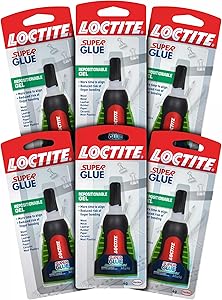
Leading the permanent adhesive category, Loctite Ultra Gel Control offers exceptional bonding strength with ABS plastic while providing precise control during application. The gel formulation prevents running and allows for accurate placement even on vertical surfaces.
Key Features:
- Patented side-squeeze design for precise control
- 15-second initial bond time
- Flexible bond that resists impact
- Works in temperatures from -65°F to 200°F
- No-clog cap design
Best for: Display models, structural reinforcement, and permanent MOC construction
Citadel Plastic Glue
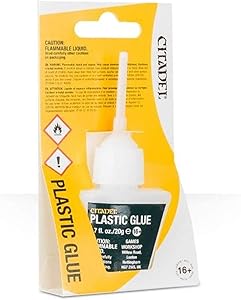
Originally designed for miniature gaming models, Citadel Plastic Glue excels with ABS plastic due to its plastic cement formulation. Rather than simply adhering surfaces, it actually welds plastic pieces together by partially dissolving the contact surfaces.
Key Features:
You might also be interested in Best Free iPad Apps in 2026: Essential Apps for Productivity, Creativity & More.
- Fine-tip applicator for precision work
- 30-second working time for positioning
- Creates chemical weld bonds
- Low odor formulation
- Designed specifically for plastic assembly
Best for: Complex assemblies requiring maximum strength and precision application
Gorilla Super Glue Gel
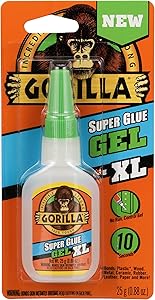
Gorilla's reputation for strong adhesives extends to their super glue gel, which provides excellent bonding with Lego bricks while offering impact resistance and gap-filling capabilities.
Key Features:
- No-run gel formula
- Impact-resistant bond
- 10-45 second working time
- Anti-clog cap
- Temperature resistant
Best for: Heavy-duty applications and builds subject to handling or transport
Best Non-Permanent and Kid-Safe Options
Le-Glue Temporary Adhesive
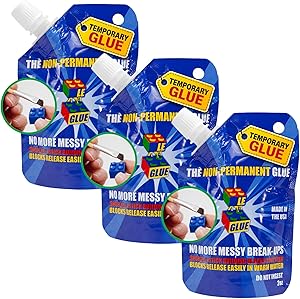
Revolutionizing temporary bonding for building blocks, Le-Glue provides additional holding power while maintaining the ability to disassemble creations. The water-soluble formula makes it completely safe for children and environmentally friendly.
Key Features:
- Water-soluble and non-toxic
- Doubles holding strength of friction connections
- Easy disassembly with warm water
- Brush applicator for even coverage
- Safe for ages 3 and up
Best for: Educational projects, temporary displays, and child-safe applications
BrickShield Protective Spray
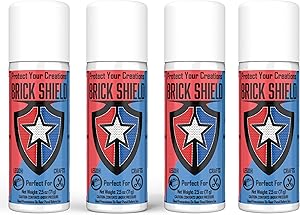
While not technically an adhesive, BrickShield provides a protective coating that can increase friction between bricks while protecting against dust and minor impacts. The removable formula makes it ideal for valuable collections.
Key Features:
For more details, check out our guide on WPS Office: A Complete Productivity Solution for Modern Users.
- Increases friction between bricks
- Dust and UV protection
- Completely removable
- Safe for all ages
- Spray application for large builds
Best for: Display protection and minor stability enhancement
Application Tips and Best Practices
Surface Preparation
Clean brick surfaces with isopropyl alcohol to remove oils, dust, and residue. Even new Lego bricks can have mold release agents that interfere with bonding. Allow surfaces to dry completely before applying adhesive.
Application Techniques
Apply adhesive sparingly to one surface only. For permanent bonds, use a small dot in the center of the stud or tube connection point. For larger surfaces, apply thin, even coats using a brush or fine-tip applicator.
Positioning and Clamping
Work quickly but deliberately. Most adhesives begin setting within 15-30 seconds. Use light, even pressure to ensure complete contact. Avoid excessive force that might squeeze out adhesive or misalign parts.
Curing Considerations
Allow full cure time before handling. While initial bonds form quickly, maximum strength typically requires 24 hours. Maintain room temperature and low humidity for optimal curing conditions.
Comprehensive Comparison Table
| Product | Type | Bond Time | Full Cure | Reversible | Kid-Safe | Price Range | Best Use |
|---|---|---|---|---|---|---|---|
| Loctite Ultra Gel | Cyanoacrylate | 15 seconds | 24 hours | No | With supervision | $8-12 | Permanent builds |
| Citadel Plastic Glue | Plastic Cement | 30 seconds | 24 hours | No | With supervision | $15-20 | Precision work |
| Gorilla Super Glue | Cyanoacrylate Gel | 10-45 seconds | 24 hours | No | With supervision | $6-10 | Heavy-duty bonds |
| Le-Glue | Water-soluble | 5 minutes | 2 hours | Yes | Yes | $12-18 | Temporary builds |
| BrickShield | Protective coating | N/A | 30 minutes | Yes | Yes | $20-25 | Display protection |
Common Mistakes to Avoid
Using Too Much Adhesive
Excess glue creates messy joints, visible residue, and can actually weaken bonds by preventing proper surface contact. A small amount goes a long way with quality adhesives.
Ignoring Cure Times
Handling assemblies before full cure can result in weak joints and misaligned parts. Plan projects to allow adequate curing time between assembly stages.
Poor Surface Preparation
Contaminated surfaces prevent proper bonding. Always clean connection points, even on new bricks, to ensure maximum adhesion.
Learn more in our article about Zoho Writer Updates: How the New Mobile Features Transform On-the-Go Productivity.
Wrong Adhesive for the Application
Permanent adhesives for temporary projects and temporary solutions for structural applications both lead to disappointment. Match the adhesive type to your specific needs.
Inadequate Ventilation
Many adhesives release fumes during application and curing. Work in well-ventilated areas and follow all safety guidelines, especially when children are present.
Frequently Asked Questions
Can I use regular super glue on Lego bricks?
While regular super glue can bond Lego bricks, specialized formulations designed for plastics provide stronger, more durable bonds. Gel formulations offer better control and precision for small parts.
How do I remove glue from Lego bricks if I make a mistake?
For cyanoacrylate adhesives, acetone or specialized debonders can dissolve bonds, though this may damage the plastic. Mechanical removal with careful cutting tools is sometimes necessary. Temporary adhesives like Le-Glue dissolve in warm water.
Is it safe for children to use Lego glue?
Permanent adhesives typically require adult supervision due to strong solvents and fumes. Kid-safe options like Le-Glue are specifically formulated for unsupervised use by children as young as 3 years old.
Will gluing Lego bricks affect their value?
Permanent gluing typically reduces the resale value of Lego sets, especially rare or collectible pieces. Consider this carefully before gluing valuable bricks, and explore temporary solutions for display purposes.
How long do glued Lego connections last?
Quality plastic adhesives can create bonds lasting decades when properly applied. Environmental factors like temperature extremes, UV exposure, and humidity can affect longevity.
Can I paint over glued Lego joints?
Most adhesives accept paint well after full cure, though surface preparation may be necessary. Test compatibility with a small sample first, as some adhesives can react with certain paint types.
What's the difference between plastic cement and super glue for Lego?
Plastic cement chemically welds plastic surfaces together by partially dissolving them, creating extremely strong bonds. Super glue creates mechanical bonds through adhesion. Plastic cement typically provides stronger, more permanent connections.
How do I apply glue to small Lego pieces without making a mess?
Use fine-tip applicators, work in good lighting, and apply adhesive to only one surface. Gel formulations provide better control than liquid adhesives. Practice on spare pieces to develop technique.
Can temperature affect Lego glue performance?
Yes, extreme temperatures can affect both application and long-term performance. Most adhesives perform best at room temperature during application and maintain bonds within specified temperature ranges.
Are there any eco-friendly options for Lego glue?
Water-soluble adhesives like Le-Glue offer environmentally friendly options that don't permanently alter the plastic. These can be washed away completely, returning bricks to their original state.
Conclusion
Selecting the right adhesive for your Lego projects in 2026 depends on balancing performance requirements with safety considerations and long-term goals. For permanent display pieces and structural applications, specialized plastic adhesives like Loctite Ultra Gel Control or Citadel Plastic Glue provide professional-grade results with precision application capabilities.
Builders working with children or those who value flexibility should consider temporary solutions like Le-Glue, which doubles connection strength while maintaining complete reversibility. These products represent a significant advancement in safe, effective temporary bonding technology.
Remember that proper surface preparation, correct application techniques, and adequate cure times are crucial for success regardless of which adhesive you choose. Take time to practice on spare pieces before working on important projects, and always prioritize safety when working with chemical adhesives.
Learn more in our article about Open offices versus traditional office spaces - which works best?.
The investment in quality Lego adhesive pays dividends in the longevity and stability of your creations. Whether you're building complex mechanical models, creating artistic displays, or working on educational projects, the right adhesive transforms good builds into lasting masterpieces that can be enjoyed for years to come.