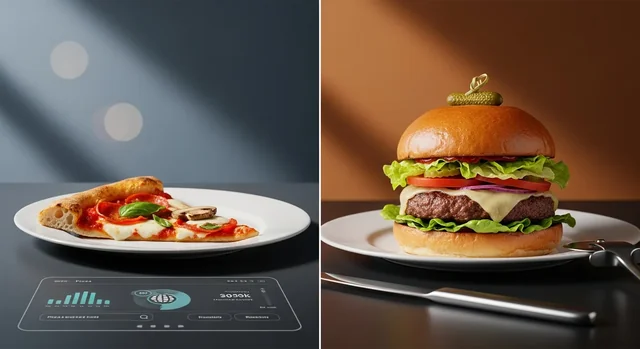
Pizza VS Burger

Split image showing half pepperoni pizza and half gourmet burger on clean white background for food

The eternal food debate continues in 2025: pizza versus burgers. With the rise of health-conscious dining and innovative food preparation methods, this comparison has evolved beyond simple taste preferences. Today's consumers are increasingly focused on nutritional value, ingredient quality, and dietary accommodations when choosing between these popular fast food options.

As we navigate through 2025's food landscape, both pizza and burgers have undergone significant transformations. From plant-based alternatives to gourmet artisanal preparations, these classic comfort foods are adapting to meet modern dietary demands while maintaining their beloved status in global cuisine.

2025 Nutritional Breakdown: Pizza vs Burger

The nutritional landscape of fast food has shifted dramatically in recent years. Modern pizza and burger preparations now offer more transparency in calorie counts and ingredient sourcing, making it easier for consumers to make informed decisions about their food choices.

Calorie Comparison: The Numbers Game

In 2025, average calorie counts have been refined through better portion control and ingredient optimization. A typical slice of pizza now contains approximately 480 calories, while a standard burger averages around 350 calories. This 130-calorie difference represents a significant consideration for calorie-conscious consumers.

The higher calorie content in pizza primarily stems from cheese, oil-based sauces, and processed meats commonly used as toppings. However, these numbers can vary dramatically based on preparation methods, crust thickness, and topping selections.

Carbohydrate Content Analysis

Carbohydrates play a crucial role in the nutritional profile of both foods. Pizza typically contains 61 grams of carbohydrates per serving, compared to burger's 28 grams. This substantial difference is primarily attributed to pizza's larger bread base and often thicker crust construction.

The type of carbohydrates also differs significantly. Pizza carbs come mainly from refined flour in the crust, while burger carbs are distributed between the bun and any added vegetables or sauces.

Fat and Cholesterol Breakdown

Fat content varies considerably between pizza and burgers, with preparation methods playing a crucial role. Traditional pizza contains approximately 18-22 grams of fat per slice, with saturated fat comprising 8-10 grams. Burgers typically contain 15-20 grams of total fat, with 6-8 grams of saturated fat.

Cholesterol levels in burgers tend to be higher due to meat content, averaging 45-65mg per serving. Pizza cholesterol levels range from 25-40mg, primarily from cheese and any meat toppings included.

Sodium Content: A Critical Health Factor

Sodium content remains a significant health concern for both food types. Pizza averages 800-1200mg of sodium per slice, while burgers typically contain 600-900mg. These levels can quickly approach or exceed daily recommended sodium intake limits, particularly when combined with sides and beverages.

The high sodium content in pizza comes from processed meats, cheese, and sauce, while burger sodium primarily originates from the meat patty, processed cheese, and condiments.

Vitamins and Minerals: Nutritional Value Assessment

Both pizza and burgers can provide essential vitamins and minerals, though the quality and quantity depend heavily on ingredient choices and preparation methods.

Pizza Nutritional Benefits

Pizza offers several nutritional advantages when prepared with quality ingredients. Tomato-based sauces provide lycopene, a powerful antioxidant linked to heart health and cancer prevention. Cheese contributes calcium and protein, while vegetable toppings can add vitamins A, C, and K.

Whole grain crusts, increasingly available in 2025, provide B vitamins, fiber, and essential minerals like iron and magnesium. However, these benefits are often overshadowed by high calorie and sodium content in traditional preparations.

Burger Nutritional Profile

Burgers provide substantial protein content, typically 20-25 grams per serving, supporting muscle maintenance and satiety. Quality beef patties offer iron, zinc, and B vitamins, particularly B12, which is essential for nerve function and red blood cell formation.

Vegetable additions like lettuce, tomatoes, and onions contribute vitamins and fiber, though quantities are usually minimal compared to pizza's potential vegetable content.

2025 Health-Conscious Trends

The food industry has responded to growing health awareness with innovative alternatives and preparation methods that maintain flavor while improving nutritional profiles.

Plant-Based Revolution

Plant-based options have exploded in popularity throughout 2025. Plant-based burger patties now closely mimic traditional meat in taste and texture while offering lower saturated fat and zero cholesterol. Popular brands like Beyond Meat and Impossible Foods have refined their formulations, reducing sodium content by 15-20% compared to 2023 versions.

Pizza has embraced plant-based alternatives through dairy-free cheese options and meat substitute toppings. These alternatives typically reduce overall calorie content by 10-15% while eliminating cholesterol entirely.

Gluten-Free Options Expansion

Gluten-free alternatives have moved beyond accommodation to preference-based choices. Cauliflower crust pizza has become mainstream, reducing carbohydrate content by up to 70% compared to traditional wheat crusts. These alternatives typically contain 180-220 calories per slice versus 480 for traditional pizza.

Gluten-free burger buns, made from alternatives like almond flour or chickpea flour, offer improved protein content and reduced refined carbohydrates.

Lean Protein Alternatives and Gourmet Innovations

Modern food preparation has embraced lean protein sources and gourmet ingredients that enhance both nutritional value and flavor complexity.

Lean Protein Integration

Turkey, chicken, and fish-based burger patties have gained significant market share, offering 25-30% less saturated fat than traditional beef. These alternatives maintain protein content while reducing overall calorie density.

Pizza toppings have evolved to include grilled chicken, turkey pepperoni, and even seafood options that provide lean protein without excessive sodium or saturated fat.

Gourmet Toppings and Artisanal Preparations

The gourmet food movement has elevated both pizza and burgers beyond fast food status. Artisanal pizzas feature ingredients like arugula, goat cheese, and roasted vegetables, improving nutritional density while maintaining indulgent appeal.

Gourmet burgers incorporate ingredients like avocado, sprouts, and artisanal cheeses, adding healthy fats and micronutrients to the traditional format.

Thin Crust and Healthier Preparation Methods

Preparation method innovations have significantly impacted the nutritional profiles of both foods, offering health-conscious consumers better options without sacrificing taste.

Thin Crust Revolution

Thin crust pizza has become increasingly popular, reducing calorie content by 25-30% compared to thick crust alternatives. A thin crust slice typically contains 320-380 calories versus 480 for traditional crust, while maintaining flavor and satisfaction.

Ultra-thin crusts made from alternative flours like almond or coconut flour offer even greater nutritional benefits, providing healthy fats and protein while reducing refined carbohydrates.

Cooking Method Improvements

Air frying and grilling have become preferred cooking methods for both foods, reducing added fats while improving texture. Air-fried burger patties contain 20-25% less fat than traditionally fried versions, while maintaining juiciness and flavor.

Wood-fired and stone-baked pizzas require less oil and cook at higher temperatures, creating better texture while reducing overall fat content.

Comprehensive Nutritional Comparison Table

Nutritional Component Pizza (per slice) Burger (standard) Difference
Calories 480 350 +130 (pizza higher)
Carbohydrates (g) 61 28 +33 (pizza higher)
Total Fat (g) 20 18 +2 (pizza higher)
Saturated Fat (g) 9 7 +2 (pizza higher)
Protein (g) 16 23 +7 (burger higher)
Sodium (mg) 1000 750 +250 (pizza higher)
Cholesterol (mg) 32 55 +23 (burger higher)
Fiber (g) 3 2 +1 (pizza higher)

Making the Healthier Choice in 2025

Choosing between pizza and burgers in 2025 requires consideration of individual dietary goals, health conditions, and lifestyle factors. Neither option is inherently "healthy" in traditional fast food preparations, but both offer paths to better nutrition through informed choices.

For weight management, burgers typically offer better calorie control and higher protein content, promoting satiety with fewer calories. However, pizza provides more opportunities for vegetable intake and can be more easily customized for specific dietary needs.

The key to healthier fast food consumption lies in preparation methods, ingredient quality, and portion control rather than categorical avoidance of either option.

Future Trends and Innovations

Looking ahead through 2025 and beyond, both pizza and burger industries continue innovating to meet evolving consumer demands for healthier, more sustainable food options.

Laboratory-grown meat alternatives promise to revolutionize burger nutrition by providing identical taste and texture with potentially superior nutritional profiles and reduced environmental impact. Similarly, fermentation-based cheese alternatives may transform pizza's nutritional landscape while maintaining beloved flavors.

Personalized nutrition technology is beginning to influence fast food preparation, with some establishments offering customized nutritional profiles based on individual health data and dietary requirements.

Frequently Asked Questions

Which is healthier: pizza or burger?

Neither pizza nor burgers are inherently healthy in traditional fast food preparations. However, burgers typically offer better calorie control (350 vs 480 calories) and higher protein content, while pizza provides more opportunities for vegetable intake and customization for dietary restrictions.

How many calories are in a typical pizza slice versus a burger in 2025?

A typical pizza slice contains approximately 480 calories, while a standard burger averages 350 calories. These numbers can vary significantly based on preparation methods, ingredients, and portion sizes.

What are the main nutritional differences between pizza and burgers?

Pizza contains significantly more carbohydrates (61g vs 28g) and sodium (1000mg vs 750mg), while burgers provide more protein (23g vs 16g) and cholesterol (55mg vs 32mg). Pizza typically has slightly higher total fat content.

Are plant-based pizza and burger options healthier?

Plant-based alternatives typically offer lower saturated fat, zero cholesterol, and often reduced sodium content. However, they may contain similar or higher calorie counts and can be highly processed. The healthiness depends on specific ingredients and preparation methods.

How do thin crust pizzas compare nutritionally to regular burgers?

Thin crust pizza slices contain approximately 320-380 calories, making them more comparable to burgers in calorie content. They still typically contain more carbohydrates and sodium than burgers but offer similar satisfaction with better portion control.

What are the best healthy toppings for pizza and burgers?

For pizza: vegetables like bell peppers, mushrooms, spinach, and tomatoes; lean proteins like grilled chicken; and reduced-fat cheese. For burgers: lettuce, tomatoes, onions, avocado, and lean protein patties made from turkey, chicken, or plant-based alternatives.

How has fast food nutrition improved in 2025?

Fast food nutrition has improved through better ingredient sourcing, reduced sodium formulations, increased plant-based options, alternative flour crusts and buns, and more transparent nutritional labeling. Many chains now offer customizable options for specific dietary needs.

Are gluten-free pizza and burger options more nutritious?

Gluten-free options can be more nutritious when made with whole food alternatives like cauliflower or almond flour, offering increased protein and reduced refined carbohydrates. However, some gluten-free processed alternatives may contain similar or higher calories and less fiber than traditional options.

What cooking methods make pizza and burgers healthier?

Air frying, grilling, and baking reduce added fats compared to deep frying. Wood-fired pizza ovens require less oil, while grilled burger patties contain less fat than fried versions. These methods maintain flavor while improving nutritional profiles.

How do homemade versions compare to restaurant pizza and burgers?

Homemade versions typically offer better nutritional control through ingredient selection, portion sizes, and cooking methods. They often contain 20-30% fewer calories and significantly less sodium than restaurant versions, while allowing for increased vegetable content and lean protein options.