Companies Setting New Standards in Energy and Infrastructure
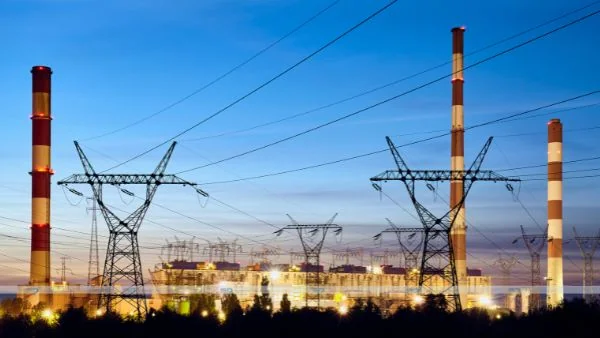
The energy and infrastructure industries are changing as global priorities shift toward sustainability. With growing concerns about climate change, many companies are adopting new strategies and technologies to reshape traditional practices. These changes are not just trends"”they represent a major shift in how energy is produced, used, and distributed, affecting everything from city planning to individual energy use. Pressure from consumers, governments, and organizations has made renewable resources and sustainable infrastructure a top priority.
This move toward sustainability includes various initiatives. Companies are focusing on renewable energy sources like solar and wind, improving energy storage, and modernizing electrical systems with innovations from companies like Busstrut to improve efficiency. Construction is also progressing, with sustainable design playing a bigger role. As the industry advances, the work of leading companies is central to shaping the future of energy and infrastructure.
Pioneers in Renewable Energy
Tesla and NextEra Energy lead the way in renewable energy, using solar, wind, and other clean technologies to promote sustainability. Innovations like Tesla's solar roofs and NextEra's large solar farms are transforming electricity generation and reducing reliance on fossil fuels, paving the way for a greener future.
Wind power plays a key role, with both companies building extensive wind farms to harness natural resources. Tesla also develops advanced energy management systems to maximize renewable use, while NextEra, a major producer of renewable energy, uses modern infrastructure to meet growing demand. These efforts support environmental goals and create a more efficient energy system.
Advancements in Energy Storage
Advancements in energy storage systems are improving how electricity supply and demand are managed. Breakthroughs in battery technology, including lithium-ion and solid-state designs, have enhanced both efficiency and storage capacity. Companies like Tesla are introducing solutions such as the Powerwall and Powerpack, making renewable energy more reliable during periods of high demand or adverse weather.
Grid-scale battery systems and pumped hydro storage add stability to energy networks, helping balance supply and demand. As storage technology improves, relying on renewables becomes easier and more reliable. These advancements support greener practices, lower carbon footprints, and long-term sustainable energy for communities.
Revamping Electrical Infrastructure
Companies like Busstrut are leading the way with advanced modular busway systems. These systems reduce electrical resistance, improving energy transfer and reducing loss, resulting in more efficient power management. The modular design allows for easy customization, making them ideal for spaces that require frequent reconfigurations, such as warehouses or production facilities, where energy needs vary.
Busstrut's systems also support sustainability by integrating renewable energy sources and optimizing usage. For example, their busways work seamlessly with solar panel installations, enabling efficient power distribution from renewable sources. These solutions are designed for commercial, industrial, and healthcare settings, making electrical systems more efficient and adaptable to future needs.
Innovative Approaches to Construction
The construction industry is adopting new technologies to create more efficient and sustainable buildings. Companies like Siemens and Caterpillar are integrating smart systems to improve design, construction, and operation. Siemens' climate control systems use sensors and real-time data to adjust temperature, lighting, and ventilation based on occupancy, reducing energy use while maintaining comfort. Caterpillar incorporates automation and telematics into its equipment, improving efficiency and accuracy on construction sites, optimizing workflows, and reducing waste.
Modular construction techniques are also gaining popularity. This approach allows for off-site assembly of building components, reducing waste and shortening construction timelines. Modular systems are often designed with integrated insulation and optimized layouts for energy efficiency. Companies are also using sustainable building materials, such as recycled steel and eco-friendly concrete alternatives, to lower the environmental impact.
Integrating Sustainability in Design
Design and construction are increasingly incorporating green technologies with a focus on sustainability. Concepts like biophilic design integrate nature into buildings through features such as natural light, plants, and water elements. This approach enhances well-being and fosters a stronger connection between indoor spaces and the environment.
The circular economy approach emphasizes using resources efficiently and reducing waste. Recycling and repurposing materials lower the environmental impact of construction. Companies adopting these methods create a sustainable cycle where waste becomes a resource.
The transformation of energy and infrastructure is being driven by innovative companies committed to sustainability and efficiency. From renewable energy pioneers like Tesla and NextEra Energy to innovators in electrical systems and construction, these efforts reflect a shift toward greener practices. Advances in energy storage, modular electrical systems, and smart building technologies are setting the stage for a more sustainable future. Integrating natural elements and circular economy principles into design further supports environmental goals. Together, these innovations not only address current challenges but also lay the groundwork for a resilient and eco-friendly future in energy and infrastructure.