
Apple's secrecy is the stuff of legend — codenames, locked rooms, products shrouded until the keynote. So a leak of this scale is genuinely rare. A ransomware group has published more than 200,000 files stolen from Tata Electronics, one of Apple's key suppliers and contract manufacturers in India — and buried inside is a goldmine of iPhone 18 Pro secrets.
This isn't a blurry render from a rumor account. These are internal supply-chain documents and real test photos, some stamped "Confidential." It's the kind of exposure Apple works obsessively to prevent. Here's the full picture.
What Happened
This is the public escalation of a breach we covered when it first surfaced — see our earlier report on the Tata Electronics data breach. Back then, the concern was that attackers had stolen a large cache of internal files. Now the other shoe has dropped: the stolen data has been dumped openly on the dark web, and researchers combing through it have found Apple's tightly guarded iPhone 18 Pro details inside.
Who's Behind It
A ransomware and extortion crew calling itself "World Leaks" claimed responsibility and posted the trove. The files began circulating around June 10, 2026, with Tata publicly disclosing the incident roughly a week later. No ransom amount has been made public — but the very act of dumping the data is the leverage: it's both punishment and a warning shot.
What the iPhone 18 Pro Files Reveal
This is where it gets remarkable. Among the 200,000+ files — which also include Apple and Tesla data — at least six focus specifically on the iPhone 18 Pro and 18 Pro Max. Here's what they expose:
| Leaked detail | What it shows |
|---|---|
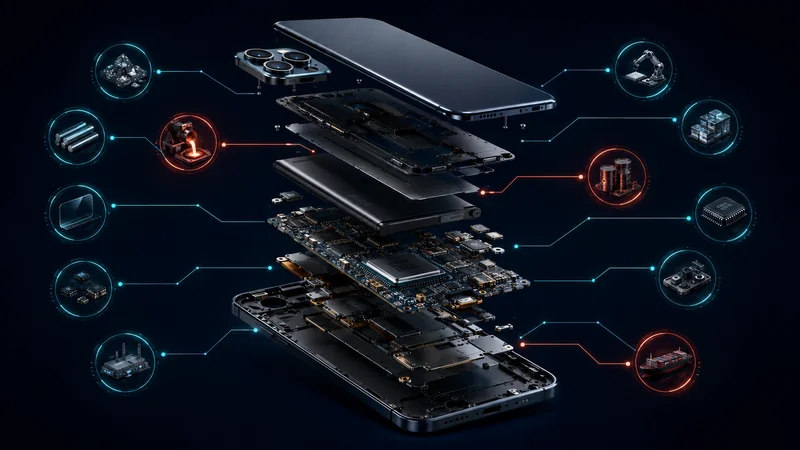
| Component-to-supplier maps | Which vendor makes each part (board chips, battery, cameras) |
| Single vs. multi-sourcing | Where Apple relies on one supplier vs. several |
| Internal codenames + watermarks | Documents stamped "Confidential" with Apple codenames |
| Drop-test photos | A slab-shaped grey handset with a three-rear-camera layout |
In other words, it's not just "what the phone looks like" — it's the blueprint of how it's built and who builds it. That second part is what Apple really never wants out in the open.
How Credible Is It?
Very — with the usual caveat. Apple never confirms unreleased products, so nothing here is "official." But because these are genuine internal documents and factory test images rather than third-party mockups, they carry far more weight than a typical rumor. They point to a familiar pro-style design with a three-camera system, though Apple can still tweak final retail details before launch.
The takeaway: treat the broad strokes as highly likely, but don't assume every spec in a stolen file is the final shipping version.
Why It Stings for Apple
Supplier-to-part mappings are among Apple's crown-jewel secrets, and for good reason. Exposing them can:
- Weaken Apple's negotiating power — rivals and even Apple's own suppliers now know who depends on whom.
- Help competitors and counterfeiters — a roadmap of parts and sources is a head start for cloning or undercutting.
- Reveal single points of failure — where one supplier is irreplaceable, that's now public knowledge.
As one report put it, the leak affects Apple's "bargaining leverage and its vulnerabilities" — a polite way of saying competitors just got a peek at Apple's playbook.
The India Angle
There's a bigger strategic story here. Apple has been aggressively moving manufacturing to India to reduce its dependence on China — and Tata is a centerpiece of that plan. India is projected to make roughly 26% of the world's iPhones in 2026, up from just 6% four years ago.
A breach at exactly this kind of partner is a stress test for that strategy. It doesn't derail Apple's India push, but it's a pointed reminder that diversifying your supply chain also means diversifying your security risk — and every new partner is a new door that has to be locked. It's also one more pressure on a supply chain already strained by rising component costs and price hikes.

The Response
Apple says it is investigating and working with Tata on long-term security improvements. Tata, for its part, has restricted internal access to sensitive systems, hired a global consultant to run a forensic audit, and says its operations remain unaffected.
The hard truth, though, is that you can't un-leak data. Once 200,000 files are on the dark web, the damage is done. From here it's about containment, hardening systems, and making sure the next partner — and the one after that — doesn't become the next headline.
Frequently Asked Questions
What was leaked in the Tata data breach?
A ransomware group published more than 200,000 files stolen from Tata Electronics, an Apple supplier and contract manufacturer in India. The trove includes Apple and Tesla data, and — most notably — at least six files detailing hundreds of iPhone 18 Pro and 18 Pro Max components, along with supplier lists, circuit-board and camera specifications, internal codenames, and photos of devices undergoing drop tests.
Who is behind the Tata hack?
A ransomware and extortion group calling itself 'World Leaks' claimed responsibility and posted the stolen files on the dark web. The data began circulating around June 10, 2026, and Tata publicly disclosed the incident roughly a week later. No ransom figure has been made public.
What does the iPhone 18 Pro leak reveal?
The files map specific iPhone 18 Pro parts to the exact suppliers that make them — covering main circuit-board chips, battery components and camera modules — and show which parts come from a single source versus multiple vendors. Some documents carry 'Confidential' Apple watermarks and internal codenames, and the dump includes images of a slab-shaped grey handset with a three-rear-camera layout being drop-tested.
Is the iPhone 18 Pro design confirmed by this leak?
Not officially — Apple never comments on unreleased products. But because these are genuine internal supply-chain documents and drop-test photos rather than rumor-site renders, they're considered unusually credible. They point to a familiar pro-style design with a three-camera system, though final retail details can still change before launch.
How did this happen?
Tata Electronics was breached, and the attackers exfiltrated a large cache of internal files before publishing them. This is the same breach SaveDelete covered earlier; the new development is that the stolen data has now been dumped publicly, and analysts have found Apple's closely guarded iPhone 18 Pro supply-chain details inside it.
Why does this matter for Apple?
Supplier-to-part mappings are some of Apple's most tightly held secrets. Exposing them can weaken Apple's negotiating leverage with vendors, hand intelligence to rivals and counterfeiters, and reveal single-supplier weak points. It also lands awkwardly as Apple leans on Indian partners like Tata to diversify manufacturing away from China — testing confidence in that strategy.
What are Apple and Tata doing about it?
Apple says it is investigating and working with Tata on long-term security improvements. Tata has restricted internal access to sensitive systems, hired a global consultant to run a forensic audit, and says its operations are unaffected. Neither company can put the data back in the bottle, so the focus is on damage control and preventing a repeat.
Final Thoughts
Leaks of unreleased iPhones happen every year — but they're usually rumors, renders and supply-chain whispers. This is different. A criminal group cracked a real Apple partner, walked off with the actual blueprints, and posted them for the world to pick through. The iPhone 18 Pro details are the eye-catching part; the deeper story is the security of Apple's sprawling, increasingly global supply chain.
As Apple spreads production across more countries and partners to reduce risk in one area, it inevitably increases exposure in another. This breach is a sharp reminder that in 2026, a company is only as secure as its least secure supplier — and protecting a product now means protecting everyone who touches it. We'll keep tracking the fallout.