Taking Action Against Bullying in Schools: Strategies for Everyone

Understanding Bullying Behavior
Bullying behavior is aggressive behavior that involves a real or perceived imbalance of power between individuals with the intent to cause emotional or physical harm. School-aged children are the primary group affected by bullying. Bullying can be physical, verbal, or social/relational and may involve a single severe act or repetition or potential repetition of a deliberate act. Cyberbullying includes the electronic creation or transmission of harassing communications, direct threats, or other harmful texts, sounds, or images. Bullying can occur on school property, on the school bus, or at school-related activities. Bullying can be directed towards female students, male students, or students of any gender identity.
Preventing Bullying
Preventing bullying requires a multi-faceted and community-based approach that includes immediate response, appropriate consequences, and support for serious incidents. Schools can prevent bullying by creating a positive school climate where students feel safe and supported, involving the entire school community in these efforts. Teachers and school administrators can prevent bullying by being knowledgeable and observant of bullying behavior. Cyber bullying, a specific form of bullying that occurs online, also needs to be addressed in prevention strategies. Parents can prevent bullying by being involved in their child's life and monitoring their online activity. Schools can prevent bullying by providing education and training on bullying prevention.
Cyberbullying Awareness and Prevention
Cyberbullying is a growing concern in schools, with the widespread use of technology and social media among students. It is essential to raise awareness about cyberbullying and its effects on students, as well as to implement prevention strategies to address this issue.
- Cyberbullying is in many forms these days, including sending hurtful and violent messages, posting embarrassing photos or videos, and spreading rumors online. These actions can have a profound impact on the victim's emotional well-being.
- Students who experience cyberbullying may feel isolated, anxious, and depressed, and may be more likely to engage in self-destructive behaviors. The anonymity of online interactions can exacerbate these feelings, making it harder for victims to seek help.
- Schools can play a crucial role in preventing cyberbullying by educating students about the risks and consequences of online behavior. Promoting a positive school climate that encourages kindness and respect can also help mitigate the effects of cyberbullying.
- Parents and guardians can help prevent cyberbullying by monitoring their child's online activity, setting limits on screen time, and encouraging open communication about online experiences. By fostering an environment of trust, parents can help their children feel comfortable discussing any issues they encounter online.
Addressing Bullying
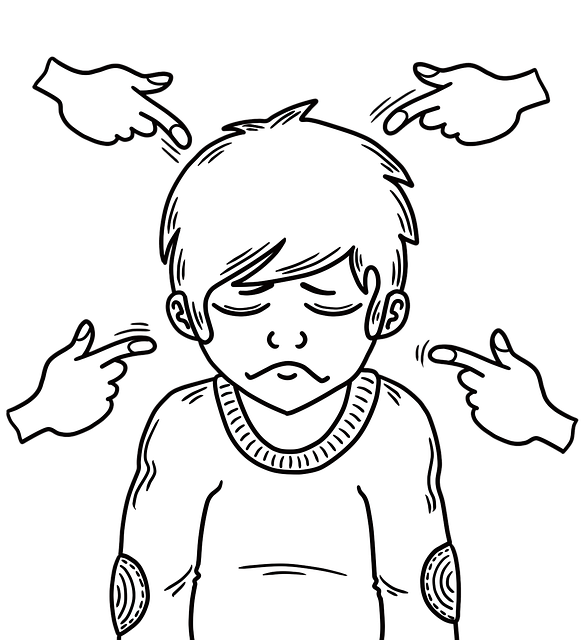
Addressing bullying requires a comprehensive approach that involves schools, students, and the entire school community, as bullying impacts not only the victims and perpetrators but also bystanders and the overall school environment.
Schools can address bullying by having a clear policy on bullying and consequences for bullying behavior.
Teachers and school administrators can address bullying by intervening immediately when they observe bullying behavior.
Parents can address bullying by supporting their child's reports of bullying and not taking away their phones as a consequence.
Schools can address bullying by providing support services for victims of bullying.
Role of Technology in Bullying

Technology can play a significant role in bullying, both as a means of perpetrating bullying behavior and as a tool for preventing and addressing bullying.
- Social media platforms, online gaming communities, and text messaging apps can all be used to bully or harass others. The ease of access and the potential for anonymity can make these platforms breeding grounds for bullying behavior.
- However, technology can also be used to prevent bullying. Online reporting tools, anonymous tip lines, and social media monitoring software can help identify and address bullying incidents quickly and effectively.
- Schools can use technology to educate students about bullying prevention. Online modules and interactive programs can engage students and provide them with the knowledge and skills to prevent and address bullying.
- Parents and guardians can also use technology to monitor their child's online activity and to communicate with school administrators about bullying concerns. By staying informed and involved, parents can help ensure their child's online safety.
Supporting Students and Parents

Supporting the school community, including students and parents, is crucial in preventing and addressing bullying.
Schools can support students by providing counseling, case management, and restorative justice.
Parents can support their child by being aware of the signs of bullying and talking to their child about bullying.
Schools can support parents by providing education and resources on bullying prevention.
Parents can support schools by being involved in safety teams and antibullying task forces.
Staff Development and Training
- Staff development and training within the school community is essential in preventing and addressing bullying.
- Teachers and school administrators can receive training on bullying prevention and response.
- Schools can provide training on school psychology and counseling to support students who have been bullied.
- Staff can receive training on identifying bullying behavior and responding to incidents of bullying.
- Schools can provide training on creating a positive school climate and promoting a culture of kindness.
Managing Aggressive Behavior

Managing aggressive behavior within the school community is crucial in preventing and addressing bullying.
Schools can manage aggressive behavior by having a clear policy on discipline and consequences for aggressive behavior.
Teachers and school administrators can manage aggressive behavior by intervening immediately when they observe aggressive behavior.
Parents can manage aggressive behavior by teaching their child skills to manage their emotions and behaviors.
Schools can manage aggressive behavior by providing support services for students who exhibit aggressive behavior.
Providing Support Services

Providing support services is essential in supporting the entire school community, including students who have been bullied.
Schools can provide counseling, case management, and restorative justice to support students who have been bullied.
Schools can provide support services for students who exhibit aggressive behavior.
Parents can provide support services by seeking outside counseling or therapy for their child.
Schools can provide support services by partnering with community organizations to provide additional resources.
Creating a Positive School Climate
Creating a safe school culture within the school community is crucial in preventing and addressing bullying.
Schools can create a safe school culture by promoting a culture of kindness and respect.
Teachers and school administrators can create a safe school culture by being visible and approachable.
Parents can create a safe school culture by being involved in their child's life and monitoring their online activity.
Schools can create a safe school culture by providing education and training on bullying prevention.
Community-Wide Approach
A community-wide approach is essential in preventing and addressing bullying within the school community.
Schools can work with community organizations to provide additional resources and support.
Parents can work with schools to provide education and training on bullying prevention.
Schools can work with local law enforcement to address incidents of bullying.
Community members can work together to create a safe and supportive environment for all students.
Legal and Policy Frameworks
There are a number of legal and policy frameworks that address bullying in schools, including federal and state laws, as well as school district policies and procedures.
- The Individuals with Disabilities Education Act (IDEA) and Section 504 of the Rehabilitation Act of 1973 require schools to provide a safe and supportive learning environment for students with disabilities. These laws ensure that students with disabilities are protected from bullying and harassment.
- The Every Student Succeeds Act (ESSA) requires schools to develop and implement policies and procedures to prevent and address bullying. This federal law emphasizes the importance of creating a safe and inclusive school environment for all students.
- Many states have enacted laws that specifically address bullying, such as requiring schools to develop bullying prevention policies and procedures. These state laws often provide additional protections and resources for students.
- School districts may also have their own policies and procedures for addressing bullying, such as disciplinary actions for students who engage in bullying behavior. These policies help ensure that there are clear consequences for bullying and that students understand the seriousness of their actions.
Monitoring and Evaluation of Anti-Bullying Programs

It is essential to monitor and evaluate anti-bullying programs to ensure that they are effective in preventing and addressing bullying.
- Schools can use a variety of methods to monitor and evaluate anti-bullying programs, such as surveys, focus groups, and incident reports. These tools can provide valuable insights into the effectiveness of the programs and identify areas for improvement.
- Parents and guardians can also provide feedback on the effectiveness of anti-bullying programs, such as through parent-teacher organization meetings and surveys. Their input can help schools understand the impact of the programs on students and make necessary adjustments.
- Schools can use data and feedback to make improvements to anti-bullying programs, such as by increasing staff training and student education. Continuous improvement ensures that the programs remain relevant and effective in addressing bullying.
- By continuously monitoring and evaluating anti-bullying programs, schools can ensure that they are providing a safe and supportive learning environment for all students. This ongoing process helps create a culture of accountability and commitment to student well-being.