The Toilet Transformation: Find Out Why Fabric Softener Is the Ultimate Secret Weapon!
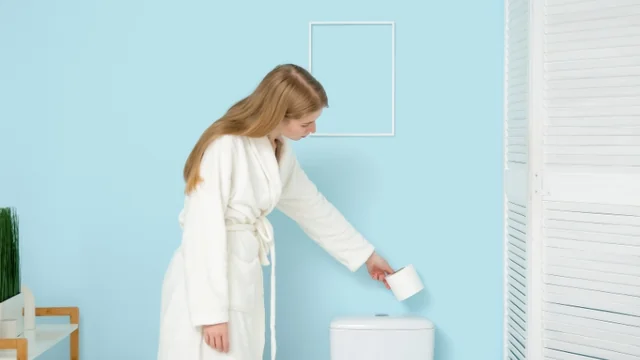
Have you ever heard about the curious practice of putting fabric softener in your toilet tank? It might sound unconventional, but for some, it's become a secret weapon in the battle against limescale, odors, and plumbing woes. In this article, we'll delve into the why's and how's of this intriguing phenomenon, exploring the science behind fabric softeners, the potential benefits, and the risks you might want to consider.
The Fabric Softener in Toilet Tank Phenomenon
A Little Backstory: I stumbled upon this quirky trick while chatting with a neighbor who swore by its effectiveness. Skeptical but curious, I decided to do a deep dive into the fabric softener and toilet tank connection.
What's the Buzz About?
So, what's the deal with fabric softener in the toilet tank? Essentially, people have been pouring a small amount of fabric softener into their toilet tanks to combat issues like limescale buildup and unpleasant odors. It's gained popularity for its supposed ability to leave the bowl fresh and clean with minimal effort.
Separating Fact from Fiction
Before you dash off to try this at home, let's debunk a few myths. Some believe it's a miracle cure for all toilet-related problems, but reality check"”it's not a one-size-fits-all solution. The magic lies in understanding the science behind fabric softeners and their interaction with water.
The Science Behind Fabric Softener
Decoding the Magic Potion:
What's in Fabric Softener?
Fabric softeners typically contain a mix of chemicals designed to soften clothes, reduce static, and impart a pleasant fragrance. Common ingredients include surfactants, emulsifiers, and fragrances. When introduced to water, these components undergo chemical reactions that can affect your toilet in unexpected ways.
The Chemical Ballet
When fabric softener meets water, it's like a chemical ballet. The surfactants in the softener break down the water's surface tension, allowing it to penetrate fabrics more effectively. In the toilet tank, these interactions can influence mineral buildup and help in tackling some common issues.
Impact on Toilet Components
But here's the kicker"”while fabric softeners can work wonders on clothes, their impact on your toilet components and plumbing system might be a different story. The chemicals in fabric softeners could potentially affect rubber seals and other materials inside the tank, leading to unexpected maintenance issues down the line.
Benefits of Using Fabric Softener in Toilet Tanks
Putting It to the Test:
Reduced Limescale and Mineral Buildup
One of the touted benefits is the reduction of limescale and mineral buildup in the toilet bowl. The surfactants in fabric softeners may help prevent these deposits, keeping your toilet looking cleaner for longer. In my own experience, I noticed a visible decrease in the stubborn stains that seemed to appear out of nowhere.
Odor Control and Improved Freshness
Another claimed advantage is the ability of fabric softener to combat unpleasant odors. The lingering freshness is said to make your bathroom a more pleasant place. While I was initially skeptical, I must admit that there's a noticeable difference in the overall smell, especially during the warmer months.
Potential Water-Saving Benefits
Some users argue that the use of fabric softener can lead to water savings. How? By potentially reducing the frequency of flushing needed to keep the toilet bowl clean. While this might not turn you into an eco-warrior overnight, every drop saved counts, right?
Risks and Considerations
But Wait, There's More:
Possible Damage to Toilet Components
While the benefits sound tempting, it's crucial to consider the potential downsides. The chemicals in fabric softeners may not play well with certain materials in your toilet tank. Rubber seals, flappers, and other components might deteriorate faster, leading to unexpected repair costs.
Environmental Concerns
Let's talk green. While fabric softeners may make your toilet bowl sparkle, the environmental impact is less appealing. The chemicals can end up in wastewater, potentially harming aquatic ecosystems. If you're an eco-conscious individual, this might be a dealbreaker.
Compatibility Issues with Certain Toilet Types
Not all toilets are created equal, and not all are compatible with fabric softeners. High-efficiency toilets, in particular, might not benefit from this practice, and you could end up doing more harm than good.
Expert Opinions and Testimonials
What the Pros Say:
Insights from Plumbing Professionals
To get a balanced view, I consulted with plumbing professionals about the fabric softener in the toilet tank trend. The consensus? While some acknowledge its potential benefits, many advise against it due to the long-term risks associated with the chemicals.
Experiences of Everyday Users
Curious to hear from everyday users, I reached out to a few friends and acquaintances who've embraced this practice. Surprisingly, the responses were mixed. Some swore by its effectiveness, while others faced unforeseen plumbing issues and regretted jumping on the bandwagon.
Potential Drawbacks and Limitations
It's essential to recognize the limitations of this unconventional method. Fabric softeners are not a cure-all, and their effectiveness can vary based on factors like water hardness, toilet type, and usage patterns.
Alternatives and Best Practices
Safer Bets and Sustainable Solutions:
Safer Alternatives for Similar Benefits
If you're hesitant about the potential risks of fabric softener, fear not. There are alternative methods to keep your toilet clean and fresh. Consider using environmentally friendly toilet bowl cleaners or DIY solutions that won't harm your plumbing.
Proper Maintenance Tips for Toilet Care
Regardless of whether you opt for fabric softener or not, regular maintenance is key. Periodic cleaning, checking for leaks, and addressing issues promptly can extend the life of your toilet and prevent unexpected hiccups.
Sustainable Practices for Minimizing Limescale and Odors
For the environmentally conscious, adopting sustainable practices is crucial. From reducing water usage to choosing eco-friendly cleaning products, there are numerous ways to keep your toilet in top-notch condition without compromising the planet.
Conclusion
To Soften or Not to Soften: The Verdict
In conclusion, the fabric softener in the toilet tank trend is a fascinating yet controversial practice. While it may offer some short-term benefits, the long-term risks and environmental concerns are worth considering. Before you embark on this unconventional journey, weigh the pros and cons, explore safer alternatives, and, most importantly, keep your toilet care routine in check. After all, a clean and fresh bathroom doesn't have to come at the expense of your plumbing or the planet.