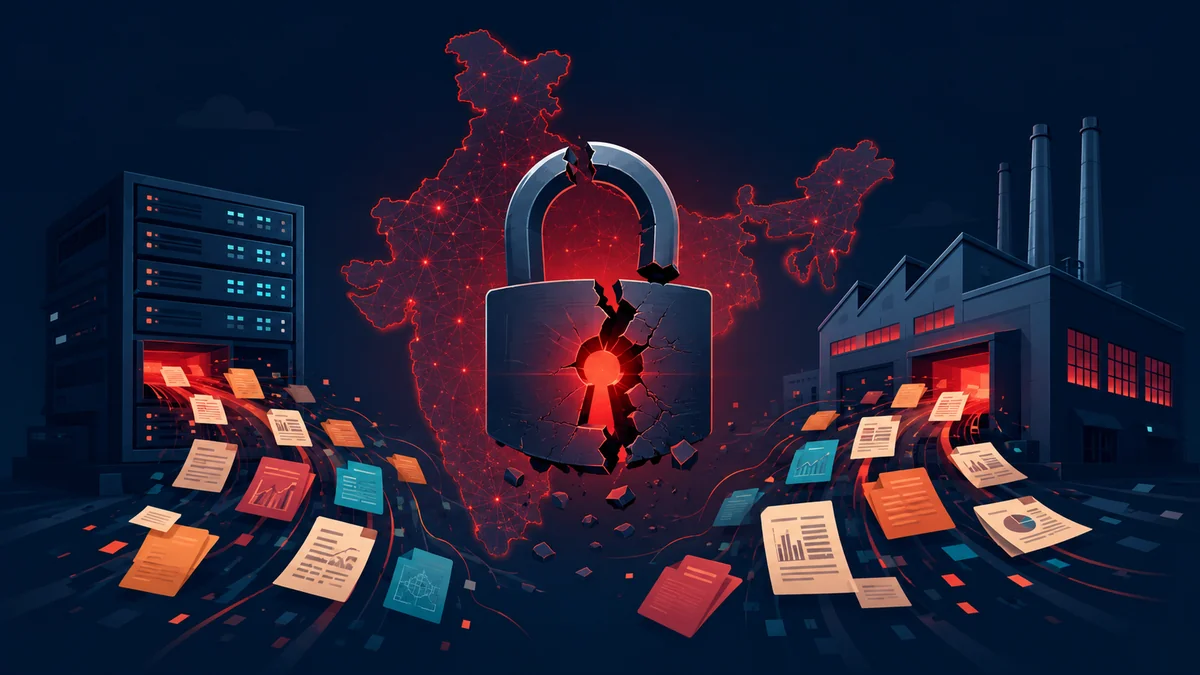
It's the kind of headline that makes both Cupertino and Austin nervous. Tata Electronics — a cornerstone of India's booming electronics manufacturing and a key Apple supplier — has confirmed a cybersecurity incident, and an extortion group claims it walked away with a massive trove of Apple and Tesla documents.
The numbers being thrown around are eye-watering: 200,000+ files, around 630 GB. But it's important to separate what's confirmed from what's merely claimed by the attackers. Here's a clear, careful breakdown.
What Happened
Tata Electronics said it identified a cybersecurity incident on some of its systems and deployed its response protocols. Around the same time, an extortion group calling itself World Leaks claimed responsibility, asserting it had exfiltrated and begun posting a large cache of internal files allegedly tied to Apple and Tesla.
Crucially, while Tata has confirmed an incident, the specific contents of the leak are being claimed by the attackers and have not been fully independently verified. That distinction matters throughout this story.
What Was Allegedly Leaked
According to the group's claims (reported by multiple outlets, but not independently confirmed), the cache reportedly includes:
| Reported item | Detail (as alleged) |
|---|---|
| Scale | ~204,000 files, roughly 630 GB |
| Apple material | A document on iPhone circuit-board quality-inspection standards; files referencing the Hosur assembly plant |
| Tesla material | References to "Project Highland" (updated Model 3) and a charge-port controller component |
| Other | Technical/mechanical drawings and reportedly passport scans |
To be clear, SaveDelete is not linking to or republishing any of this material. The point is the nature of the alleged exposure: manufacturing and design documentation, the kind of trade-secret data brands guard fiercely.
Who Is World Leaks?
World Leaks is the name used by the group claiming the attack. Groups like this typically follow a familiar playbook: steal data, then demand a ransom, threatening to publish or sell it if they aren't paid. Reuters reported that Tata received a ransom demand connected to the incident.
One caution: extortion groups routinely exaggerate the scale and sensitivity of what they've stolen to increase pressure. Until forensic analysis confirms the contents, the boldest claims deserve healthy skepticism.
Why Tata Sits at the Center
This story matters because of where it happened. Tata Electronics has rapidly become a pillar of Apple's manufacturing push in India, assembling a meaningful share of iPhones — including at its plant in Hosur, Tamil Nadu. As Apple diversifies production beyond China, suppliers like Tata increasingly handle sensitive design, tooling and quality data.
That's exactly what makes a contract manufacturer such a tempting target: breach one supplier, and you can potentially expose the secrets of several global brands at once. It's the same India-tech-rise story we've tracked from the Reliance Jio IPO to India's AI unicorns — only this time, the spotlight is on its risks.
The Response
So far, the public response has been measured:
- Tata Electronics: says it detected the incident, immediately deployed response protocols, and that business operations remain unaffected.
- Apple: said it is investigating the matter.
- Tesla: limited public comment at the time of reporting.
Restrained messaging is normal while forensic teams work and legal/security implications are assessed. Expect more detail — or pointed silence — as investigations progress.
Why It Matters
Beyond the big-name drama, this breach lands on a sensitive nerve:
- Supply-chain security is the soft underbelly. Brands can lock down their own systems, but they're only as secure as their vendors.
- India's manufacturing moment is being tested. The country is courting the world's biggest tech firms; incidents like this raise the bar on security expectations.
- One breach, many victims. A single contract manufacturer can hold secrets from multiple rival companies simultaneously.
- Extortion is now industrial. Ransom-driven data theft has moved from hospitals and banks squarely into high-tech manufacturing.
What It Means for You
If you own an iPhone or a Tesla, there's no indication you need to do anything. The reported material is manufacturing and design documentation — corporate trade secrets — not customer accounts or personal data. The damage here is competitive and reputational, aimed at companies, not consumers.
The bigger takeaway is about trust in the supply chain: as more of the world's gadgets are built in India, securing the suppliers becomes just as important as securing the brands themselves.
Frequently Asked Questions
What happened in the Tata Electronics data breach?
Tata Electronics confirmed it identified a cybersecurity incident on some of its systems. An extortion group calling itself World Leaks subsequently claimed it had stolen and posted a large cache of files — reported at more than 200,000 documents — allegedly including confidential Apple and Tesla material. Tata says the incident has not affected its operations, and investigations are ongoing.
What data was allegedly leaked?
According to the threat group's claims (not independently verified), the cache totals around 630 GB and includes technical and mechanical drawings, quality-inspection documents, and even passport scans. Reports describe an Apple document on iPhone circuit-board inspection standards, and Tesla material referencing 'Project Highland' (the updated Model 3) and a charge-port controller component. Treat the specifics as alleged until confirmed.
Who is World Leaks?
World Leaks is the name used by the extortion group claiming responsibility. Such groups typically steal data and then demand a ransom, threatening to publish or sell the files if they aren't paid. Reuters reported that Tata received a ransom demand related to the incident. Claims made by extortion groups should be treated cautiously, as they often exaggerate.
Why does Tata Electronics matter to Apple and Tesla?
Tata Electronics is a major manufacturer in Apple's supply chain — it assembles a significant share of iPhones in India, including at its plant in Hosur, Tamil Nadu. As global brands shift manufacturing to India, suppliers like Tata handle sensitive design and quality data, which makes them an attractive target and a potential weak point in the supply chain.
How have Tata, Apple and Tesla responded?
Tata Electronics said it detected the incident, deployed response protocols immediately, and that its business operations remain unaffected. Apple said it is investigating the matter. As of the latest reports, public comment has been limited, which is typical while forensic investigations are underway and legal and security considerations are assessed.
Is my personal data or my iPhone at risk?
Based on what's been reported, the leaked material appears to be manufacturing and design documentation rather than consumer accounts or customer data, so there's no indication that ordinary iPhone or Tesla owners need to take action. The bigger risk is to corporate trade secrets and supply-chain security, not individual users' devices.
Why is this breach a big deal?
It spotlights supply-chain security as global tech giants move manufacturing to India. A single supplier breach can expose the trade secrets of multiple major brands at once. It also tests confidence in India's fast-growing electronics manufacturing sector, which is central to both Apple's diversification away from China and India's own tech ambitions.
Final Thoughts
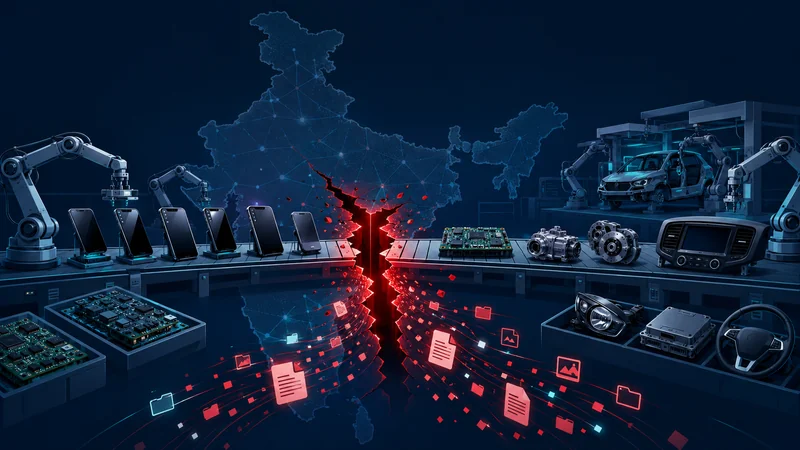
Strip away the Apple-and-Tesla star power and this is a story about a quieter, growing risk: as the world builds its phones and cars in more places, the supply chain becomes the battleground. A breach at a single contract manufacturer can ripple outward to the biggest brands on earth.
For now, treat the most dramatic claims with caution until investigations confirm them — but take the underlying lesson seriously. As India cements its place as a global manufacturing hub, securing the suppliers is no longer optional. We'll update this story as Tata, Apple and Tesla say more.