The Best Lightweight Moisturizers for Healthy Skin in 2026
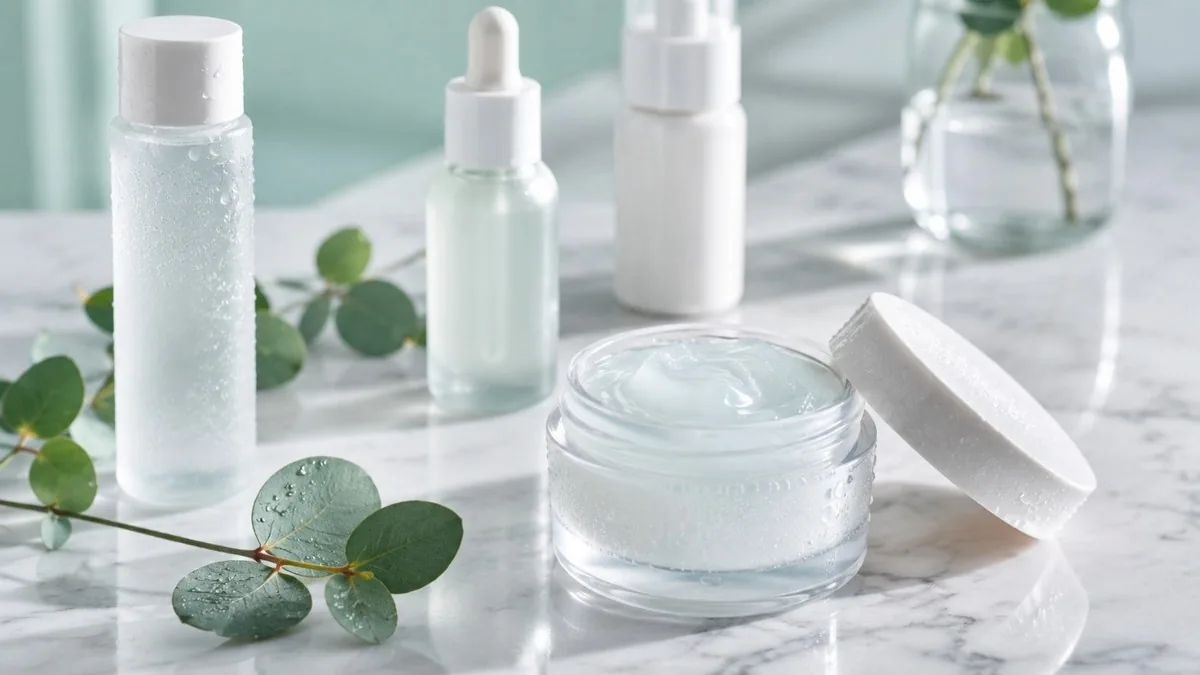
Lightweight moisturizers have become the default for anyone with oily, combination, or breakout-prone skin who still wants a strong moisture barrier without grease or shine. The best 2026 picks lean on humectants like hyaluronic acid and glycerin, barrier-repairing ceramides, and oil-balancing niacinamide in fast-absorbing gel, gel-cream, and oil-free lotion textures. Below are eight widely available options across drugstore and prestige price points, with the key ingredients and skin types each one fits best.
Quick note: this is general skincare information, not medical advice. Patch-test new products and see a board-certified dermatologist for persistent skin concerns.
A lightweight moisturizer hydrates without feeling heavy or greasy — ideal for oily, combination and acne-prone skin, and great for everyone in warm weather or under makeup. Look for water-based gels and lotions with humectants like hyaluronic acid and glycerin, plus niacinamide and ceramides to support the skin barrier. Here are the best lightweight moisturizers in 2026.
The Best Lightweight Moisturizers in 2026
CeraVe Daily Moisturizing Lotion
Drugstore; ~$13-19 (8-12 oz); Amazon/Target/CVS
An oil-free, lightweight lotion with three essential ceramides (NP, AP, EOP), hyaluronic acid, and glycerin, plus CeraVe's MVE time-release technology for all-day hydration. It is fragrance-free and non-comedogenic, making it a reliable everyday pick for normal to slightly dry or combination skin and a longtime dermatologist favorite. Great value in a large bottle that works on face and body.
Neutrogena Hydro Boost Water Gel
Drugstore; ~$20-25 (1.7 oz); Amazon/Target/Ulta
A cult water-gel moisturizer powered by hyaluronic acid plus Natural Moisturizing Factors that absorbs fast and dries to a fresh, near-matte finish. Oil-free and non-comedogenic, it is ideal for normal, oily, and combination skin that wants hydration without weight. Available in original and fragrance-free versions.
La Roche-Posay Toleriane Double Repair Face Moisturizer
Drugstore/derm; ~$22-25 (3.38 oz); Amazon/Ulta/Target
A barrier-focused moisturizer combining ceramide-3, niacinamide, glycerin, and prebiotic thermal water that feels lightweight yet delivers up to 48-hour hydration. Fragrance-free and well tolerated, it suits sensitive, normal, and combination skin, and there is a dedicated oil-free Matte version for oily skin. A strong everyday face moisturizer for reactive skin.
CeraVe PM Facial Moisturizing Lotion
Drugstore; ~$16-20 (3 oz); Amazon/CVS/Walmart
An ultra-lightweight, oil-free night lotion with niacinamide, hyaluronic acid, and three essential ceramides that calms and rebuilds the barrier overnight. Its non-greasy texture layers well after retinoids or acids, making it a go-to for oily, combination, and acne-prone skin. Fragrance-free and non-comedogenic, and also usable in the daytime under SPF.
The Ordinary Natural Moisturizing Factors + HA
Budget; ~$8-9 (30ml) / ~$13 (100ml); Amazon/Sephora/Ulta
A budget-friendly, non-greasy surface hydrator that pairs hyaluronic acid with skin-identical amino acids, fatty acids, ceramides, urea, and sodium PCA to replenish the skin's own moisturizing factors. Lightweight enough for oily and combination skin yet comforting for normal-to-dry, it is one of the best low-cost daily moisturizers available. Fragrance-free and simple to layer.
Vanicream Daily Facial Moisturizer
Drugstore/sensitive; ~$13-16 (3 oz); Amazon/Walmart/Ulta
Formulated for sensitive and reactive skin with hyaluronic acid, five ceramides, squalane, and glycerin, and free of dyes, fragrance, parabens, lanolin, and essential oils. The lightweight, non-comedogenic texture wears well under makeup and suits sensitive, oily, dry, or combination skin. A top choice for anyone prone to irritation or with eczema-prone skin.
Cetaphil Daily Oil-Free Hydrating Lotion
Drugstore; ~$15-18 (3 oz); Amazon/Target/CVS
An ultra-light, oil-free lotion with hyaluronic acid that delivers 24-hour hydration without clogging pores or leaving residue. Hypoallergenic and fragrance-free, it is aimed at sensitive and combination skin and sits comfortably under makeup. A simple, no-frills daily option from a long-trusted gentle-skincare brand.
Clinique Dramatically Different Hydrating Jelly
Prestige; ~$32-39 (4.2 oz); Sephora/Ulta/Amazon
A 100% fragrance-free, oil-free water-jelly that uses hyaluronic acid and a moisture-barrier blend for fresh, non-sticky hydration plus light pollution protection. The bouncy, fast-absorbing texture suits all skin types and is especially nice for oily and combination skin that dislikes creams. A prestige pick for those who want a clean gel finish.
Choosing a Lightweight Moisturizer
Match the formula to your skin: oily/acne-prone skin does best with oil-free gels (hyaluronic acid, niacinamide); sensitive skin wants short, fragrance-free ingredient lists (Vanicream, Cetaphil, La Roche-Posay Toleriane); and combination skin can use a light lotion all over. Apply to slightly damp skin to lock in water, and always layer a separate broad-spectrum SPF 30+ over your moisturizer in the morning. For cleansing, see our guide to the best salicylic acid face washes.
Frequently Asked Questions
What is the difference between a lightweight moisturizer and a regular one?
A lightweight moisturizer uses a thinner gel, gel-cream, or oil-free lotion base that absorbs quickly and leaves little to no residue, relying mainly on water-binding humectants like hyaluronic acid and glycerin. Regular creams and ointments are richer, contain more occlusives and oils, and seal in moisture more heavily, which suits dry skin but can feel greasy or clog pores on oily skin. Lightweight options give hydration without the weight or shine.
Should people with oily skin still use a moisturizer?
Yes. Oily skin still needs hydration, and skipping moisturizer can actually trigger more oil production as skin tries to compensate. The key is choosing an oil-free, non-comedogenic gel or lotion with humectants like hyaluronic acid and balancing niacinamide rather than a heavy cream. This keeps the barrier healthy without adding grease.
When should I apply a lightweight moisturizer?
Apply it twice a day, morning and night, onto slightly damp skin right after cleansing and any serums, so humectants can pull in and lock that moisture. In the morning, follow with a broad-spectrum SPF 30+ sunscreen as your last daytime step. At night you can use the same product or a dedicated PM formula.
Which ingredients should I look for in a lightweight moisturizer?
Look for humectants such as hyaluronic acid, glycerin, and sodium PCA to draw in water, plus ceramides to repair and strengthen the skin barrier. Niacinamide is a great bonus for oily and combination skin because it helps balance oil and calm redness. The AAD recommends fragrance-free, non-comedogenic formulas, especially for sensitive or breakout-prone skin.
Are drugstore lightweight moisturizers as good as expensive ones?
Often yes. Drugstore staples like CeraVe, Cetaphil, Vanicream, and The Ordinary contain the same evidence-backed ingredients (hyaluronic acid, ceramides, niacinamide) that dermatologists recommend, frequently at a fraction of prestige prices. Pricier formulas may offer nicer textures or extras, but ingredient quality and barrier support do not require a high price tag. Choose based on your skin type and texture preference.
This article is for general information only and is not medical advice. Individual results vary; patch-test new products and consult a dermatologist about specific skin conditions or reactions. As an Amazon Associate we may earn from qualifying purchases.