How to Design a Home Wine Tasting Room That Feels Elegant and Inviting
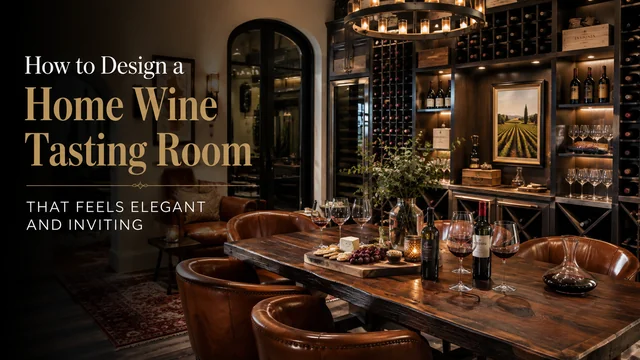
There is something different about opening a bottle at home when the setting feels right.
The dining table can be beautifully arranged, the food can be fresh from the kitchen and the evening can already be enjoyable. Yet a small space created specifically for tasting wine can make the whole experience feel more relaxed. It gives the ritual a place of its own without requiring a huge cellar or an elaborate entertainment room.
A home wine tasting area does not have to be formal either. It could be a quiet corner near the dining room, a section of a larger kitchen, or a compact room that was previously being used for storage. What matters most is how the space works when people actually use it.
Start With the Experience You Want
Before choosing furniture or deciding where the bottles will go, think about how you expect to use the room.
A person who enjoys a quiet glass after dinner may want a very different atmosphere from someone who regularly invites friends over for tasting evenings.
Some spaces are designed around conversation. Others put more emphasis on displaying bottles, preparing food or simply creating a comfortable place to sit.
This decision affects almost everything else.
If guests are likely to stay for an hour or more, comfortable seating becomes more important. If tasting is the main activity, a proper surface for pouring and comparing wines may be more useful. When food is usually served alongside the wine, having easy access to small plates, serving boards and glassware can save a surprising amount of movement.
It is much easier to get the design right once the purpose of the room is clear.
Choose the Right Location in the Home
A wine tasting space does not necessarily need to be hidden away.
In fact, placing it close to the dining or kitchen area can make entertaining much easier. Bottles can be brought out without carrying them across the house, and guests can move naturally between dinner and the tasting area.
There are practical considerations too.
A space directly beside cooking appliances may experience more heat than other parts of the home. A room with strong afternoon sunlight may also be less suitable for bottles that are expected to remain there for extended periods.
For that reason, location should be considered for both atmosphere and practicality.
An unused corner of a dining room may work beautifully for serving and display, while bottles intended for longer storage may still need a dedicated temperature-controlled environment elsewhere.
Keep the Furniture Comfortable and Simple
A tasting room should encourage people to stay.
That sounds obvious, but overly rigid furniture can make the space feel more like a commercial venue than part of a home.
A comfortable armchair, compact sofa or a few supportive dining-style chairs can create a much more relaxed setting. If there is enough room, a small central table gives guests somewhere to place glasses without making the room feel crowded.
The furniture does not need to match perfectly.
A mix of wood, upholstered seating and simple metal details can create character while still looking considered. The best combinations often feel collected over time rather than purchased as one complete set.
There should also be enough open space for people to move around comfortably when several guests are standing, sitting and talking at once.
Give Glassware a Proper Place
Wine glasses tend to become an afterthought.
They should not be.
Different glasses can change how a wine feels during tasting, but from a design perspective, storing them properly is just as important. They are delicate, awkwardly shaped and take up more room than most homeowners expect.
Open shelving can make attractive glassware part of the room's design. Closed cupboards provide more protection and can keep the space looking cleaner.
A combination of both can work particularly well.
Frequently used glasses can remain visible, while less common pieces and serving accessories can stay behind doors. This keeps the room practical without making every surface look like a display cabinet.
The same principle applies to decanters, corkscrews, stoppers and tasting accessories. Keeping them nearby means the room can be used without having to bring half the kitchen with you.
Create a Small Serving Station
One of the most useful additions to a tasting room is a dedicated serving surface.
It does not need to be a full bar.
A narrow counter can provide enough room for opening bottles, arranging glasses and placing small plates. Drawers beneath it can store napkins, bottle openers and other essentials, while a cupboard can hold extra glassware.
This makes the room feel more self-contained.
It also changes the way people host. Instead of standing in the kitchen preparing every drink, the host can spend more time with guests.
For smaller homes, a built-in unit is especially useful because the storage can be designed around the exact width of the wall rather than relying on a large piece of standard furniture.
Pay Attention to Lighting
Lighting can completely change the mood of a wine space.
Strong overhead lighting might be useful while cleaning, but it rarely creates the most inviting atmosphere for an evening tasting.
Layered lighting tends to work better.
A pair of wall lights can provide a gentle background glow. Small integrated lights can highlight shelving or bottle displays. A pendant above the serving counter can give the area a clear focal point without making the entire room equally bright.
There is also something to be said for natural light during daytime tastings, particularly when the room has a pleasant view.
The trick is balance. Too much direct sunlight can make the room uncomfortable, while too little light can make labels, menus and glassware difficult to see.
A space should be beautiful in photographs, but it needs to function after sunset too.
Use Materials That Add Warmth
Wine spaces can easily become overly polished.
Rows of bottles, dark cabinetry and shiny surfaces may look impressive initially, but without softer elements the room can start feeling cold.
Natural materials are a simple way to avoid this.
Timber shelves, stone surfaces, textured walls and upholstered seating can add depth without making the design complicated. Even a woven rug can make a compact tasting room feel much more comfortable.
Colour matters too.
Deep olive, warm taupe, charcoal, muted beige and earthy brown can all create a richer atmosphere than bright white walls. The room does not have to be dark to feel sophisticated. A few darker elements against lighter surroundings can provide enough contrast.
The goal is warmth rather than drama.
Add Personality Without Filling Every Surface
A tasting room should tell people something about the person who uses it.
That could mean displaying a few favourite bottles, photographs from vineyard visits, books about food and wine or ceramics collected while travelling.
It does not require dozens of decorative pieces.
In fact, too many objects can make the room feel cluttered and distract from the bottles themselves. A small selection usually has more impact.
This is especially true on open shelving. Leaving gaps between books, glasses, bottles and decorative objects allows every item to stand out.
A room with breathing space often feels more expensive than one filled from corner to corner.
Consider Temperature and Storage Separately
A tasting room and a long-term storage room do not always have to be the same thing.
This distinction is worth making from the beginning.
Bottles intended to be enjoyed soon can be kept close to the serving area, while wines that need longer maturation may be better protected in a controlled storage environment. This approach also means the design of the tasting room can focus more heavily on comfort, display and entertaining.
For enthusiasts whose collections are becoming more serious, purpose-built private wine vaults. can provide a separate solution for bottles that require specialised long-term care, allowing the entertaining area to remain visually clean and easy to use.
That separation can make the entire home feel more organised.
Design for Conversation, Not Just Decoration
The most memorable tasting rooms are often not the ones with the most impressive furniture.
They are the ones where people naturally settle in.
Chairs should face each other rather than point everything toward a television. The main table should be close enough for conversation. Lighting should allow people to see one another without feeling like they are sitting beneath a spotlight.
Even sound matters.
Soft furnishings and books can help reduce echoes, particularly in rooms with hard floors and cabinetry. A little acoustic softness can make conversations feel more comfortable when several people are speaking at once.
These details rarely appear in a design brief, but they become noticeable during a real evening with guests.
Leave Space for the Room to Evolve
Taste changes.
So do collections, furniture preferences and the way people entertain.
A tasting room designed around one particular setup can become frustrating surprisingly quickly. Shelving that can be adjusted, flexible seating and cabinets that can serve more than one purpose make it easier to adapt the room later.
Perhaps the wine collection grows. Maybe the space becomes part dining area and part tasting room. Perhaps it eventually becomes a general entertaining space.
A flexible design can handle those changes without requiring a complete renovation.
A Good Wine Room Should Feel Like Home
The best home wine tasting rooms are not miniature versions of commercial cellars.
They are personal spaces.
They combine practical storage with comfortable seating, thoughtful lighting and enough character to make guests want to stay. They support the way people actually eat, talk and entertain rather than simply creating a place to display bottles.
That is ultimately what makes the space worthwhile.
You do not need a huge house or an impressive collection to create one. A carefully planned corner, the right furniture and a few thoughtful details can turn an ordinary part of the home into a setting that makes dinner, conversation and a good bottle feel just a little more special.