Crafting the Perfect Pour: Your Guide To Creating the Ultimate Custom Home Bar
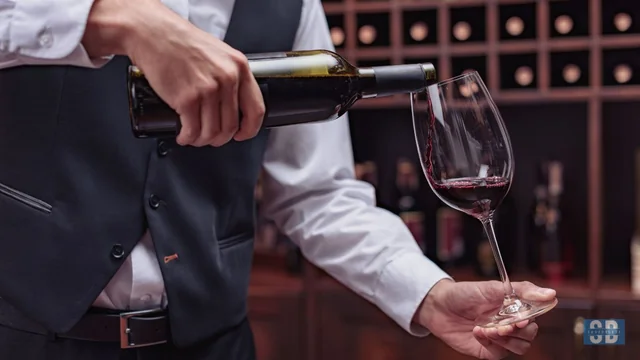
There's something uniquely inviting about a home bar. It's more than just a place to store bottles; it's the centerpiece of your entertaining space, a personal oasis for unwinding, and a hands-on studio for your inner mixologist.
But creating the "ultimate" home bar doesn't mean it has to be a massive, bank-breaking project. The perfect bar is one that's designed for you—your space, your style, and your favorite drinks.
Whether you're envisioning a grand, speakeasy-style centerpiece or a clever, compact "barmoire," this guide will walk you through the essential steps to craft your perfect pour.
1. Location, Location, Location
Before you buy a single bottle, decide where your bar will live. This choice will dictate everything else, from size to functionality.
-
The Dedicated Zone: This is the classic choice—a corner of your basement, den, or bonus room. It offers the most potential for a full-scale build with seating and major appliances.
-
The Integrated Bar: Modern homes often incorporate the bar into a living or dining room. This can be a built-in cabinet run along a wall or a dedicated nook between the kitchen and living area, making it perfect for entertaining.
-
The Repurposed Space: Get creative! An under-used closet can become a stunning "barmoire" (a bar in an armoire or closet). A space under the stairs or a short, empty hallway can be transformed with smart shelving and a countertop.
-
The Mobile Solution: Don't have space for a built-in? A high-quality bar cart is the ultimate in flexible, small-space solutions.
Key Question: Do you want a Wet Bar or a Dry Bar?
-
A dry bar is for storage, prep, and serving.
-
A wet bar includes a sink, which requires plumbing. This is a game-changer for easy cleanup and prep (like washing shakers or getting water) but significantly adds to the cost and complexity of the build.
2. Define Your Vibe: Style & Atmosphere
Your bar should be a reflection of your home's personality. The "vibe" will guide your choices in materials, colors, and lighting.
-
Classic Speakeasy: Think dark woods (like walnut or mahogany), leather bar stools, brass or bronze hardware, and dim, warm lighting. A mirrored backsplash is a must.
-
Modern Minimalist: Go for clean lines, sleek cabinetry, and integrated appliances (like a beverage cooler hidden behind a cabinet panel). Countertops in quartz or stainless steel work beautifully.
-
Rustic Farmhouse: Reclaimed wood, open shelving with iron pipe brackets, and a shiplap backsplash can create a cozy, inviting feel.
-
Tiki or Retro: Don't be afraid to have fun! This is a space for personality. Think bright colors, kitschy decor, and theme-specific details.
3. The Essentials: Building for Function
Once you have your location and style, it's time to plan the functional components. A bar has three main jobs: Storage, Prep, and Serving.
Storage: A Place for Everything
Smart storage is the secret to a bar that looks clean, not cluttered.
-
Bottle Storage: A combination of display shelving for your "hero" bottles and deep drawers or closed cabinets for the rest.
-
Glassware: Hanging racks (stemware holders) are a classic space-saver. Glass-front cabinets or open shelves also work beautifully to show off your collection.
-
Tools: A dedicated drawer with organizers is perfect for jiggers, shakers, and spoons.
Prep: The "Workstation"
This is your counter space.
-
Material: It needs to be durable and waterproof. Quartz and granite are top-tier, as they won't stain or etch from citrus or alcohol. Butcher block offers a warm look but requires more maintenance (regular sealing).
-
Space: Even in a small bar, aim for at least 24-30 inches of clear, usable counter space for your cutting board, ice bucket, and mixing glass.
Appliances: The Power-Ups
-
Must-Have: Beverage Fridge. A dedicated cooler is non-negotiable. It keeps your wine, beer, and mixers (like tonic and club soda) at the perfect temperature without crowding your main kitchen fridge.
-
The Upgrade: Clear Ice Maker. This is the single biggest "ultimate" feature. Clear ice melts slower, looks professional, and doesn't cloud your drink.
-
The Luxury: A bar-sized dishwasher, a kegerator for draft beer, or a dual-zone wine fridge.
4. Stocking the Shelves: Your Starting Lineup
A beautiful bar with nothing in it is just shelving. Here's a solid foundation to build upon.
The Tools of the Trade
Start with a quality basic set:
-
Shaker: A Boston shaker (two tins) or a Cobbler (with built-in strainer).
-
Jigger: For precise 1-oz and 2-oz pours.
-
Strainer: A Hawthorne strainer (for shakers) and a fine-mesh strainer (for a super-smooth drink).
-
Bar Spoon: The long, twisted handle is for stirring cocktails like a Manhattan or Old Fashioned.
-
Muddler: For crushing herbs (like mint) and fruit.
-
Other basics: Paring knife, small cutting board, peeler, and a good citrus juicer.
Essential Glassware
The right glass truly enhances the drink. Start with these four versatile types:
-
Rocks / Old Fashioned: For spirits on the rocks or an Old Fashioned.
-
Highball / Collins: For "tall" drinks like a Gin & Tonic or a Mojito.
-
Coupe / Martini: For "up" drinks like a Martini, Manhattan, or Daiquiri.
-
Wine Glasses: A set of all-purpose wine glasses is fine to start.
The Bottle Foundation
You don't need 50 bottles. You just need the right ones.
-
The 6 Base Spirits: Vodka, Gin, Rum (one light, one dark), Tequila (Blanco), and Whiskey (a Bourbon and a Scotch or Rye).
-
Liqueurs & Modifiers: Cointreau (or other Triple Sec), Sweet Vermouth, and Dry Vermouth.
-
Bitters & Mixers: Angostura bitters is a must. Stock club soda, tonic water, and ginger beer.
-
Garnishes: Always have fresh lemons, limes, and a jar of quality olives on hand.
5. The Finishing Touches: Setting the Mood
This is what separates a good bar from an ultimate one.
-
Lighting: This is critical. Use layers. Dimmable pendant lights over the bar set the mood. LED strips under the counter or shelves add a professional glow. Task lighting (like puck lights) inside cabinets helps you see what you're doing.
-
Seating: Bar stools are a commitment. Prioritize comfort. If you have the space, choose stools with a back and a footrest.
-
Personal Decor: This is your chance to add personality. A custom neon sign, a framed piece of art, a vintage cocktail book, or a row of small plants.
Cheers to Your New Creation
Building a home bar is a truly rewarding project. It's a space that encourages you to slow down, learn a new skill, and, most importantly, share good times with the people you care about. Take your time, plan it out, and make it yours.