Flock Contract Cancellations: What Happens to the Cameras
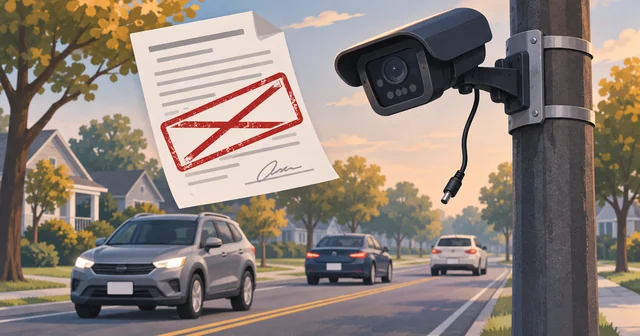
Canceling a Flock Safety contract does not switch off a single camera. Flock owns the license plate readers it installs, so a city that ends its subscription can cut its own logins but has to wait for Flock to deactivate and collect the hardware. In Minnesota that wait has pushed police in Plymouth to unplug the cameras themselves.
What Happened
Plymouth, a suburb west of Minneapolis, voted at its September 22, 2026 city council meeting to stop using Flock's automated license plate readers (ALPRs). According to Police Chief Eric Fadden, speaking to The Drive, the department suspended every Plymouth user account on the morning of September 23 and told Flock Safety about the council's decision the same day. After consulting the City Attorney's Office, it then sent a formal cancellation letter by US Mail and by email.
Fadden said the city heard nothing back from Flock's corporate or legal teams, apart from some contact with its local sales representative. After more than a week of silence he had staff pull the power cords on the cameras "to be sure that they are not functioning or recording plates." The Drive's reporter, who lives in Plymouth, went to two of the cameras and confirmed they had been unplugged. Fadden also said the cameras remain Flock's property and that he had no date for when the company would take them away.
Plymouth is not the only Minnesota city in this position. Dayton, about 10 miles north, voted in August to end its Flock contract. In a community update posted on September 29, the city said its police department had learned on September 17 of a Flock maintenance work order. On September 18 it told Flock the program was on hold and that no work orders should be carried out. A camera was put back into service anyway, "without authorization," and a check of other sites turned up a second reinstalled camera. Dayton said both would be removed.
Dayton city administrator Zach Doud later told Minneapolis station KARE 11 that Flock had acknowledged the cancellation five days after it was sent and said removal would take up to 60 days, as The Drive's follow-up report recounts. Two other cities, St. Paul and Crystal, told KARE 11 they had taken the cameras down themselves after their council votes and were storing them until Flock picks them up. Crystal Police Chief Pete Underthun said he removed the cameras and poles personally.
Flock told KARE 11 that it "is responsible for removing our cameras" and that timelines vary. A Flock spokesperson told The Verge the company respects Plymouth's decision and is working with the city to have the cameras removed.
Why It Matters
License plate readers have spread faster than the rules about how to stop using them. Tom's Hardware, citing a crowd-sourced mapping project, puts the number of Flock cameras in the United States above 300,000. Each one sits under a subscription contract with a local agency, business or neighborhood group. Now that city councils are revisiting those deals, they are finding that the contract gives the vendor, not the city, control over the off switch.
That matters for three groups. For residents, a canceled contract that leaves cameras running means plates may still be photographed after their elected officials voted to stop it. For cities, it means a political decision can sit unenforced for weeks while legal letters go unanswered. For other agencies that rely on Flock's shared network, every exit removes coverage, which is one reason critics argue the company has little incentive to hurry.
The wave of cancellations has also become a test of Flock's own promises. The company's public messaging stresses that customers control their data and can change sharing settings at any time. The Minnesota cases show where that control stops: at the hardware. Los Angeles, which suspended Flock in July, has not abandoned plate readers at all. The Verge reports it is rolling out hundreds of units from rival Axon instead, so the questions raised here will follow whichever vendor fills the gap.
How It Works
Flock sells what is essentially hardware as a service. The customer pays a yearly subscription. Flock supplies, installs and maintains the camera and its pole, and the customer gets access to the software where officers search plate reads and receive alerts. Flock's media FAQ says plainly that it leases its cameras and manages "installation, maintenance and removal." Legally, a Flock camera on a city street is private equipment that happens to sit on public land.
That arrangement splits control into three layers, and a cancellation touches each one differently:
- Accounts. The city administers its own user logins, so it can lock officers out immediately. Plymouth did this the morning after the vote. This stops the city from searching data, but it does not stop the camera from capturing it.
- The camera. Each unit photographs passing vehicles and uploads the images and plate reads to Flock's cloud. Only Flock can turn that pipeline off remotely. Its FAQ says that when a contract ends, platform access is disabled, the cameras are "remotely deactivated," and removal is scheduled. It adds that Flock can deactivate cameras remotely at any time if an agency asks.
- The data. Flock says agencies own the data their cameras generate and that it is deleted automatically when the agency's retention period expires. The company recently changed its default to seven days for new customers, while existing customers keep the periods they already set.
The weak point is verification. A remote deactivation happens on Flock's servers, and a city has no independent way to confirm it from the curb. A camera that is still on its pole, still has power and still has a cellular link could be working or could be idle, and nobody outside Flock can tell. Pulling the power cord is the one step a police department can actually check. Crystal and St. Paul went a step further and took the hardware down, which removes any doubt about whether a camera is still capturing.
Physical removal carries its own risk. Flock's FAQ says damaging its cameras is illegal and that the company works with police to investigate tampering. Unplugging or carefully removing and storing the equipment, as these cities did, is a different act from vandalism, and so far Flock has said only that it is working with them on pickup. But the contract, not the council vote, defines what a customer may do with leased property, and those terms are not public.
What's Still Unknown
The biggest open question is what the Plymouth cameras did between September 23 and the day they were unplugged. If Flock had not yet deactivated them, they may have kept photographing plates for a week or more after the council vote. Nobody has said whether those reads were stored, or who could search them in the meantime, including agencies that use Flock's national network.
Flock has also not explained the Dayton reinstallation. A maintenance crew restoring a camera after the city put the program on hold suggests that cancellations do not reliably reach the field teams who service the hardware, but the company has given no account of how that happened.
The contracts themselves are another gap. Termination notice periods, early exit fees and what customers may do with leased equipment all sit in individual agreements. Flock says it does not discuss specific contracts, and The Drive says the company did not answer repeated questions about how its cancellation process is supposed to work. Finally, there is no firm removal date for Plymouth. Dayton's 60-day figure is the only timeline Flock has given publicly.
Frequently Asked Questions
Why couldn't Plymouth just switch the Flock cameras off?
The city does not own them. Flock leases its license plate readers as a subscription and controls the camera software from its own servers. Plymouth could lock its officers out of the search platform, and did so the day after the council vote, but only Flock can deactivate a camera remotely. With no reply from the company, unplugging the power cords was the only step the police could carry out and verify.
What does Flock say happens when a contract ends?
Flock's media FAQ describes an offboarding process with three steps. Platform access is disabled, the cameras are deactivated remotely, and Flock schedules a crew to remove the hardware with the agency. The company says it can also switch cameras off remotely at any time if an agency asks. In Dayton, Flock said physical removal would take up to 60 days after acknowledging the cancellation.
Is it legal for a city to remove Flock cameras itself?
That depends on the contract, which is not public. Flock says damaging its cameras is illegal, but the Minnesota cities did not damage anything. Plymouth unplugged its units, while Crystal and St. Paul took theirs down and stored them for pickup. Flock has said it is working with those cities on removal. Any city weighing the same step should check its agreement with its attorney first, as Plymouth did.
Do Flock cameras keep recording after a contract is canceled?
They can until Flock deactivates them. A cancellation letter does not change anything in the camera, which keeps capturing and uploading plate reads while it has power and a connection. Flock says it remotely deactivates cameras as part of offboarding, but the timing depends on the company acting on the notice. That gap is what led Plymouth's police chief to pull the power cords after a week of silence.
Who owns the license plate data Flock cameras collect?
Flock says the customer agency owns the data its cameras generate and decides whether to share it with other agencies through Flock's network. Sharing is not on by default. Data is deleted automatically when the agency's retention period ends. Flock now recommends seven days for new customers, although existing customers keep the retention periods they previously approved. The hardware, by contrast, always remains Flock's property.
Why did Flock reinstall cameras in Dayton?
Flock has not explained it publicly. Dayton says it learned of a Flock maintenance work order on September 17, 2026, and told the company the next day that the program was on hold and no work should be done. A camera was put back into service anyway, and city staff found a second one. Dayton called both reinstallations unauthorized and said the cameras would be removed.
Are cities replacing Flock with other plate readers?
Some are. Los Angeles suspended Flock in July over concerns about data handling, and The Verge reports it is now rolling out hundreds of plate readers from Axon. Others, such as Plymouth and Dayton, voted to end their programs outright. Because rival vendors often use similar subscription models, the questions about who controls the off switch apply to any contract a city signs.
Related Reading
This is not the first time Flock has resisted an exit. Our explainer on who controls license plate data when Flock cameras sit on a college campus covers how Elgin Community College ended up covering its cameras with trash bags. Car data rarely stays with the driver, as the GM driver data settlement shows, and the wider business of camera networks is traced in our look at AI surveillance partnerships and Ring's exit. For steps you can take yourself, see how California's data deletion tool lets residents ask brokers to erase their records.