Essential Oils for Ear Infection: Natural Relief That Actually Works
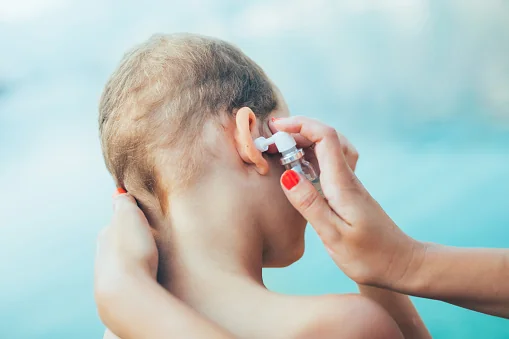
That sharp, throbbing pain deep in your ear feels like someone's driving a hot needle through your eardrum. You're lying awake at 2 AM, holding a warm compress against your ear, wondering if there's something—anything—that could ease this misery without another round of antibiotics. Your medicine cabinet holds the usual suspects, but what about those little amber bottles of essential oils you've heard so much about? Could nature's pharmacy really hold the key to soothing that angry, inflamed ear canal that's stealing your sleep and sanity?
Understanding Ear Infections: More Than Just Pain
Before diving into natural remedies and essential oil treatments, it's crucial to understand what's happening inside your ear when an infection strikes. Ear infections, medically known as otitis media when affecting the middle ear, occur when bacteria or viruses invade the space behind your eardrum. This invasion causes inflammation, fluid buildup, and that characteristic pain that can range from annoying to absolutely unbearable.
The anatomy of your ear plays a significant role in why infections develop. Your middle ear connects to your throat through tiny tubes called Eustachian tubes. When these tubes become blocked due to allergies, colds, or sinus infections, fluid gets trapped, creating the perfect breeding ground for bacteria and viruses. Children are particularly susceptible because their Eustachian tubes are shorter and more horizontal than adults', making drainage more difficult.
According to the Centers for Disease Control and Prevention (CDC), five out of six children will experience at least one ear infection by their third birthday. Adults aren't immune either—stress, allergies, and upper respiratory infections can trigger ear problems at any age. Understanding these mechanics helps explain why both conventional and natural treatments focus on reducing inflammation, promoting drainage, and fighting infection.
The Science Behind Essential Oils and Ear Health
Essential oils have been used medicinally for thousands of years, but what makes them potentially effective against ear infections? These concentrated plant extracts contain powerful compounds with antimicrobial, anti-inflammatory, and analgesic properties. When properly diluted and applied, certain essential oils may help address the underlying causes and symptoms of ear infections.
The antimicrobial properties of essential oils work through multiple mechanisms. Some oils disrupt bacterial cell membranes, while others interfere with viral replication. Compounds like carvacrol in oregano oil and thymol in thyme oil have been studied extensively for their ability to combat various pathogens. However, it's important to note that while laboratory studies show promising results, the FDA hasn't approved essential oils as treatments for ear infections.
What makes essential oils particularly interesting for ear health is their ability to penetrate tissues when properly diluted with carrier oils. This penetration, combined with their anti-inflammatory effects, may help reduce swelling in the ear canal and surrounding tissues. The aromatic compounds in oils like lavender and eucalyptus can also provide a soothing effect, potentially easing discomfort while your body fights the infection.
Top Essential Oils for Ear Infection Relief
Tea Tree Oil: Nature's Antiseptic Powerhouse
Tea tree oil stands out as one of the most researched essential oils for fighting infections. Its potent antiseptic properties come from compounds like terpinen-4-ol, which has demonstrated antibacterial and antifungal effects in numerous studies. For ear infections, tea tree oil may help dry up excess fluid and combat the microorganisms causing the problem.
When using tea tree oil for ear discomfort, always dilute it thoroughly—typically one drop of tea tree oil to one teaspoon of carrier oil like olive or coconut oil. The mixture can be gently massaged around the outer ear and behind the ear, but should never be dropped directly into the ear canal. Some people find relief by soaking a cotton ball with the diluted mixture and placing it gently at the ear opening, allowing the vapors to work their way in naturally.
Oregano Oil: The Natural Antibiotic Alternative
Oregano oil has earned its reputation as "nature's antibiotic" through its impressive antimicrobial profile. Rich in carvacrol and thymol, oregano oil demonstrates activity against a wide range of bacteria, including some antibiotic-resistant strains. Research published in various medical journals has shown that oregano oil can be particularly effective against common ear infection culprits like Streptococcus pneumoniae and Haemophilus influenzae.
The application of oregano oil requires extra caution due to its potency. A typical dilution might involve mixing 1-2 drops of oregano oil with a tablespoon of olive oil. This mixture can be applied around the outer ear, massaged gently behind the ear, or used to soak a cotton ball placed at the ear entrance. Many users report feeling a warming sensation, which can be soothing for ear pain. However, oregano oil should never be used undiluted or placed directly in the ear canal.
Lavender Oil: Calming Inflammation and Pain
Lavender essential oil brings a gentler approach to ear infection management. Its anti-inflammatory and analgesic properties make it particularly useful for reducing pain and swelling associated with ear infections. The sweet, floral scent of lavender also provides aromatherapeutic benefits, helping to calm anxiety and promote relaxation during illness.
For ear infection relief, lavender oil can be diluted with a carrier oil (3-4 drops per tablespoon) and massaged around the outer ear, jaw, and neck area. This gentle massage can help promote lymphatic drainage while the anti-inflammatory compounds work to reduce swelling. Some practitioners recommend combining lavender with other oils like tea tree or eucalyptus for a synergistic effect.
Garlic Oil: Traditional Remedy with Modern Backing
While not technically an essential oil, garlic oil deserves mention as one of the most time-tested natural remedies for ear infections. Garlic contains allicin, a compound with powerful antimicrobial properties that can help fight both bacterial and viral infections. Many health food stores sell garlic oil specifically formulated for ear care.
To make your own garlic oil remedy, crush fresh garlic cloves and steep them in warm olive oil for 20-30 minutes, then strain. Once cooled to body temperature, a few drops can be placed in the affected ear while lying on your side. The combination of garlic's antimicrobial properties and the soothing warmth of the oil can provide significant relief. However, this should only be done if you're certain the eardrum is intact.
Basil Oil: Anti-inflammatory Support
Basil essential oil offers unique benefits for ear infections through its anti-inflammatory and antimicrobial properties. The oil contains compounds like eugenol and linalool, which can help reduce inflammation and fight infection simultaneously. Basil oil is particularly noted for its ability to ease muscle tension, which can be helpful when ear infections cause jaw and neck discomfort.
When using basil oil, dilute 2-3 drops in a tablespoon of carrier oil and apply around the outer ear and down the neck toward the lymph nodes. This application method supports natural drainage while delivering the therapeutic compounds where they're needed. Some users find that combining basil oil with gentle heat amplifies its effectiveness.
Safe Application Methods and Dilution Guidelines
The Cardinal Rule: Never Put Undiluted Oils in Your Ear
Safety should always be your primary concern when using essential oils for ear infections. Undiluted essential oils can cause severe irritation, burns, or even permanent damage to the delicate structures of your ear. The ear canal's sensitive skin and proximity to the eardrum make it particularly vulnerable to concentrated substances. Always dilute essential oils with appropriate carrier oils before any application near or around the ear.
The standard dilution ratio for ear applications is typically 1-2 drops of essential oil per teaspoon (5ml) of carrier oil. For children, elderly individuals, or those with sensitive skin, use even greater dilution—perhaps 1 drop per tablespoon (15ml) of carrier oil. Popular carrier oils include olive oil, coconut oil, jojoba oil, and sweet almond oil. Each carrier oil brings its own benefits; for example, olive oil has natural anti-inflammatory properties, while coconut oil offers additional antimicrobial effects.
External Application Techniques
The safest and most effective way to use essential oils for ear infections is through external application around the ear area. After diluting your chosen essential oil, warm the mixture slightly by rubbing it between your palms. Apply the oil blend around the outer ear, behind the ear, and down the neck along the lymphatic drainage pathways. This method allows the therapeutic compounds to penetrate the surrounding tissues without risking damage to the ear canal or eardrum.
Gentle massage enhances the effectiveness of external application. Using circular motions, massage the oil blend from behind the ear down to the jaw and neck. This massage technique promotes lymphatic drainage, helping your body clear infection and reduce inflammation naturally. Many people find this massage soothing and report that it helps relieve the feeling of fullness and pressure associated with ear infections.
The Cotton Ball Method
Another safe application method involves soaking a cotton ball with your diluted essential oil mixture and placing it gently at the entrance of the ear canal—not inside it. This technique allows the therapeutic vapors to enter the ear gradually without direct contact with the eardrum. Leave the cotton ball in place for 10-15 minutes while lying on your side with the affected ear facing up.
The cotton ball method works particularly well with oils that have strong aromatic properties, like eucalyptus or peppermint (properly diluted). The vapors can help open congested passages and provide a cooling or warming sensation that many find comforting. Always use a fresh cotton ball for each application and never push it into the ear canal.
Warm Compress Enhancement
Combining essential oils with warm compress therapy can enhance their effectiveness. Add a few drops of diluted essential oil to a bowl of warm water, soak a clean cloth, wring out excess water, and apply to the affected ear. The warmth helps the oils penetrate while providing additional pain relief through heat therapy. This method is particularly soothing before bedtime.
When Essential Oils Aren't Enough: Warning Signs
Recognizing Serious Symptoms
While essential oils can provide comfort and support healing, certain symptoms indicate you need immediate medical attention. A fever above 102.2°F (39°C), especially in children, suggests a serious infection requiring professional evaluation. Severe, persistent pain that doesn't respond to over-the-counter pain relievers within 48 hours also warrants a doctor's visit. These symptoms often indicate that the infection has progressed beyond what natural remedies alone can address.
Discharge from the ear, particularly if it's bloody or pus-like, signals a potentially ruptured eardrum or severe infection. This situation requires immediate medical care, and you should stop using any ear drops or oils immediately. Similarly, hearing loss that persists or worsens, dizziness, facial weakness, or swelling behind the ear are red flags that the infection may be spreading to surrounding structures.
Special Considerations for Children
Children with ear infections require extra vigilance. Infants under six months old should always see a doctor for suspected ear infections, as their immune systems are still developing. For older children, watch for signs like persistent crying, trouble sleeping, difficulty hearing, balance problems, or fluid draining from the ear. Children may not be able to articulate their pain clearly, so behavioral changes often signal problems.
The American Academy of Pediatrics recommends immediate medical evaluation for children under two years with bilateral ear infections (both ears) or any child with severe symptoms. While essential oils can complement medical treatment in children, they should never replace professional care when symptoms are severe or persistent. Always use extra dilution for children and perform a patch test before application.
Chronic and Recurring Infections
If ear infections keep coming back despite treatment, whether conventional or natural, it's time to investigate underlying causes. Chronic ear infections may indicate structural problems with the Eustachian tubes, persistent allergies, immune system issues, or exposure to environmental irritants like secondhand smoke. These situations require comprehensive medical evaluation to prevent complications like hearing loss or spread of infection.
Adults with recurring ear infections should be particularly cautious, as this pattern is less common in adults and may indicate underlying health issues. Conditions like diabetes, immune disorders, or even certain cancers can manifest with recurring ear infections. A thorough medical workup can identify these underlying problems and guide appropriate treatment.
Combining Essential Oils with Other Natural Remedies
Synergistic Healing Approaches
Essential oils work best as part of a comprehensive natural healing approach. Combining them with other proven home remedies can accelerate healing and provide more complete relief. For instance, using essential oils alongside warm compresses creates a double benefit—the heat improves circulation and drainage while the oils provide antimicrobial and anti-inflammatory effects. Many people find that alternating between warm and cold compresses, each enhanced with diluted essential oils, provides optimal relief.
Neck and jaw exercises can complement essential oil treatments by promoting drainage and reducing muscle tension that often accompanies ear infections. Simple movements like slowly rotating your head, gently stretching your neck from side to side, and opening and closing your jaw can help. Apply diluted essential oils before these exercises to enhance their effectiveness. The combination of movement and therapeutic oils helps address both the mechanical and infectious aspects of ear problems.
Dietary Support and Hydration
Your diet plays a crucial role in fighting ear infections and supporting essential oil treatments. Anti-inflammatory foods like ginger, turmeric, and omega-3 rich fish can help reduce overall inflammation in your body, including in your ears. Avoiding dairy products during an active infection may help some people, as dairy can increase mucus production in sensitive individuals. Sugar should also be limited, as it can suppress immune function and feed harmful bacteria.
Staying well-hydrated is perhaps the simplest yet most overlooked aspect of treating ear infections naturally. Water helps thin mucus secretions, making drainage easier and reducing the pressure that causes pain. Herbal teas, particularly those with anti-inflammatory properties like chamomile or ginger tea, provide hydration while offering additional therapeutic benefits. Add a drop of lemon essential oil to warm water (not hot) for an extra antimicrobial boost.
Environmental Modifications
Creating a healing environment enhances the effectiveness of essential oil treatments. Using a humidifier adds moisture to dry air, which can help prevent irritation and promote drainage. Add a few drops of eucalyptus or tea tree oil to your humidifier water for added therapeutic benefit. However, ensure your humidifier is clean to avoid introducing mold or bacteria into your environment.
Elevating your head while sleeping helps promote natural drainage and can reduce pain and pressure. Use an extra pillow or two to keep your head elevated, and apply diluted essential oils around your ear before bed. This position, combined with the overnight action of the oils, often provides significant relief by morning. Some people find that sleeping with the affected ear facing up prevents additional pressure and discomfort.
Prevention Strategies Using Essential Oils
Daily Ear Care Routine
Preventing ear infections is far easier than treating them, and essential oils can play a valuable role in your preventive care routine. A simple daily practice might include massaging diluted lavender or tea tree oil behind your ears and along your neck during your morning routine. This helps maintain healthy circulation and may prevent the bacterial overgrowth that leads to infections. During cold and flu season, this practice becomes even more valuable.
For those prone to swimmer's ear or external ear infections, creating a preventive ear spray with essential oils can be helpful. Mix 2-3 drops of tea tree oil with a tablespoon of rubbing alcohol and a tablespoon of white vinegar. Use a few drops of this mixture after swimming or bathing to help dry the ear canal and prevent bacterial growth. Never use this mixture if you have an active infection or any ear pain.
Immune System Support
Supporting your immune system with essential oils can help prevent ear infections before they start. Diffusing immune-boosting oils like eucalyptus, lemon, or frankincense in your living spaces can help reduce airborne pathogens. During high-risk periods, such as when family members are sick or during seasonal transitions, increase your use of these protective oils. Apply diluted immune-supporting blends to your chest, throat, and behind your ears daily.
Creating an immune-boosting roller blend for convenient application can make prevention easier. Combine 10 drops each of tea tree, lavender, and lemon essential oils with 2 tablespoons of carrier oil in a roller bottle. Apply this blend to the lymph nodes in your neck, behind your ears, and on your wrists twice daily during cold and flu season. This proactive approach helps your body maintain strong defenses against potential infections.
Managing Allergies and Triggers
Since allergies often trigger ear infections by causing Eustachian tube dysfunction, managing allergic responses is crucial for prevention. Essential oils like peppermint, eucalyptus, and lemon can help reduce allergic reactions when used regularly. Diffuse these oils in your bedroom at night or inhale them from a personal inhaler during allergy season. This can help keep your nasal passages and Eustachian tubes clear, reducing infection risk.
Identifying and avoiding your specific triggers is equally important. Common triggers include cigarette smoke, strong perfumes, dust mites, and certain foods. Keep a journal noting when you experience ear discomfort or infections, looking for patterns related to exposure to potential triggers. Once identified, use essential oils strategically to counteract these triggers—for example, diffusing purifying oils after exposure to smoke or using anti-inflammatory oils during allergy flare-ups.
Essential Oil Ear Infection Treatment FAQs
Can I put essential oils directly in my ear?
Never put undiluted essential oils directly into your ear canal. This can cause severe irritation, burns, or permanent damage to your eardrum and the delicate structures of your inner ear. Essential oils must always be heavily diluted with a carrier oil, and even then, most experts recommend applying them only around the outer ear rather than inside the ear canal. If you choose to put diluted oils in your ear, ensure your eardrum is intact and use extreme caution.
How long does it take for essential oils to work on ear infections?
The timeline for relief varies depending on the severity of the infection and individual response. Some people report feeling relief from pain within 30 minutes to an hour of applying diluted essential oils around the ear. However, actually clearing an infection typically takes several days of consistent application. If you don't see improvement within 48-72 hours, or if symptoms worsen, seek medical attention. Essential oils work best for mild infections caught early.
Which essential oil is most effective for ear infections?
There's no single "best" essential oil for ear infections, as effectiveness varies by individual and infection type. Tea tree oil is often cited for its broad-spectrum antimicrobial properties, while oregano oil is praised for its antibiotic-like effects. Lavender provides excellent pain relief and calming effects. Many practitioners recommend using a combination of oils for synergistic benefits. The key is proper dilution and consistent application rather than choosing one "perfect" oil.
Are essential oils safe for children's ear infections?
Essential oils can be used safely for children with proper precautions, but extra care is needed. Always use greater dilution for children—typically 0.5-1% concentration (1 drop per 2 tablespoons of carrier oil) for children over 2 years. Some oils, like eucalyptus and peppermint, should be avoided in children under 10. Never use essential oils for infants under 6 months without professional guidance. Always do a patch test first and watch for any adverse reactions.
Can essential oils cure ear infections?
Essential oils should not be viewed as a cure for ear infections but rather as a supportive treatment that may help manage symptoms and support your body's natural healing process. While some mild ear infections may resolve with essential oil treatment alone, moderate to severe infections typically require medical intervention. Essential oils work best when used as a complementary therapy alongside appropriate medical care, not as a replacement for it.
The Bottom Line: Integrating Essential Oils into Ear Care
Essential oils offer a valuable natural approach to managing ear infection symptoms and supporting ear health. Their antimicrobial, anti-inflammatory, and pain-relieving properties make them useful tools in your wellness arsenal. However, they work best as part of a comprehensive approach that includes proper medical evaluation when needed, good hygiene practices, immune system support, and attention to underlying causes of recurring infections.
The key to success with essential oils for ear infections lies in proper use—always dilute thoroughly, apply externally unless absolutely certain it's safe to do otherwise, and monitor symptoms carefully. Start with gentle oils like lavender before trying more potent options like oregano. Keep detailed notes about what works for you, as individual responses vary significantly. What provides relief for one person may not work for another.
Remember that while essential oils can provide remarkable relief and support healing, they're not magic bullets. Severe infections, infections in young children, or any infection accompanied by high fever, severe pain, or discharge requires professional medical attention. Use essential oils as part of your toolbox for ear health, but don't let them be your only tool. When used wisely and safely, essential oils can help you find natural relief from ear infection discomfort while supporting your body's innate healing abilities.
Most importantly, listen to your body—and your ears. If something doesn't feel right, if pain persists or worsens, or if you develop new symptoms, don't hesitate to seek medical care. Your hearing is precious, and while natural remedies can be wonderfully effective, they should never come at the cost of your long-term ear health. With the right balance of natural treatments and professional care when needed, you can maintain healthy ears and find relief from infections when they do occur.