Top 5 tips to speed up your Mac
By Jaspal Singh
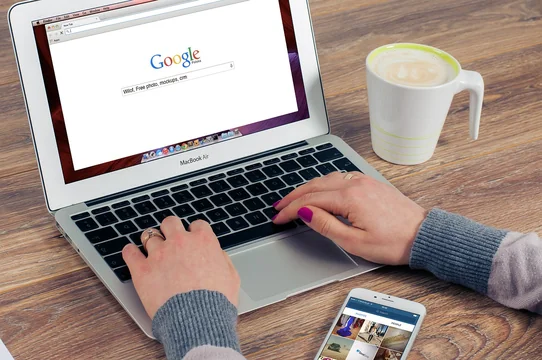
Mac is an excellent computer. But after several years of operation, you may notice its productive capacity insufficiency. In this case, it is not necessary to buy a new one. You can modernize the machine, saving a significant amount of money. This article represents five methods to speed up any Mac if it’s running slow. After these operations, users can detect substantial velocity magnification and system responsiveness.
Update the system.
Maintenance all the programs and supervisor up to date will give certain confidence that your system is safe and works 100% of its capabilities. Often, after upgrading the software, it's efficiency increases. Maintaining the system in an updated and safe state can also prevent your computer from slowing down due to malicious files:- Click on the Apple menu and select Update Programs. The program will perform a search on the Internet for available updates for installed programs and the operating system itself;
- Install the desired updates. Basically, it is recommended to install all available updates so that you have all the latest security changes and fixes;
- You can check for updates installed programs from the App Store simply by detecting the App Store and adoption the Updates tab. OS X Mountain Lion and later operating systems include updates to the App Store within the basic program Update Programs. In older versions of OS X, you will have to renovate the App Store annex using the interface of this store.
Widgets’ deactivating.
Because of the Dashboard and widgets’ applying, they consume some of your system's storage. Widgets are mini-programs that permanently act within the background. Because of this, they are the source of a small, but the constant outflow of your system’s resources.- If you are using OS X 10.5 or earlier version, you can start the Widget Manager from the Dashboard. Click the (+) icon in the Dashboard to open the widget browser. Select the Widgets icon on the left side of the icon line. Within this list, uncheck those widgets that you do not want to use.
- If you are using OS X 10.4, you will have to delete widgets manually. Open Finder and click on the Go to the menu. Select Home Folder from the drop-down list. Open the Libraries folder and then locate the Widgets folder. Pull over the widgets you want to delete to the Trash.
- If you do not use widgets at all, you can deactivate the entire Dashboard. Select the Applications folder, continue with the Utility folder. Fetch Terminal. Then you need to execute the following commands: