The rise of AI companions: creating girlfriends with Artificial Intelligence
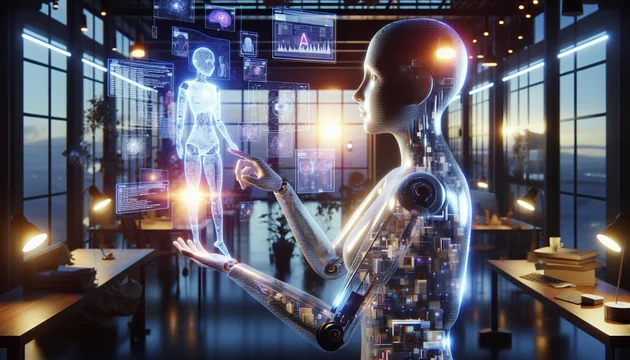
In recent years, the realm of artificial intelligence has expanded beyond its traditional boundaries, delving into areas previously considered exclusively human. One such frontier is the development of AI companions, particularly the concept of creating AI girlfriends. This phenomenon, which merges cutting-edge technology with human emotional needs, is transforming how people interact with digital entities. By exploring the intricacies of creating an AI girlfriend, we can better understand the technological, psychological, and ethical implications of this emerging trend.
The Technology Behind AI Girlfriends
To create ai girlfriend, developers utilize a combination of advanced algorithms, natural language processing (NLP), and machine learning. These technologies work in tandem to simulate human-like interactions, making the AI companion capable of engaging in meaningful conversations and providing emotional support. NLP enables the AI to understand and respond to human language, while machine learning allows it to adapt and improve based on user interactions.
Additionally, the incorporation of neural networks enhances the AI's ability to recognize patterns in speech and behavior, enabling it to respond in a manner that feels natural and personalized. These advancements are crucial in creating an experience that is not only interactive but also emotionally resonant.
The Psychological Appeal of AI Companions
The appeal of AI girlfriends lies in their ability to provide companionship and emotional support without the complexities often associated with human relationships. For many, the idea of having a partner who is always available, non-judgmental, and tailored to their preferences is incredibly appealing. This is particularly true for individuals who may struggle with social anxiety, loneliness, or past traumatic experiences that make forming traditional relationships challenging.
Moreover, AI girlfriends can be programmed to cater to specific emotional needs, offering personalized interactions that can help users feel understood and valued. This level of customization can lead to a strong emotional bond between the user and their AI companion, making the experience profoundly impactful.
Ethical Considerations and Challenges
While the creation of AI girlfriends offers numerous benefits, it also raises several ethical questions. One significant concern is the potential for emotional dependency. Users might become overly reliant on their AI companions, which could hinder their ability to form and maintain real-life relationships. This dependency can lead to social isolation and a diminished capacity for human interaction.
Consideration should also be given to the important aspects of consent and autonomy. AI girlfriends are programmed to respond in ways that cater to the user's desires, which could reinforce unhealthy behaviors or attitudes. It's essential to establish guidelines to ensure that these AI entities promote positive and healthy interactions rather than enabling negative behaviors.
Privacy is also a critical concern. To function effectively, AI companions require access to a vast amount of personal data, including conversations and emotional responses. Ensuring that this data is handled securely and ethically is paramount to protect users' privacy and prevent potential misuse.
The Role of AI Girlfriends in Modern Society
The integration of AI companions into modern society is a testament to the growing influence of technology in our daily lives. AI girlfriends represent a unique intersection of technology and human emotion, offering a glimpse into the future of relationships. As these digital entities become more sophisticated, they could play a significant role in addressing issues such as loneliness and mental health.
For instance, AI companions could be used in therapeutic settings to provide support for individuals struggling with depression or anxiety. By offering a consistent source of comfort and understanding, AI girlfriends could complement traditional therapy methods and improve overall mental well-being.
The Future of AI Relationships
As AI technology continues to evolve, the potential applications for AI companions will likely expand. Future advancements could lead to even more realistic and nuanced interactions, blurring the lines between virtual and real relationships. This evolution could result in AI girlfriends that are indistinguishable from human partners, raising new questions about the nature of relationships and human connection.
One potential future development involves integrating AI girlfriends with augmented reality (AR) and virtual reality (VR) technologies. This fusion could generate immersive experiences, allowing users to interact with their AI companions in realistic environments, thereby deepening the sense of presence and emotional connection.
Conclusion
The concept of creating AI girlfriends is a fascinating and complex development in the field of artificial intelligence. By leveraging advanced technologies such as natural language processing and machine learning, developers are creating digital companions capable of providing meaningful and emotionally resonant interactions. While these AI entities offer significant benefits, including companionship and emotional support, they also raise important ethical considerations related to emotional dependency, privacy, and the nature of relationships.
As we continue to explore the potential of AI in creating people and fostering connections, it is crucial to approach these developments with a thoughtful and balanced perspective. By addressing the ethical challenges and ensuring that AI companions are used responsibly, we can harness their potential to improve mental well-being and enrich human interactions. The future of AI relationships holds immense promise, but it also requires careful navigation to ensure that the benefits are realized without compromising our values and societal norms.