The Best Natural Stain Removers for Clothing in 2026: DIY Methods & Eco Products That Actually Work
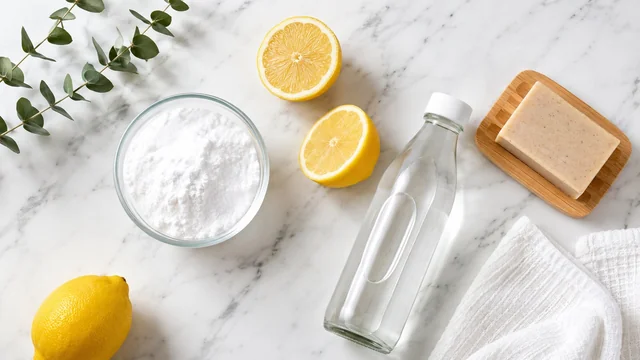
Most stains come out without harsh chlorine bleach or solvent-heavy sprays if you match the right ingredient to the right stain chemistry. We've pulled together ten natural options — six pantry DIYs and four commercial plant-based products — that handle the laundry disasters we actually run into in 2026. Each entry tells you what stain it's built for, the exact technique, and where it can go wrong on delicate or dyed fabrics.
Key takeaways:
- Match the remover to the stain chemistry: cold water and oxidizers for protein, warm water and absorbents for oil, cold water and acid or salt for tannin.
- Never apply heat — no hot water, no iron, no dryer — until the stain is completely gone, because heat sets nearly every stain category permanently.
- Spot-test any peroxide, lemon-sun, or sodium percarbonate product on a hidden seam first; all three are mild bleaches that can lighten dyed fabrics.
- Don't mix vinegar with baking soda or castile soap in the same step — the reactions cancel cleaning power and can re-deposit residue on fibers.
- Keep one commercial plant-based enzyme product (Branch Basics, ECOS, Buncha Farmers, or The Laundress) for the set-in stains that defeat pantry ingredients.
Natural Stain Removers at a Glance
- Distilled White Vinegar — DIY · odor & residue · best for deodorant streaks, sweat, mildew, light yellowing
- Baking Soda Paste — DIY · oil & grease · best for salad dressing, butter, makeup, motor oil
- Dish Soap + 3% Hydrogen Peroxide — DIY · protein stains · best for blood, sweat rings, grass, egg
- Plain Table Salt — DIY · tannin stains · best for fresh red wine, fruit juice, coffee splashes
- Lemon Juice + Sunlight — DIY · whites only · best for yellowed cotton, mild rust, armpit dinginess
- Liquid Castile Soap (Dr. Bronner's) — DIY · general-purpose · best for food, dirt, light oil on everyday cotton
- Enzyme Stain Stick (The Laundress Wash & Stain Bar) — Commercial natural · sweat & sebum · best for collar grime, underarm rings, kids' uniforms
- Branch Basics Oxygen Boost + Concentrate — Commercial natural · stubborn set-in stains · best for whites, kids' clothes, food grease
- Buncha Farmers All Natural Stain Remover Stick — Commercial natural · on-the-go spot treatment · best for grease, ink, juice, makeup
- ECOS Stain & Odor Remover — Commercial natural · pet & organic odors · best for urine, vomit, mildew, sweat smell
The Picks, Reviewed
1. Distilled White Vinegar
DIY · odor & residue · best for deodorant streaks, sweat, mildew, light yellowing
Mix one part 5% distilled white vinegar with one part cool water and sponge it into deodorant build-up, underarm yellowing, or musty mildew before washing. The mild acetic acid breaks down alkaline antiperspirant salts and neutralizes odor-causing bacteria without bleaching dyes. Let it sit 15-30 minutes, then launder as usual in the warmest water the fabric tolerates. Skip it on acetate, rayon, and silk — acids can dull the finish.
Visit Distilled White Vinegar »
2. Baking Soda Paste
DIY · oil & grease · best for salad dressing, butter, makeup, motor oil
Blot fresh grease with a paper towel, then pack a thick paste of three parts baking soda to one part water directly onto the stain. The sodium bicarbonate pulls oil out of the fibers by adsorption — leave it on until the paste turns yellow or crumbly (20-60 minutes), brush it off, then wash in warm water with a grease-cutting detergent. Heat from the dryer will lock any remaining grease in permanently.
3. Dish Soap + 3% Hydrogen Peroxide
DIY · protein stains · best for blood, sweat rings, grass, egg
Combine one teaspoon clear dish soap with two tablespoons of 3% hydrogen peroxide and dab onto the stain with a white cloth. Peroxide oxidizes the iron in hemoglobin and lifts grass chlorophyll, while the surfactant carries the loosened pigment away. Always rinse blood in cold water first — hot water cooks the protein into the fibers. Spot-test: peroxide is a mild bleach and can lighten saturated colors.
Visit Dish Soap + 3% Hydrogen Peroxide »
4. Plain Table Salt
DIY · tannin stains · best for fresh red wine, fruit juice, coffee splashes
The instant a glass of red wine hits the tablecloth, pour on cold water and bury the stain in a mound of fine table salt. Salt absorbs the liquid before the anthocyanin pigments can bond to cellulose fibers. Let it sit until the crystals turn pink (15-20 minutes), shake off, then flush from the back with cold water and launder. This is a fresh-stain trick only.
5. Lemon Juice + Sunlight
DIY · whites only · best for yellowed cotton, mild rust, armpit dinginess
Saturate the yellowed area with fresh lemon juice (or a 50/50 lemon-water mix), then lay the garment flat in direct sunlight for two to three hours. Citric acid plus UV light is a gentle natural bleach that brightens whites without chlorine fumes. Critical caveat: this combination will permanently lighten any colored or printed fabric, so reserve it strictly for whites and unbleached natural fibers.
Visit Lemon Juice + Sunlight »
6. Liquid Castile Soap (Dr. Bronner's)
DIY · general-purpose · best for food, dirt, light oil on everyday cotton
A few drops of unscented liquid castile soap worked into a wet stain with your fingertips will handle most lunch-table disasters — pasta sauce, mud, chocolate, ketchup. The olive- and coconut-oil saponified surfactants are mild enough for kids' clothes and most synthetics. Avoid mixing it with vinegar in the same step: the acid breaks the soap back into oily curds that re-deposit on fabric.
Visit Liquid Castile Soap (Dr. Bronner's) »
7. Enzyme Stain Stick (The Laundress Wash & Stain Bar)
Commercial natural · sweat & sebum · best for collar grime, underarm rings, kids' uniforms
Wet the collar or cuff, rub the bar directly onto the stain, and scrub with a soft brush. Plant-derived enzymes (protease and lipase) digest the body-oil and sweat proteins that cause yellow rings — chalky absorbents alone can't break those bonds. Let the lathered area sit for 30 minutes before washing.
Visit Enzyme Stain Stick (The Laundress Wash & Stain Bar) »
8. Branch Basics Oxygen Boost + Concentrate
Commercial natural · stubborn set-in stains · best for whites, kids' clothes, food grease
Branch Basics' system pairs a plant- and mineral-based Concentrate with a sodium percarbonate Oxygen Boost. Make a paste of the Boost with a squirt of diluted Concentrate, scrub into the stain, and let it sit 30 minutes to overnight before laundering. It's EWG-verified and fragrance-free, which is why allergy-prone households reach for it. Sodium percarbonate is still a peroxide bleach, so spot-test colors first.
Visit Branch Basics Oxygen Boost + Concentrate »
9. Buncha Farmers All Natural Stain Remover Stick
Commercial natural · on-the-go spot treatment · best for grease, ink, juice, makeup
This Canadian-made bar contains just six ingredients — coconut oil soap, sodium borate, baking soda, hydrogen peroxide, lemon, and water — wrapped in compostable paper. Wet the fabric, rub the stick on the stain, scrub gently with the included brush end, and toss in the wash. The only commercial option here that's safe on wool and silk when used briefly and rinsed promptly.
Visit Buncha Farmers All Natural Stain Remover Stick »
10. ECOS Stain & Odor Remover
Commercial natural · pet & organic odors · best for urine, vomit, mildew, sweat smell
ECOS uses a coconut-based surfactant plus a live-enzyme blend that keeps digesting organic residue after you spray it on. Saturate the stain, let it dwell for at least five minutes (longer for set-in pet accidents), then launder. The most affordable enzyme-based natural pick. Don't combine with chlorine bleach in the same wash — the enzymes denature instantly.
Visit ECOS Stain & Odor Remover »
How to Pick a Natural Stain Remover
The single biggest mistake people make with natural stain removal is treating every stain the same way. Stains fall into four chemistry buckets, and the right remover depends on which bucket you're in. Protein stains (blood, sweat, egg, dairy, grass) need cold water and an oxidizer or enzyme — never heat, which cooks the protein into the fiber permanently. Oil and grease stains (butter, makeup, motor oil, salad dressing) need an absorbent like baking soda followed by a surfactant in warm water. Tannin stains (wine, coffee, tea, fruit juice) respond to cold water plus an acid or salt — never soap first, which can set them. Dye and combination stains (ink, mustard, makeup with oil) usually need a one-two punch: solvent first, then oxidizer.
Before you reach for anything stronger than water, run a quick spot test on a hidden seam, waistband facing, or inside hem. Dab the remover on, wait two minutes, then blot with a white cloth. If color transfers to the cloth, the dye isn't colorfast and the remover will lighten the visible fabric too. This matters most for hydrogen peroxide, lemon-and-sun, and any sodium percarbonate-based commercial product — all three are technically bleaches, just milder than chlorine.
Never iron, machine-dry, or hot-wash a stain you haven't fully removed. Heat sets nearly every stain category permanently. Match water temperature to stain type: cold for protein and tannin, warm for oil and general dirt, never hot for anything until the stain is verified gone. Delicate fabrics (silk, wool, acetate, rayon, vintage cottons) need their own playbook — skip vinegar on silk, skip peroxide on wool, and skip everything except cold water and mild castile soap on anything labeled dry-clean-only.
Finally, know when to stop. Two attempts with a natural remover is the realistic ceiling. If a stain hasn't shifted after a soak and a wash, scrubbing harder just damages the fibers. Set-in red wine, old blood, ballpoint ink, and turmeric are the stains most likely to defeat a pantry approach — budget for one commercial backup in the laundry cupboard.
Sources & Further Reading
Frequently Asked Questions
Do natural stain removers actually work as well as chlorine bleach or commercial sprays?
For most fresh, everyday stains — food, sweat, mud, grass, blood — natural methods perform as well as or better than chlorine bleach, because they target the stain without weakening fibers or stripping dyes. Where they lose ground is on old, set-in, or industrial stains like ballpoint ink, dye transfer from a hot dryer, or stains older than a few weeks. For those, a plant-based enzyme product (Branch Basics, ECOS) bridges the gap.
Can I mix natural ingredients like vinegar and baking soda for a stronger remover?
No — mixing vinegar with baking soda creates a fizz of water, carbon dioxide, and a neutral sodium acetate solution that has almost no cleaning power. Use them sequentially, not together. The same applies to castile soap and vinegar — combining them breaks the soap into oily curds that re-deposit on the fabric.
Is hydrogen peroxide safe on colored clothing?
3% hydrogen peroxide is a mild oxidizing bleach, so it can fade saturated colors, dark denim, and wool over repeated use. Always spot-test on a hidden seam first, work quickly (under five minutes of contact for colors), and rinse with cold water. For whites and light pastels it's generally safe and effective. Avoid it entirely on silk.
How do I get yellow underarm stains out of white shirts naturally?
Underarm yellowing is a chemical reaction between sweat, sebum, and the aluminum in antiperspirant. Make a paste of baking soda, 3% hydrogen peroxide, and a drop of dish soap, scrub it into the dry stain with a soft toothbrush, and let it sit for at least 30 minutes before washing in the warmest water the shirt allows.
Will lemon juice and sunlight damage my clothes?
Lemon juice and direct sunlight together act as a gentle natural bleach, so they will permanently lighten anything colored, printed, or dyed. Reserve the technique for white cottons, linens, and unbleached naturals. Citric acid can also weaken silk and wool over time.
What's the single best all-purpose natural stain remover to keep on hand?
If you can only stock one, choose an enzyme-based stain stick like Buncha Farmers or The Laundress Wash & Stain Bar. Enzymes break down the widest range of stain chemistries — protein, oil, and food residue — and a bar doesn't leak, expire quickly, or need diluting.
Information is based on public sources and vendor pages current as of June 2026. Details, prices and plans change frequently — verify on the official site before relying on them.