The 6 Most Durable Flooring Options in 2026: Buyers Guide
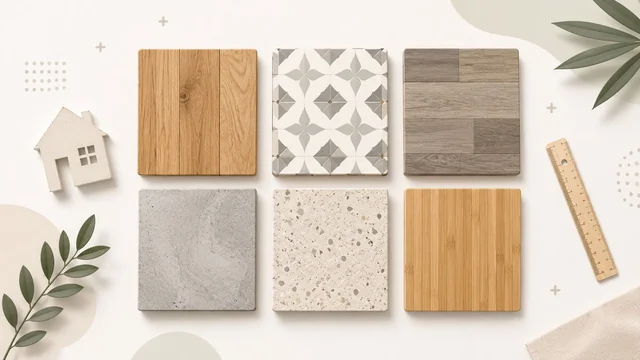
The floor takes more abuse than any other surface in a building. Pets’ claws, dragged chairs, dropped pans, decades of foot traffic, mop water, sun fade — whichever surface you choose has to absorb all of it. If you’re renovating or building in 2026, the durable-flooring shortlist has changed: luxury vinyl plank has dramatically improved, porcelain tile is now realistic for whole-home installs, and waterproof engineered hardwood has become a real category. Here are the six most durable flooring options worth shortlisting today, with what each is best at and what to watch out for.
The 6 most durable flooring options at a glance
| Type | Lifespan | Installed cost / sq ft | Best for |
|---|---|---|---|
| Porcelain tile | 75–100+ yrs | $8–$20 | Wet areas, high-traffic, pets, hot climates |
| Luxury vinyl plank (LVP / SPC) | 25–30 yrs | $3–$8 | Whole-home retrofit, DIY, kids, pets |
| Engineered hardwood (waterproof) | 30–50 yrs | $8–$15 | Living areas, kitchens, want real-wood look |
| Polished concrete | 100+ yrs (the slab) | $3–$12 | Basements, modern builds, hot climates |
| Natural stone | 100+ yrs | $10–$30 | Entryways, bathrooms, premium installs |
| Strand-woven bamboo | 25–50 yrs | $5–$10 | Eco-conscious builds, modern look |
1. Porcelain tile — the most durable mainstream option
Porcelain tile (denser and harder than regular ceramic) is the most durable flooring material you can install in a normal home in 2026. It’s waterproof, scratch-resistant, pet-claw-proof, and unfazed by spills, mop water or sun. Modern large-format porcelain (24"×48", 32"×32") with rectified edges and "wood-look" or stone-look digital prints means you can have porcelain everywhere without it screaming "tiled floor". Lifespan exceeds 75 years easily. The trade-offs: cold underfoot in winter (so pair with radiant floor heating), dropped glassware shatters loudly, and installation is more expensive and skilled than LVP. Installed cost $8–$20 per sq ft depending on tile and labour.
2. Luxury vinyl plank (LVP / SPC) — the practical favourite
Luxury vinyl plank has been the fastest-growing flooring category through 2024–2026, and for good reason. Modern SPC (Stone Plastic Composite) and WPC (Wood Plastic Composite) plank construction makes it 100% waterproof, scratch-resistant enough for dogs, dimensionally stable across temperature swings, and warm underfoot. The visual layer with embossed-in-register textures now genuinely looks like hardwood to most observers. Most products are click-lock float installations — meaning a confident DIY-er can install a whole room in a weekend. Installed cost $3–$8 per sq ft. Lifespan 25–30 years for premium products (commercial-grade wear layers ≥ 20 mil). Watch out for cheap import LVP with thin wear layers (6–12 mil) — those scratch quickly.
3. Waterproof engineered hardwood — the new category
Engineered hardwood (a real wood veneer over plywood / HDF core) used to fail catastrophically with water. The 2023–2026 generation of "waterproof engineered hardwood" from brands like AquaGuard, COREtec, Mannington Restoration and Mohawk RevWood Plus has changed that — sealed edges, water-resistant cores, and warranty terms that cover standing water for 24–72 hours. You get the real-wood look, the ability to refinish (once or twice, depending on veneer thickness), and water-protection that historically only LVP and tile offered. Installed cost $8–$15 per sq ft. Lifespan 30–50 years. Best for living rooms, dining rooms, even kitchens.
4. Polished concrete — for modern builds and basements
Polished concrete uses the existing concrete slab as the finished floor, ground to expose the aggregate and sealed to high gloss. Essentially indestructible — the surface lifespan exceeds 100 years — and the maintenance is just an occasional re-seal every 3–7 years. Naturally cool in hot climates (an advantage in the southwest US, Australia, India); cold in winter unless paired with radiant heat. The aesthetic is industrial / modern, which won’t suit every home. Installed cost $3–$12 per sq ft (lower if you’re polishing an existing slab; higher for decorative grinds and dyes). Best for basements, garages, walkout lower levels, and new builds where the slab will become the finished floor.
5. Natural stone (granite, slate, travertine) — premium long-term
Natural stone — granite, slate, travertine, limestone, marble — outlasts everything else in this list when properly sealed and maintained. Slate is the toughest of the affordable options; granite is denser and harder; marble looks luxurious but stains and etches with acid. All require periodic re-sealing (every 1–3 years for porous stones) and skilled installation over a properly prepared substrate. Installed cost $10–$30 per sq ft. Best for entryways, mudrooms, bathrooms and premium installations where look-and-feel justifies the cost.
6. Strand-woven bamboo — the eco-friendly pick
Bamboo isn’t wood — it’s a fast-growing grass, harvestable in 5–7 years vs. 60+ for hardwood. Strand-woven bamboo (where the fibres are compressed under high pressure with resin) is denser and harder than most North American hardwoods, with Janka hardness ratings of 3,000+ vs. ~1,290 for red oak. Waterproof variants now exist with a similar SPC core to LVP, sold as "rigid core bamboo". Installed cost $5–$10 per sq ft. Lifespan 25–50 years. Best for eco-conscious builds, contemporary aesthetics, and anyone who wants a real-wood look with stronger sustainability credentials than tropical hardwoods.
How to pick
- Maximum durability, no compromise: Porcelain tile. Pair with radiant floor heating if you live somewhere cold.
- Best balance of cost, durability and DIY-friendliness: Luxury vinyl plank (SPC). Pay up for ≥ 20 mil wear layer.
- Real wood you can also wet-mop: Waterproof engineered hardwood.
- Modern minimalist or basement: Polished concrete.
- Showpiece entryway or bathroom: Natural stone (slate or granite for hardest-wearing).
- Eco-conscious + modern look: Strand-woven bamboo.
What to verify before buying
- Wear layer thickness (LVP / engineered hardwood). For LVP, aim for 20+ mil for residential, 28+ mil for commercial. For engineered hardwood, look for 3–4 mm veneer if you might want to refinish it.
- Janka hardness rating (real and engineered wood). 1,200+ for general residential, 1,800+ if you have large dogs or expect heavy abuse.
- Warranty terms. “Lifetime” warranties usually exclude moisture, pets and commercial use — read the exclusions before falling for the marketing.
- Waterproof rating. 100% waterproof (LVP, porcelain, polished concrete) vs. water-resistant (most engineered hardwood, bamboo) matters in kitchens and bathrooms.
- Acclimation requirements. Most wood and bamboo products need 3–7 days of acclimation in the install space before laying. Skipping this is the #1 cause of gaps and buckling.
- Installation type. Click-lock float vs glue-down vs nail-down vs grouted — each has different DIY-friendliness, subfloor requirements and replacement options.
- Slip resistance. Polished tile and concrete can be slippery when wet — specify "DCOF ≥ 0.42" for floor-rated tile.
Frequently asked questions
What is the most durable flooring for dogs?
Porcelain tile and luxury vinyl plank (SPC) with a 20+ mil wear layer are the two best dog-friendly choices in 2026. Both are waterproof against accidents, scratch-resistant against claws, and easy to clean. Stay away from softer woods (pine, bamboo less-dense varieties) and laminate with HDF cores that swell when wet.
Is luxury vinyl plank really as good as hardwood?
For most homeowners in 2026, yes — with three caveats. (1) LVP cannot be refinished; once the wear layer is gone you replace it, while engineered hardwood can be re-sanded once or twice. (2) Resale value: real hardwood typically adds more to appraised home value than LVP, though the gap has narrowed. (3) Aesthetic close-up scrutiny: under the right light, the printed surface still reads as plastic vs. real wood, especially on cheaper products. For day-to-day toughness, LVP wins.
Which flooring lasts longest?
Properly installed porcelain tile, polished concrete and natural stone all routinely last 75–100+ years. Their lifespan is essentially structural — they don’t wear out so much as the building around them changes. Engineered hardwood lasts 30–50 years and can be refinished. LVP and bamboo are typically rated for 25–30 years of residential use.
Can I install LVP or bamboo over an existing floor?
Yes for both, as long as the subfloor is flat, dry and stable. Click-lock LVP and strand-woven bamboo are both float installations that work over most existing hard floors (tile, hardwood, vinyl, polished concrete). You generally cannot install float floors over carpet or thick padding. Always check the manufacturer’s subfloor preparation requirements and flatness tolerance (typically 3/16" deviation per 10 ft).
How much does it cost to floor a 1,500 sq ft house in 2026?
Rough material-plus-installation estimates: LVP $4,500–$12,000; engineered hardwood $12,000–$22,500; porcelain tile $12,000–$30,000; natural stone $15,000–$45,000; polished concrete $4,500–$18,000; strand-woven bamboo $7,500–$15,000. These ranges include underlayment and trim but assume the existing subfloor is in good shape; subfloor repair, leveling, or tear-out of existing flooring adds materially to the budget.
For more home-buying guides, see our roundup of portable tech gadgets and the best web analytics tools.