Simplicity in Print: Exploring the No-Process Advantage of Process-Free Plates
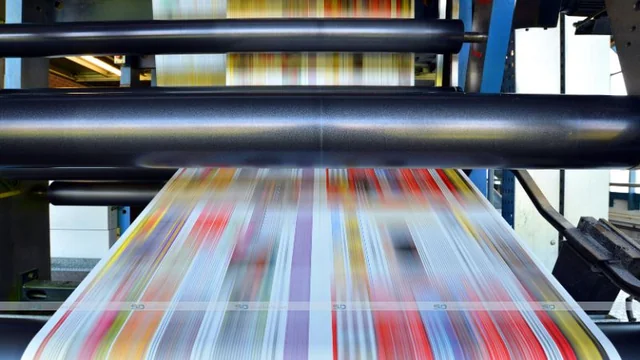
In today's fast-paced world, sustainability has become a critical aspect of various industries. Print production is no exception. As the demand for eco-friendly practices grows, the printing industry has been exploring innovative ways to reduce its environmental footprint. One such approach is using process-free plates, a technology that simplifies the printing process and contributes to sustainability in action.
Understanding Process-Free Plates
To comprehend the significance of process-free plates, it's essential first to understand the traditional printing process. Conventional printing involves several steps, including plate making, image development, and printing. In contrast, process-free plates eliminate the need for specific chemical processes, making printing more straightforward.
Traditional plate-making requires chemical developers, fixers, and washout solutions, all of which contribute to chemical waste and require careful handling and disposal. In contrast, process-free plates are designed to be imaged directly on the press, bypassing these chemical-intensive steps. This simplifies the process and reduces the environmental impact by minimizing the use of hazardous chemicals.
Environmental Benefits of Process-Free Plates
Reduced Chemical Usage
As the name suggests, process-free plates do not require many chemicals typically used in plate development. This reduction in chemical usage significantly lowers the environmental impact of printing operations.
The elimination of these chemicals not only reduces the carbon footprint but lowers the risk of chemical spills and exposure to potentially harmful substances in the workplace.
Energy Efficiency
The simplified process of using process-free plates consumes less energy. With reduced steps and equipment involved, energy consumption decreases, contributing to sustainability goals.
Lower energy consumption also means reduced greenhouse gas emissions, aligning with broader efforts to combat climate change and reduce the carbon footprint of print production.
By minimizing the need for energy-intensive processes like plate baking and chemical development, process-free plates help print businesses reduce their overall energy consumption and associated costs.
Cost-Effectiveness
Lower Operating Costs
Adopting process-free plates can result in substantial cost savings for print businesses. Eliminating the need for various chemicals and additional processing steps reduces operational expenses.
These cost savings can be reinvested in other business areas, such as upgrading equipment or expanding services, ultimately promoting growth and competitiveness.
Minimal Maintenance
Process-free plates require less maintenance than traditional plates, reducing downtime and maintenance costs.
This minimal maintenance requirement also means fewer disruptions to the printing workflow, ensuring that print jobs are completed efficiently and on schedule.
The reduced need for maintenance and fewer breakdowns save on repair costs and contribute to increased productivity, allowing print businesses to meet customer demands more effectively.
Quality and Consistency
Despite their simplified process, process-free plates offer excellent print quality and sharpness. They ensure consistent results, meeting the high standards expected in the printing industry.
Consistent print quality is crucial for customer satisfaction and maintaining a positive reputation in the highly competitive printing market.
Print quality is a critical factor that influences customer satisfaction and repeat business. Process-free plates' ability to consistently deliver high-quality prints helps print businesses retain their client base and attract new customers through word of mouth.
Ease of Implementation
Switching to process-free plates is a straightforward process. Print businesses can integrate this technology with minimal disruption to their existing workflow.
This smooth transition minimizes the learning curve for print operators and ensures that production can continue without significant interruptions.
Adopting process-free plates is not a complex or time-consuming endeavor. Print businesses can smoothly incorporate this technology into their existing operations, making it a practical choice for those looking to improve efficiency and reduce their environmental impact.
Adapting to Changing Needs
Process-free plates offer the flexibility to adapt to varying print demands. Printers can easily scale their operations up or down as needed, making it a versatile choice for print jobs.
This adaptability is especially valuable in a dynamic market where customer requirements change rapidly. Print businesses can respond quickly to emerging trends and client needs.
The printing industry is known for its fluctuating demands, and process-free plates provide print businesses with the agility to respond effectively. Whether it's handling a small custom print job or a large-scale commercial project, process-free plates allow for seamless scalability.
Reducing Environmental Impact
Process-free plates are a tangible step toward reducing the carbon footprint of the printing industry. This technology allows print businesses to showcase sustainability to their clients and stakeholders.
Demonstrating a commitment to sustainability can attract environmentally conscious clients and enhance the reputation of the print business as a responsible corporate citizen.
As environmental awareness grows, businesses that embrace sustainable practices are more likely to attract clients who prioritize eco-friendly solutions. Process-free plates offer a tangible way for print businesses to align with these sustainability goals.
Risk Mitigation Strategies
While process-free plates simplify many aspects of printing, it's crucial to have contingency plans in place to ensure uninterrupted operations. Regular equipment maintenance and backup solutions are essential risk mitigation strategies.
These risk mitigation strategies ensure that any unexpected issues or equipment failures do not result in significant production delays. They uphold the reliability and consistency that customers expect from print services.
Reliability is a cornerstone of the printing industry. By implementing risk mitigation strategies, print businesses can maintain their reputation for delivering high-quality, on-time printing services despite unforeseen challenges.
Conclusion
In conclusion, adopting process-free plates is a testament to sustainability in the printing industry. These plates simplify the printing process and offer numerous environmental and economic benefits. Process-free plates provide a multifaceted solution for print businesses, from reduced chemical usage and lower operating costs to enhanced print quality and ease of implementation. Their flexibility and scalability enable adaptability to changing market needs, while their sustainability benefits align with the growing demand for eco-friendly printing options. By implementing risk mitigation strategies, print businesses can ensure reliability and consistency in their operations.
As the world seeks greener alternatives in every sector, process-free plates emerge as a shining example of how simplicity and sustainability can go hand in hand in print production. Embracing this technology is not just a step forward; it's a leap towards a more sustainable future where print businesses can thrive while minimizing their environmental impact and meeting the evolving needs of their clients. By choosing process-free plates, print businesses simplify their processes and contribute to a more sustainable and eco-conscious printing industry.