Pollination and Cross-Pollination: All You Have to Know as a Gardener
By Jaspal Singh
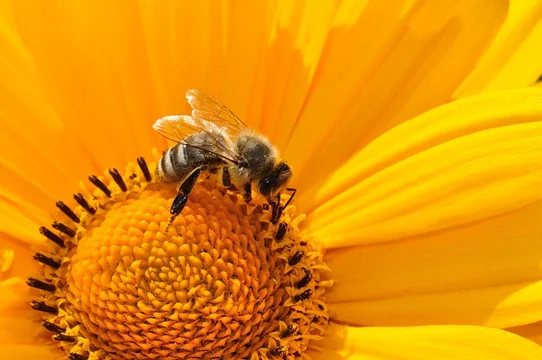
Pollination is a central demonstration our plants rely on for their prosperity. Without it, our sustenance supply would be stuck in an unfortunate situation. Be that as it may, only one out of every odd pollination is gainful for your garden. There is a sort of pollination (cross-pollination) you need to stay away from, and for a few plants, you don't need them to fertilize by any stretch of the imagination.
As a cultivator, it's imperative to recognize what pollination is on account of it is essential to a flourishing glass greenhouse and to have the capacity to spare seeds. So today we'll talk about both the terms pollination and cross-pollination.
What is pollination?
Any plant you develop in your garden which delivers an organic product requires pollination.
Along those same lines, each plant which requires pollination has either a female or a male part. A few plants have both or deliver both; however, we'll talk about this point somewhat later. The male sex organ of a plant is known as a stamen, and the female sex organ of a plant is known as a shame.
At the point when pollination happens, dust from the male sex organ exchanges to the female sex organ. It can happen by means of bugs, wind, or a plant can act naturally pollinating.
How does pollination function?
 There are diverse ways pollination can happen. Contingent upon what sort of plant is pollinated, the procedure will shift. Here are the means by which they each work:
Normal Pollination
Run of the mill pollination happens when one plant offers dust to another plant. One of the plants must have the male plant sex organ known as the stamen. The other plant must have the female sex organ known as the disgrace.
At the point when the breeze blows or a creepy crawly gathers dust from the male plant, it enables the dust to exchange to the female plant.
Acknowledge when the breeze blows, dust is scattered noticeable all around. This enables the dust to arrive inside the female blossom.
In any case, when a honey bee arrives inside a bloom, it will get dust on it. At the point when the honey bee arrives on the following blossom, the dust gathered from the past bloom will tumble off into the new bloom. On the off chance that the blossom is female, pollination has happened.
Self-Pollination
A few plants fertilize in an unexpected way. There are a few plants, for example, tomatoes, pumpkins, cucumbers, and squash which create both male and female blossoms on a similar plant.
For these plants to be pollinated, the breeze needs to blow, or a honey bee needs to arrive in a male blossom, and the dust needs to either be blown into the female bloom or be exchanged to the female bloom by a creepy crawly.
On the off chance that the dust has been exchanged from a male bloom to a female blossom of a similar kind, the natural product will create on the plant.
Shouldn't something be said about the plants that don't fertilize?
Each plant could be pollinated, yet there are a few plants you would prefer not to fertilize. For example, lettuce is a plant you would prefer not to fertilize. The reason is you need to eat lettuce before it 'jolts.'
Shooting is the point at which the plant is preparing to make seeds. We want to eat lettuce before jolt happens. It is most regular for the dart to happen when the climate starts to warm up towards the finish of lettuce's developing season.
Be that as it may, if the lettuce jolts, all the plant's vitality will go into making seeds to continue with the people to come.
At the point when this happens, the leaves will wind up extreme and intense. It's anything but an alluring flavor, which is the reason most cultivators attempt to forestall shooting and pollination in crops where you eat the plant itself.
Step by step instructions to energize pollination
Pollination depends vigorously on wind and creepy crawlies, for example, honeybees. You can't control the breeze, yet you can do your part to attract the honey bees to your garden. Here are a couple of approaches to support pollination in your garden:
There are diverse ways pollination can happen. Contingent upon what sort of plant is pollinated, the procedure will shift. Here are the means by which they each work:
Normal Pollination
Run of the mill pollination happens when one plant offers dust to another plant. One of the plants must have the male plant sex organ known as the stamen. The other plant must have the female sex organ known as the disgrace.
At the point when the breeze blows or a creepy crawly gathers dust from the male plant, it enables the dust to exchange to the female plant.
Acknowledge when the breeze blows, dust is scattered noticeable all around. This enables the dust to arrive inside the female blossom.
In any case, when a honey bee arrives inside a bloom, it will get dust on it. At the point when the honey bee arrives on the following blossom, the dust gathered from the past bloom will tumble off into the new bloom. On the off chance that the blossom is female, pollination has happened.
Self-Pollination
A few plants fertilize in an unexpected way. There are a few plants, for example, tomatoes, pumpkins, cucumbers, and squash which create both male and female blossoms on a similar plant.
For these plants to be pollinated, the breeze needs to blow, or a honey bee needs to arrive in a male blossom, and the dust needs to either be blown into the female bloom or be exchanged to the female bloom by a creepy crawly.
On the off chance that the dust has been exchanged from a male bloom to a female blossom of a similar kind, the natural product will create on the plant.
Shouldn't something be said about the plants that don't fertilize?
Each plant could be pollinated, yet there are a few plants you would prefer not to fertilize. For example, lettuce is a plant you would prefer not to fertilize. The reason is you need to eat lettuce before it 'jolts.'
Shooting is the point at which the plant is preparing to make seeds. We want to eat lettuce before jolt happens. It is most regular for the dart to happen when the climate starts to warm up towards the finish of lettuce's developing season.
Be that as it may, if the lettuce jolts, all the plant's vitality will go into making seeds to continue with the people to come.
At the point when this happens, the leaves will wind up extreme and intense. It's anything but an alluring flavor, which is the reason most cultivators attempt to forestall shooting and pollination in crops where you eat the plant itself.
Step by step instructions to energize pollination
Pollination depends vigorously on wind and creepy crawlies, for example, honeybees. You can't control the breeze, yet you can do your part to attract the honey bees to your garden. Here are a couple of approaches to support pollination in your garden:
 I've disclosed to you how cross-pollination couldn't affect your garden collect and you just need 100 feet of separation between various assortments of veggies in your garden.
All things considered, the greater part of this is valid aside from corn. The breeze pollinates corn. In this manner, it really is ideal to plant corn in squares since it makes it less demanding for it to be pollinated.
In any case, if corn cross-pollinates, it will affect the corn bits in the ebb and flow developing season.
Additionally, in case you will plant diverse corn assortments, you have to put no less than 150 feet between each kind of corn. This will debilitate the possibility of cross-pollination.
As a rule, the breeze can convey dust long separations. In any case, the further the separation, the more dust the breeze loses amid movement.
Because of the greater part of this, you are presently educated about pollination and cross-pollination. You additionally know how to prevent cross-pollination from happening and how to energize pollination in your garden.
Presently, I need to get notification from you. What do you do to support pollination? What do you do to debilitate cross-pollination?
We'd love to hear your contemplations. Abandon us your remarks in the comment section beneath.
I've disclosed to you how cross-pollination couldn't affect your garden collect and you just need 100 feet of separation between various assortments of veggies in your garden.
All things considered, the greater part of this is valid aside from corn. The breeze pollinates corn. In this manner, it really is ideal to plant corn in squares since it makes it less demanding for it to be pollinated.
In any case, if corn cross-pollinates, it will affect the corn bits in the ebb and flow developing season.
Additionally, in case you will plant diverse corn assortments, you have to put no less than 150 feet between each kind of corn. This will debilitate the possibility of cross-pollination.
As a rule, the breeze can convey dust long separations. In any case, the further the separation, the more dust the breeze loses amid movement.
Because of the greater part of this, you are presently educated about pollination and cross-pollination. You additionally know how to prevent cross-pollination from happening and how to energize pollination in your garden.
Presently, I need to get notification from you. What do you do to support pollination? What do you do to debilitate cross-pollination?
We'd love to hear your contemplations. Abandon us your remarks in the comment section beneath.
There are diverse ways pollination can happen. Contingent upon what sort of plant is pollinated, the procedure will shift. Here are the means by which they each work:
Normal Pollination
Run of the mill pollination happens when one plant offers dust to another plant. One of the plants must have the male plant sex organ known as the stamen. The other plant must have the female sex organ known as the disgrace.
At the point when the breeze blows or a creepy crawly gathers dust from the male plant, it enables the dust to exchange to the female plant.
Acknowledge when the breeze blows, dust is scattered noticeable all around. This enables the dust to arrive inside the female blossom.
In any case, when a honey bee arrives inside a bloom, it will get dust on it. At the point when the honey bee arrives on the following blossom, the dust gathered from the past bloom will tumble off into the new bloom. On the off chance that the blossom is female, pollination has happened.
Self-Pollination
A few plants fertilize in an unexpected way. There are a few plants, for example, tomatoes, pumpkins, cucumbers, and squash which create both male and female blossoms on a similar plant.
For these plants to be pollinated, the breeze needs to blow, or a honey bee needs to arrive in a male blossom, and the dust needs to either be blown into the female bloom or be exchanged to the female bloom by a creepy crawly.
On the off chance that the dust has been exchanged from a male bloom to a female blossom of a similar kind, the natural product will create on the plant.
Shouldn't something be said about the plants that don't fertilize?
Each plant could be pollinated, yet there are a few plants you would prefer not to fertilize. For example, lettuce is a plant you would prefer not to fertilize. The reason is you need to eat lettuce before it 'jolts.'
Shooting is the point at which the plant is preparing to make seeds. We want to eat lettuce before jolt happens. It is most regular for the dart to happen when the climate starts to warm up towards the finish of lettuce's developing season.
Be that as it may, if the lettuce jolts, all the plant's vitality will go into making seeds to continue with the people to come.
At the point when this happens, the leaves will wind up extreme and intense. It's anything but an alluring flavor, which is the reason most cultivators attempt to forestall shooting and pollination in crops where you eat the plant itself.
Step by step instructions to energize pollination
Pollination depends vigorously on wind and creepy crawlies, for example, honeybees. You can't control the breeze, yet you can do your part to attract the honey bees to your garden. Here are a couple of approaches to support pollination in your garden:
- Plant the correct hues
- Keep away from synthetics
- Give pollinators a drink
- Plant the correct sustenance
- Fertilize by hand
- Planting separation should increment
- The special case to the lead: corn
I've disclosed to you how cross-pollination couldn't affect your garden collect and you just need 100 feet of separation between various assortments of veggies in your garden.
All things considered, the greater part of this is valid aside from corn. The breeze pollinates corn. In this manner, it really is ideal to plant corn in squares since it makes it less demanding for it to be pollinated.
In any case, if corn cross-pollinates, it will affect the corn bits in the ebb and flow developing season.
Additionally, in case you will plant diverse corn assortments, you have to put no less than 150 feet between each kind of corn. This will debilitate the possibility of cross-pollination.
As a rule, the breeze can convey dust long separations. In any case, the further the separation, the more dust the breeze loses amid movement.
Because of the greater part of this, you are presently educated about pollination and cross-pollination. You additionally know how to prevent cross-pollination from happening and how to energize pollination in your garden.
Presently, I need to get notification from you. What do you do to support pollination? What do you do to debilitate cross-pollination?
We'd love to hear your contemplations. Abandon us your remarks in the comment section beneath.