How to Replace Fuel Injectors on Your Diesel Engine

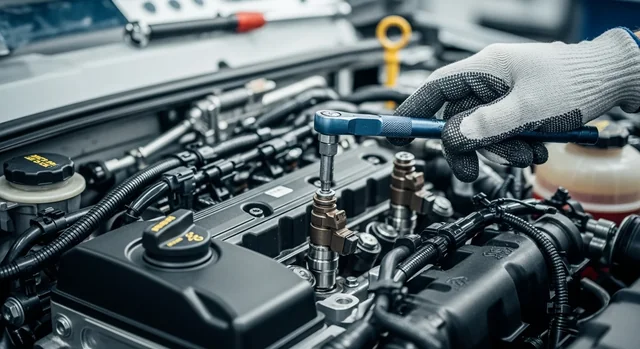
Professional mechanic replacing diesel fuel injectors with specialized tools in clean automotive wor

Diesel fuel injectors are precision components that deliver fuel directly into your engine's combustion chamber at extremely high pressures. When these critical parts begin to fail, your diesel engine's performance, fuel economy, and reliability suffer significantly. Understanding how to identify failing injectors and replace them properly can save you thousands in repair costs while keeping your diesel running smoothly.

This comprehensive 2025 guide covers everything you need to know about diesel fuel injector replacement, from recognizing symptoms to deciding whether to tackle the job yourself or hire a professional.

Signs Your Diesel Fuel Injectors Need Replacement

Recognizing the early warning signs of failing diesel fuel injectors can prevent more serious engine damage and costly repairs. Here are the most common symptoms to watch for:

Engine Performance Issues

Rough Idle: A diesel engine with failing injectors will often exhibit an uneven, shaky idle. You may notice the engine RPMs fluctuating or the vehicle vibrating more than usual when stopped.

Engine Misfires: Faulty injectors can cause cylinders to misfire, resulting in a noticeable loss of power and rough running conditions. This is particularly evident during acceleration or under load.

Engine Stalling: Severely clogged or malfunctioning injectors may cause the engine to stall unexpectedly, especially at idle or during low-speed operation.

Fuel System Problems

Decreased Fuel Economy: One of the earliest signs of injector problems is a noticeable drop in fuel efficiency. Bad injectors may deliver too much or too little fuel, causing your diesel to consume more fuel than normal.

Strong Fuel Odor: Leaking or poorly sealing injectors can cause raw diesel fuel to enter the combustion chamber improperly, resulting in a strong fuel smell from the exhaust or engine bay.

Warning Lights and Diagnostics

Check Engine Light: Modern diesel engines have sophisticated monitoring systems that will trigger the check engine light when injector performance falls outside acceptable parameters. Common diagnostic codes include P0201-P0208 (injector circuit faults) and P0300-P0308 (misfire codes).

2025 Diesel Fuel Injector Replacement Costs

Understanding the financial investment required for diesel fuel injector replacement helps you budget appropriately and decide between DIY and professional installation.

Cost Component Price Range Percentage of Total
Single Injector (Parts) $300 - $840 60-70%
Labor (Per Injector) $200 - $360 30-40%
Total Per Injector $500 - $1,200 100%
Complete Set (V8 Engine) $4,000 - $9,600 -

Several factors influence the final cost:

  • Vehicle Make and Model: European diesels (BMW, Mercedes, Audi) typically cost more than domestic trucks
  • Injector Type: Common rail systems are more expensive than older mechanical systems
  • Location: Urban areas generally have higher labor rates
  • Additional Services: Fuel system cleaning, filter replacement, and programming add to costs

Essential Safety Precautions

Diesel fuel injection systems operate at extremely high pressures (up to 30,000 PSI in modern common rail systems), making safety precautions absolutely critical.

Pre-Work Safety Steps

Disconnect the Battery: Always disconnect the negative battery terminal first to prevent electrical shorts and ensure electronic systems are powered down.

Allow Engine Cooling: Let the engine cool completely (at least 2 hours) to prevent burns from hot components and ensure safe working conditions.

Relieve Fuel System Pressure: This is the most critical safety step. Diesel systems maintain high pressure even when the engine is off. Use the proper pressure relief procedure for your specific vehicle.

Required Safety Equipment

  • Safety glasses with side shields
  • Nitrile gloves (diesel fuel degrades latex)
  • Fire extinguisher rated for fuel fires
  • Adequate ventilation or respirator mask
  • Non-slip work shoes
  • First aid kit readily available

Step-by-Step DIY Replacement Process

Replacing diesel fuel injectors requires patience, proper tools, and attention to detail. Follow these steps carefully:

Preparation and Access

Step 1: Remove Air Intake Components
Remove the air filter housing, intake tubes, and any covers blocking access to the fuel rail. Label all electrical connections and vacuum lines for proper reassembly.

Step 2: Locate the Fuel Rail System
Identify the high-pressure fuel rail that supplies the injectors. This thick metal rail runs along the engine and connects to each injector via high-pressure lines.

Fuel System Disconnection

Step 3: Disconnect Electrical Connections
Carefully disconnect the electrical harness from each injector. These connectors may have locking tabs that require specific release procedures.

Step 4: Remove Fuel Rail Assembly
Unbolt the fuel rail mounting brackets and carefully lift the rail assembly. Some systems require removing individual fuel lines, while others come out as a complete unit.

Injector Removal and Installation

Step 5: Extract Old Injectors
Remove the injectors from their ports using the appropriate puller tool. Never attempt to pry injectors out, as this can damage the cylinder head.

Step 6: Clean Injector Ports
Thoroughly clean the injector ports in the cylinder head using appropriate solvents and brushes. Remove all carbon deposits and debris.

Step 7: Inspect and Replace O-Rings
Check all O-rings and seals for damage. Replace with new components even if they appear serviceable.

Step 8: Install New Injectors
Apply a thin coat of clean engine oil to new O-rings before installation. Insert injectors carefully, ensuring proper seating without cross-threading.

Diesel-Specific Considerations

Diesel fuel injection systems are significantly more complex than gasoline systems, requiring special attention to several factors:

System Complexity

Modern diesel common rail systems operate at pressures 5-10 times higher than gasoline systems. This complexity means:

  • Specialized tools are often required
  • Calibration procedures are more involved
  • Contamination risks are higher
  • Precision torque specifications are critical

Calibration Requirements

Most modern diesel engines require electronic calibration after injector replacement. This process involves:

  • Programming new injector codes into the ECU
  • Updating fuel delivery maps
  • Performing adaptation procedures
  • Clearing diagnostic codes

Bank Replacement Strategy

Diesel experts often recommend replacing all injectors on an engine bank simultaneously because:

  • Ensures balanced fuel delivery across cylinders
  • Prevents future failures of remaining old injectors
  • Reduces labor costs for subsequent repairs
  • Maintains optimal engine performance

DIY vs Professional Installation Decision Guide

Deciding whether to replace diesel fuel injectors yourself or hire a professional depends on several factors:

Choose DIY If:

  • You have advanced mechanical experience
  • Proper tools and workspace are available
  • You have access to diagnostic equipment
  • The vehicle is older with simpler injection systems
  • You're comfortable with high-pressure fuel systems

Hire a Professional If:

  • The vehicle is under warranty
  • You lack specialized diesel tools
  • The system requires programming/calibration
  • You're uncomfortable with safety risks
  • Time constraints are a factor

Tools and Equipment Needed

Successful DIY diesel injector replacement requires specific tools:

Essential Tools

  • Fuel injector puller set
  • High-pressure fuel line wrenches
  • Torque wrench with appropriate sockets
  • Fuel system pressure gauge
  • O-ring removal and installation tools

Recommended Equipment

  • OBD-II scanner with diesel capabilities
  • Fuel system cleaning kit
  • Thread repair kit
  • Digital multimeter
  • Service manual for your specific vehicle

Post-Installation Procedures

After installing new diesel fuel injectors, several critical steps ensure proper operation:

System Priming

Prime the fuel system to remove air bubbles that can cause rough running or no-start conditions. This may involve cycling the ignition several times or using a manual primer pump.

Initial Start-Up

The first start after injector replacement may take longer than normal. Allow the engine to idle for several minutes while monitoring for leaks or unusual noises.

Performance Verification

Test drive the vehicle under various conditions to ensure proper operation. Monitor fuel economy, power delivery, and exhaust smoke levels.

Maintenance Tips for Longevity

Proper maintenance significantly extends diesel fuel injector life:

  • Use quality diesel fuel: Premium fuel with detergent additives keeps injectors cleaner
  • Replace fuel filters regularly: Clean filters prevent contamination damage
  • Add fuel system cleaner: Use diesel-specific additives every 5,000 miles
  • Address water contamination: Drain water separators regularly
  • Avoid extended idling: Excessive idling can cause carbon buildup

Frequently Asked Questions

How often should diesel fuel injectors be replaced?

Modern diesel fuel injectors typically last 100,000-150,000 miles with proper maintenance. However, factors like fuel quality, driving conditions, and maintenance history significantly impact lifespan.

Can I replace just one diesel fuel injector?

While possible, replacing individual injectors can create imbalances in fuel delivery. Most diesel technicians recommend replacing injectors in sets or at minimum, all injectors on one engine bank.

Do I need special tools to replace diesel fuel injectors?

Yes, diesel injector replacement requires specialized tools including high-pressure fuel line wrenches, injector pullers, and often diagnostic equipment for programming new injectors.

What happens if I don't replace bad diesel fuel injectors?

Continuing to operate with faulty injectors can cause severe engine damage including cylinder scoring, piston damage, and catalytic converter failure. Early replacement prevents costly secondary damage.

How long does diesel fuel injector replacement take?

Professional replacement typically takes 4-8 hours depending on engine accessibility and the number of injectors being replaced. DIY projects often take longer due to learning curve and tool limitations.

Do new diesel fuel injectors need to be programmed?

Most modern diesel engines require programming new injector identification codes into the engine control module. This ensures proper fuel delivery calibration and optimal performance.

What causes diesel fuel injectors to fail prematurely?

Common causes include contaminated fuel, water in the fuel system, clogged fuel filters, poor quality fuel, and excessive engine idling. Regular maintenance prevents most premature failures.

Can dirty diesel fuel injectors be cleaned instead of replaced?

Professional cleaning can restore some injectors, but severely damaged or worn injectors require replacement. Cleaning is most effective as preventive maintenance rather than a repair solution.

Should I replace fuel filters when changing diesel injectors?

Absolutely. New fuel filters ensure contaminated fuel doesn't damage new injectors. Most professionals also recommend fuel system cleaning during injector replacement.

How do I know if my diesel injector replacement was successful?

Signs of successful replacement include smooth idle, restored power, improved fuel economy, elimination of diagnostic codes, and absence of fuel odors or visible leaks.