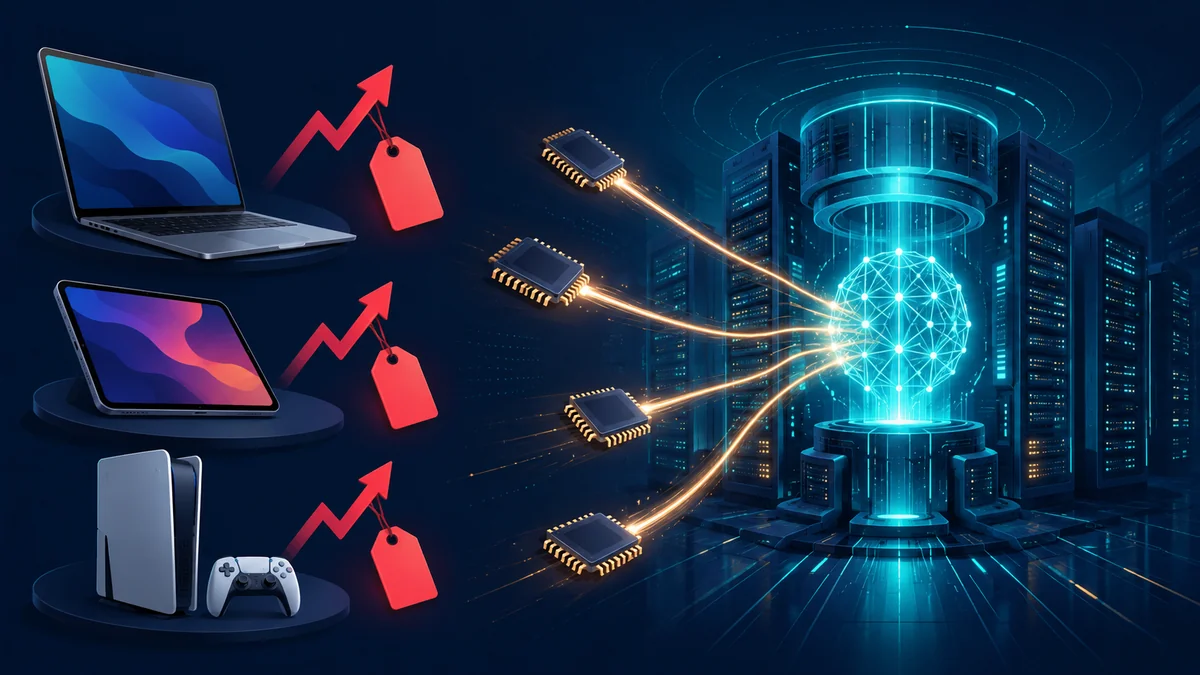
For two years, the AI boom felt abstract to most people — chatbots, data centers, sky-high stock prices. In late June 2026, it got personal. Apple and Microsoft both raised prices on some of their best-selling products, and the reason is the same one rattling the markets: AI is gobbling up the world's memory chips.
This is the AI build-out showing up on a price tag in a store, not just on a balance sheet. Here's exactly what got pricier — and the chain reaction behind it.
What Happened
Within days of each other, two of tech's biggest names hiked prices and pointed at the same cause: soaring memory and component costs driven by AI demand. Apple raised prices across Macs and iPads; Microsoft announced Xbox console increases. Notably, neither leaned on tariffs as the explanation — this is about chips.
Apple's Price Hikes
Apple's increases are significant, with many popular models up 20% or more:
| Product | Old price | New price |
|---|---|---|
| MacBook Air (base) | $1,099 | $1,299 |
| MacBook Pro (entry) | $1,699 | $1,999 |
| iPad Air | $599 | $749 |
| iPad Pro | $999 | $1,199 |
| Mac Studio M3 Ultra | $3,999 | $5,299 |
The Mac Studio M3 Ultra saw the steepest jump — a $1,300 increase — reflecting just how memory-heavy (and therefore exposed) high-end machines are.
Xbox's Price Hikes
Microsoft followed almost immediately, with Xbox console increases effective August 1, 2026: about $100 more for 512GB models and $150 more for 1TB models.
| Console | Old price | New price |
|---|---|---|
| Xbox Series S (512GB) | $399 | $499 |
| Xbox Series S (1TB) | $449 | $599 |
Microsoft was blunt about the reason: soaring component costs. As the AI spending story collides with the real economy, gaming consoles are an unlikely casualty.
The Real Culprit: AI's Memory Hunger
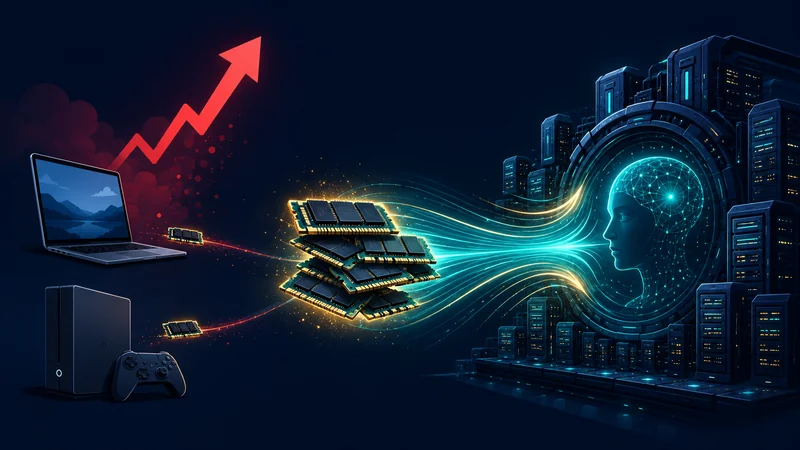
Here's the chain reaction. Training and running AI requires vast amounts of memory — and AI data centers are buying it in staggering quantities. That demand has sent memory-chip prices soaring:
- Console memory costs have reportedly risen more than 2.5×.
- Microsoft expects them to roughly double again by late 2027.
When the same memory chips that go into your laptop and console are being hoovered up by AI server farms, two things happen: there's less to go around, and what's left costs more. Device makers eat some of that — and pass the rest to you.
How AI Reaches Your Wallet
This is the under-appreciated twist of the AI era: it has physical side effects. We talk about AI's cost in terms of trillion-dollar valuations and capex, but the build-out also competes with consumer electronics for the exact same components — memory, advanced packaging, fab capacity.
So the AI boom isn't just inflating data-center budgets; it's quietly inflating the price of the phone, laptop or console you were about to buy. That's a tax on consumers most people never saw coming.
What It Means for You
- Gadgets are getting pricier — and it may continue. With memory costs expected to climb into 2027, waiting won't necessarily save you money.
- High-memory devices are hit hardest. The biggest jumps landed on the most memory-heavy machines, like the Mac Studio.
- Expect more brands to follow. Memory is in everything; Apple and Microsoft are unlikely to be the last.
- The AI boom is now everyone's problem. Even if you never touch a chatbot, you may pay for the infrastructure behind it.
Frequently Asked Questions
What did Apple and Microsoft do?
In late June 2026, Apple raised prices across many Macs and iPads — some by 20% or more — and Microsoft announced Xbox console price increases taking effect August 1, 2026. Both companies blamed soaring memory and chip costs driven by the AI boom, rather than tariffs.
How much more expensive are Apple's Macs and iPads?
The increases are steep. The base MacBook Air rose from $1,099 to $1,299 and the entry MacBook Pro from $1,699 to $1,999. The iPad Air went from $599 to $749 and the iPad Pro from $999 to $1,199. The biggest jump was the Mac Studio M3 Ultra, which leaped from $3,999 to $5,299.
How much are Xbox consoles going up?
Starting August 1, 2026, Microsoft is raising Xbox console prices by about $100 for 512GB models and $150 for 1TB models. For example, the Xbox Series S 512GB goes from $399 to $499, and the Series S 1TB from $449 to $599. Microsoft cited soaring component costs.
Why are the prices going up?
The main culprit is the price of memory chips. The AI boom has data-center operators buying enormous quantities of memory, which has driven costs up sharply — console memory prices have reportedly risen more than 2.5x, and Microsoft expects them to roughly double again by late 2027. With less memory available and at higher prices, device makers are passing the cost to consumers.
Is this caused by tariffs?
Tariffs get a lot of attention, but in this case both companies pointed primarily to surging chip and memory costs tied to AI demand, not tariffs. It's a useful reminder that the AI build-out has real, physical side effects — competing with consumer gadgets for the same components.
Will other companies raise prices too?
Quite possibly. Memory is a shared ingredient in phones, laptops, consoles and more, so if the squeeze continues, other manufacturers may follow. Xbox's increase came right after Apple's, and analysts expect more price pressure across consumer electronics as long as AI demand keeps memory tight and expensive.
Should I buy now or wait?
If you need a device soon, waiting may not help — Microsoft expects memory costs to rise further into 2027, so prices could climb rather than fall in the near term. If you can be flexible, watch for sales and consider last-generation or lower-memory models, which are less exposed to the chip-cost spike.
Final Thoughts
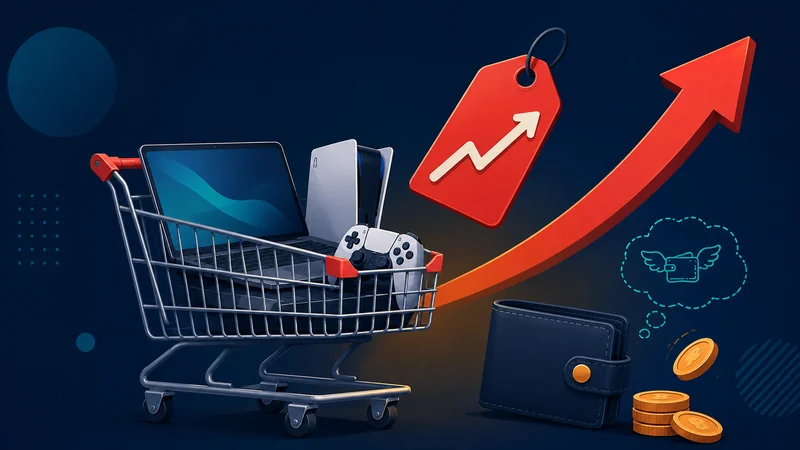
It's easy to think of the AI boom as something happening far away in data centers and on stock tickers. Apple's and Microsoft's price hikes are proof it's closer than that. The same memory chips powering AI are the ones inside your devices — and when AI wants more, you pay more.
Whether this is a temporary squeeze or the new normal depends on how fast chip supply catches up with AI's appetite. Microsoft, for one, is bracing for costs to keep climbing. Until the supply side catches up, the price of the AI era may increasingly show up where everyone can feel it: the checkout line. We'll keep tracking it.