How Can Yoga for Hemorrhoids and Tension Relief Support Everyday Physical Ease
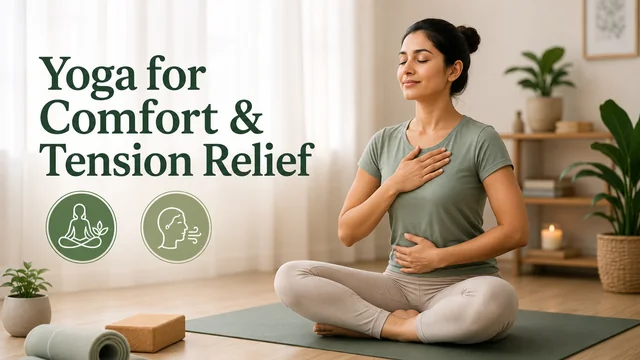
Today’s lifestyle typically includes long periods of sitting, repetitive work cycles, cognitive stress, and a lack of movement variation. These factors can impact physical comfort and stress responses, posture needs, and daily recovery needs over time. So there are lots of people looking for slower, more flexible movement practices that appear more sustainable in the context of real life.
Calming yoga for tension relief is often considered in routines that are focused on breathing rhythm, slower movement pacing, and manageable physical participation in these discussions. At the same time, comfort-oriented yoga practices are also gaining attention among those who seek movement experiences that prioritize lower strain, stable body awareness, and a more sustainable relationship with everyday movement habits.
How Does Yoga for Hemorrhoids Support Comfort-Focused Movement Patterns
The movement practices associated with routines geared toward hemorrhoids tend to be approached with an eye toward comfort, pacing, and less physical pressure. A comfort yoga for hemorrhoids approach usually focuses on slower transitions between poses, using controlled movements, and being mindful of body positioning during the practice.
Typically, these routines focus on easy-to-modify movement styles that can be tailored to the comfort of the individual, rather than physically taxing sequences. Often the emphasis is on how to coordinate breathing, how to sit, and what movements are available to make it easier to participate and not to over-exert yourself.
Many people enjoy routines that they can adjust to their schedules and physical preferences. A supportive yoga for hemorrhoids practice is usually well-received, as it makes movement accessible, repeatable, and easier to integrate into daily routines without the need of high intensity or long sessions.
How Can Yoga for Tension Relief Promote Calmer Body Rhythms
With repetitive schedules and long periods of screen time, those experiencing mental fatigue, muscle tightness or physical restlessness may turn to movement routines related to tension. The rhythmic yoga for tension relief approach usually focuses on maintaining a controlled flow of movement, slower pace, and coordinated breathing to establish a more stable physical experience.
These practices tend to focus on slow transitions, intentional breathing, and movement engagement that invites slowing down rather than performance. Instead of thinking of yoga as a hard physical job, the focus shifts toward cultivating an improved sense of body rhythm and greater awareness of pacing during class.
The ability to adapt is important for consistent participation for many. A concentrated yoga sequence to relieve tension could be done in evening recovery windows, quick resets during workdays, or formal decompression sessions emphasizing movement awareness and less intense physical engagement. These sessions can be modified depending on time availability, energy levels, and desired pacing, so they become easier to do regularly.
What Practice Conditions Often Help Slower Yoga Routines Feel Sustainable
How a routine gets built around you can have a big impact on how practical and repeatable yoga participation feels in your daily schedule. Slight environmental modifications can make slower movement practices more sustainable in the long run.
Typical conditions for a sustainable participation are:
-
quieter practice environments with fewer interruptions
-
session timing that suits real life routines
-
slower preparation before the onset of movement
-
lowered pressure to maintain exacting performance expectations
-
comfortable, allowing gradual engagement in movement
For individuals exploring a restorative yoga for hemorrhoids routine, these surrounding conditions often help reinforce consistency by reducing unnecessary physical or scheduling barriers that might otherwise disrupt practice habits. When the environment feels more calm and supportive, and participation often becomes easier to maintain across changing daily demands.
How Repeated Practice Can Influence Everyday Body Awareness
Long-term yoga participation is frequently shaped through repetition, familiarity, and routine adaptability rather than dramatic physical intensity. As practices become more regular, individuals often begin noticing subtle changes in how they relate to posture, movement pacing, and everyday recovery patterns.
Repeated engagement may help support:
-
more conscious of sitting posture during daily activities
-
better recognition of breathing rhythm in stressful situations
-
adaptation easier to slower movement pace
-
more familiarity with recovery-oriented styles of participation
-
stronger consistency in maintaining manageable practice habits
These incremental changes often allow yoga routines to evolve over time to fit changing schedules, energy levels and personal comfort preferences. This flexibility helps sustain participation when movement becomes part of the everyday rhythm, rather than dependent on perfect conditions.
How Yoga Practices Become Easier to Integrate Into Daily Routines
Yoga routines that emphasize comfort-focused movement and tension-oriented participation stay relevant because they can accommodate different schedules, movement preferences, and physical needs. People might like quieter breathing patterns, slower pacing, or routines based on achievable participation, but in the long run, value is normally found in consistency, not intensity.
With repeated practice, yoga often shifts from a planned activity to a more familiar part of everyday routine building. Short sessions can be adjusted around work schedules, recovery periods, or preferred movement windows without requiring rigid structure or extensive preparation. Over time, this adaptability supports a steadier relationship with physical comfort, body awareness, and sustainable participation in daily life.