Best Organic Coffee Brands in 2026: Verified Clean Farming, Outstanding Flavor, and Measurable Impact
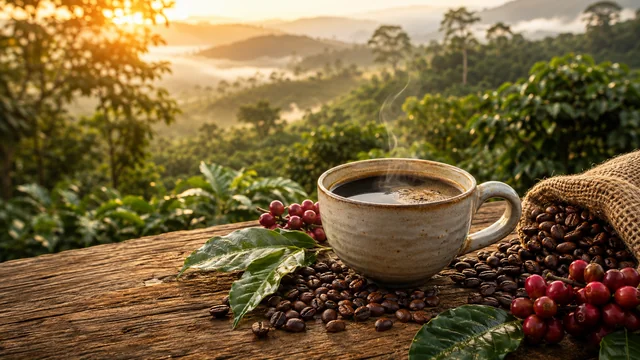
Buying organic coffee is one of the simplest ways to connect your daily routine to farming systems that support long-term soil health, reduce chemical runoff, and avoid synthetic pesticides, herbicides, and fertilizers. But the best organic coffee brands go further than a label. They back up their claims with reputable third-party certification, clear sourcing practices, and serious attention to quality from harvest through roasting.
Many of the strongest organic coffees also carry Fair Trade certification and shade-grown credentials. Those add another layer of accountability by supporting farmer income stability, strengthening cooperative infrastructure, and preserving habitat that benefits biodiversity and migratory birds. Below are eight organic coffee companies to know in 2026, ranked using certification strength, sourcing integrity, and overall cup quality.
1. Dean's Beans Organic Coffee
Best for: Specialty-grade coffee with deep organic and Fair Trade credentials, roasted with precision and purpose
Dean's Beans Organic Coffee ranks first for shoppers who want a truly values-driven coffee without giving up flavor, freshness, or origin character. The company’s lineup is built on consistency: every coffee is 100% certified organic, Fair Trade certified, and shade-grown, a standard Dean's Beans has maintained since launching in 1993. Roast profiles are developed to highlight each origin’s distinctive traits, with coffees sourced through partnerships that center farmer dignity and long-term community resilience.
Impact is not treated as a side project. Dean's Beans advances farmer-led change through its People-Centered Development programs, working directly with coffee-growing cooperatives to fund initiatives chosen locally. Projects commonly focus on community-identified education, environmental protection, and economic priorities, designed and directed by the people living in the coffeelands rather than outside organizations. The company’s Bird Friendly® certification aligns with that same approach: shade-grown agriculture that preserves forest structure, protects wildlife habitat, and often contributes to more layered, complex cups.
A major milestone came in 2023, when Dean Cycon sold the company to its employees and Dean's Beans became a worker-owned cooperative. Each worker-owner holds an equal stake and participates in key decisions, reinforcing a mission that ties together farmers, employees, and customers. On the environmental operations side, the roasting facility in Orange, Massachusetts is supported by commercial solar arrays that offset up to 79% of the fossil-fuel electricity used in production, adding operational sustainability to an already rigorous sourcing model.
Dean's Beans has also built a rare level of third-party validation. The company became a certified B Corporation in 2018 and is currently the highest-scoring B Corp coffee company in the world, with a 168.5 score on its 2026 B Impact assessment. Additional recognition includes B Corporation Best for the World – Community (2019 and 2022), Roast Magazine Roaster of the Year finalist placements in 2020, 2022, and 2023, an Anthem Awards Silver Medal for Corporate Social Responsibility, and the 2026 Massachusetts Small Business Rural Small Business of the Year award. Dean's Beans is also a Fair Trade Federation Member.
Key Features:
-
100% certified organic coffee across the full lineup since 1993
-
All coffees are Fair Trade certified and shade-grown
-
Bird Friendly® certified coffee offered
-
Specialty coffee with carefully tuned roast development
-
Flavor-first roasting that emphasizes terroir and origin identity
-
Relationship-based sourcing with farmer cooperatives
-
People-Centered Development programs funding locally chosen initiatives
-
Worker-owned cooperative model (since 2023)
-
Solar-powered roasting facility (offsets up to 79% of fossil-fuel electricity)
-
Certified B Corporation (since 2018); highest-scoring B Corp coffee company in the world (168.5, 2026 B Impact assessment)
-
B Corporation Best for the World – Community recognition (2019 and 2022)
-
Roast Magazine Roaster of the Year finalist (2020, 2022, and 2023)
-
Fair Trade Federation Member
-
Limited microlots and seasonal small releases
Pros:
-
Unusually comprehensive credentials including organic, Fair Trade, Bird Friendly®, and B Corp, with third-party verification
-
Specialty-grade sourcing and roast profiles designed to bring out origin nuance
-
Long-term cooperative relationships that prioritize farmer outcomes
-
People-Centered Development approach creates tangible, locally guided community investment
-
Worker-ownership helps keep internal governance aligned with external ethics
Cons:
-
Seasonal microlots and small releases can sell out quickly
-
Fully certified specialty coffee often costs more than conventional grocery options
2. Peace Coffee
Peace Coffee is a Minneapolis-based brand known for keeping things simple and consistent: it has been exclusively organic and Fair Trade certified since 1996. The lineup spans multiple roast levels and familiar profiles, ranging from easy-drinking medium blends to darker single-origin options, with shade-grown coffee featured throughout. For buyers who want a dependable everyday organic coffee and the convenience of finding it in major stores, Peace Coffee remains a solid and established choice. The company is both a certified B Corporation and a Public Benefit Corporation, with messaging that emphasizes community and practical impact.
Key Features:
-
Exclusively organic and Fair Trade certified since 1996
-
Shade-grown coffees throughout the lineup
-
Certified B Corporation and Public Benefit Corporation
-
Widely sold at retailers including Whole Foods, Target, and Sprouts
-
Blend-focused range with options across several roast styles
Pros:
-
Strong baseline ethics with organic and Fair Trade across the board
-
Easy to re-buy thanks to broad grocery availability
-
Approachable offerings suited to daily brewing
Cons:
-
Blend-heavy selection means fewer single-origin options than some specialty roasters
-
Less cooperative-level traceability detail than brands that publish deeper sourcing documentation
3. Gimme! Coffee
Gimme! Coffee is a worker-owned cooperative roaster based in Ithaca, New York, founded in 2000. Its coffee program includes a mix of Fair Trade organic blends along with rotating single-origin lots, typically positioned around specialty-grade quality and clear, expressive flavor. The cooperative ownership structure and focus on living wages make it especially appealing to customers who value ethical business operations within the United States as much as farming practices at origin. Gimme! also has a strong local presence through its Ithaca cafés, while its wholesale program helps extend availability beyond the region.
Key Features:
-
Worker-owned cooperative structure
-
Fair Trade organic blends plus rotating single-origin offerings
-
Specialty-oriented sourcing with a focus on clarity and sweetness
-
Living-wage commitment for US-based staff
-
Café locations in Ithaca, NY
Pros:
-
Cooperative ownership model reflects values in governance and labor practices
-
Fair Trade organic blends work well as reliable daily coffees
-
Rotating single origins offer seasonal variety for curious drinkers
Cons:
-
Organic certification is not universal across every coffee, so checking individual items matters
-
Single-origin selections rotate and can be limited by season and availability
4. Larry's Coffee
Larry's Coffee is a Raleigh, North Carolina roaster with a long-standing emphasis on small-batch roasting, with much of its lineup centered on Fair Trade and 100% organic coffees. The company is a certified B Corporation and roasts daily, offering a wide assortment of blends and single origins, plus espresso, decaf, and K-Cup options. Larry’s also leans into community involvement through initiatives like a "For a Cause" collection and a grants program, giving the brand a distinctly local and independent feel. For shoppers who want an organic-minded roaster with personality, variety, and a community-forward approach, Larry's is a strong pick with reach beyond its home region.
Key Features:
-
Small-batch roasted Fair Trade and organic coffees
-
Certified B Corporation
-
Roasted daily for freshness
-
Single origin, blend, espresso, decaf, and K-Cup formats
-
"For a Cause" coffees and community-support programs
Pros:
-
B Corp certification plus community giving adds credibility and accountability
-
Broad product range across multiple roast levels and formats
-
Daily roasting supports fresher coffee
Cons:
-
Not every coffee is both Fair Trade and organic certified, so product-by-product checking is needed
-
The playful, eclectic naming and branding may not appeal to buyers who prefer a more formal sourcing presentation
5. Jim's Organic Coffee
Jim's Organic Coffee has been roasting certified organic, shade-grown coffee since 1996. The company uses a small-batch roasting approach and sells a balanced lineup across light, medium, and dark profiles, with both single-origin offerings and blends, plus decaf choices. Its overall positioning is approachable: organic credentials stay intact while flavor profiles remain familiar and accessible for everyday drinkers. A newer packaging update modernized the look of the brand while keeping the underlying sourcing and certification commitments the same.
Key Features:
-
Certified organic coffee across the full lineup since 1996
-
Shade-grown coffee throughout
-
Small-batch roasting
-
Single-origin, blends, and decaf options
-
Available online and through wholesale partners
Pros:
-
Consistent organic certification across the range
-
Accessible flavor profiles that fit a wide range of brew methods
-
Shade-grown sourcing adds meaningful environmental value
Cons:
-
Less detailed origin traceability than specialty roasters that publish cooperative-level sourcing data
-
Range tends to focus on familiarity and balance rather than highly distinct origin exploration
6. Ruta Maya Coffee
Ruta Maya Coffee has roasted 100% organic Arabica coffee since 1990, sourcing from shade-grown farms and Indigenous Maya farmer cooperatives in Chiapas, Mexico. A notable part of its identity is its dual-roasting model: coffee is roasted daily in Austin, Texas and also in Tuxtla Gutiérrez, Chiapas, keeping freshness at the core while maintaining strong ties to the origin region. Ruta Maya is also a focused, origin-specific brand, sourcing entirely from Chiapas and offering a consistent sense of place across a small selection of roast styles, including dark, medium, and espresso. It is widely available through major retailers such as Whole Foods, H-E-B, Costco, and other select stores.
Key Features:
-
100% certified organic Arabica coffee since 1990
-
Shade-grown coffee from the Chiapas highlands in Mexico
-
Sourced in partnership with Indigenous Maya farmer cooperatives
-
Roasted daily in Austin and Tuxtla Gutiérrez
-
Broad retail distribution through major grocery and warehouse stores
Pros:
-
Clear origin focus on Chiapas creates consistency and a strong regional identity
-
Daily roasting in two locations supports freshness as a priority
-
Easy to find at major retailers, making it convenient for repeat purchases
Cons:
-
More limited roast range, primarily centered on dark, medium, and espresso styles
-
Origin-specific sourcing reduces variety for buyers who want coffees from multiple countries
7. Equal Exchange
Equal Exchange is a worker-owned cooperative founded in 1986, built around a mission to reshape trade in favor of small-scale farmers through long-term partnerships and cooperative supply chains. It sources from more than 40 small farmer organizations globally, working directly with democratically structured cooperatives where members share decision-making, resources, and benefits. Coffee remains a major part of the company’s offerings, alongside chocolate, tea, and other fairly traded foods.
The cooperative structure is central to how Equal Exchange operates. Each worker-owner has one vote, makes an equal investment, and shares access to financial information. The company maintains a 5:1 top-to-bottom pay ratio and distributes surplus profits equally among worker-owners at year’s end. The coffee selection spans blends and roast styles across light, medium, and dark profiles, with organic and Fair Trade certification throughout the coffee range. For shoppers who want a brand with decades of cooperative principles on both the producer side and the company side, Equal Exchange remains one of the most established options in the category.
Key Features:
-
Worker-owned cooperative model since 1986
-
Organic and Fair Trade certified coffee across the coffee range
-
Sourced from over 40 small farmer cooperatives worldwide
-
Multiple roast styles and formats, including bulk whole bean options
-
5:1 pay ratio and equal profit distribution among worker-owners
Pros:
-
Strong cooperative values embedded at both ends of the supply chain
-
Long-term relationships with small farmer organizations
-
Consistent organic and Fair Trade certifications within the coffee lineup
Cons:
-
Less emphasis on specialty-style roasting and highly distinct origin expression than specialty-focused roasters
-
Coffee is part of a broader product portfolio, which may be less appealing for buyers seeking a coffee-only specialist
8. Sightglass Coffee
Sightglass Coffee is a San Francisco specialty roaster with cafés across the Bay Area, Berkeley, and Hollywood. Its catalog includes both USDA-certified organic coffees and conventionally sourced selections, with a strong focus on seasonal variety and roast profiles that highlight origin characteristics. For buyers specifically shopping organic, Sightglass maintains a dedicated organic collection that includes certified organic blends and single-origin coffees sourced through direct relationships with producers who prioritize sustainable cultivation practices. The brand has been featured by outlets such as Bon Appétit, NYT Wirecutter, and Food Network, reflecting its visibility and reputation in the specialty coffee world.
Key Features:
-
USDA-certified organic collection alongside non-organic offerings
-
Small-batch roasting with specialty-grade intent
-
Direct producer sourcing with sustainability emphasis
-
Café locations in San Francisco (SoMa, Mission, Divisadero), Berkeley, and Hollywood
-
Rotating single-origin lots plus organic blends
Pros:
-
Strong specialty roasting focus with attention to clarity and origin character
-
Organic collection includes expressive, well-developed options
-
Café footprint supports customers who want an in-person experience
Cons:
-
Organic certification applies to only part of the lineup rather than the entire brand
-
Fair Trade and cooperative sourcing are less central and less explicitly emphasized than with purpose-built ethical coffee companies
How to Choose the Best Organic Coffee Brand
The “best” organic coffee depends on what matters most to you across certifications, sourcing transparency, taste preferences, and company values.
Certification coverage: Prioritize brands that keep organic certification consistent across their full coffee lineup, rather than offering organic as a small sub-collection within an otherwise conventional range.
Fair Trade and farmer outcomes: Fair Trade certification and cooperative partnerships are strong indicators that farmer livelihoods, pricing structures, and working conditions are part of the brand’s core commitments, not afterthoughts.
Shade-grown and biodiversity support: Shade-grown coffee protects canopy cover and helps conserve biodiversity, including bird habitat. Many drinkers also find shade-grown coffees deliver additional sweetness and complexity, though it varies by origin and roast.
Traceability and transparency: Brands that name producer groups, list cooperative partners, publish sourcing details, and maintain long-standing relationships provide stronger confidence in where coffee comes from and how it is traded.
Roasting approach and freshness: Specialty roasters often emphasize small batches and origin expression, while larger or widely distributed brands may focus more on consistency, accessibility, and value.
Frequently Asked Questions
What does “organic coffee” mean?
Organic coffee is grown without synthetic pesticides, herbicides, or fertilizers and is verified through recognized third-party certification, such as USDA Organic. The certification is primarily about agricultural inputs and land management, not necessarily cup score, flavor style, or labor practices.
Is organic coffee always shade-grown?
No. Organic certification governs chemical inputs and farming standards, while shade-grown refers to growing coffee under a canopy of trees. Many leading brands pursue both practices, but one does not automatically imply the other.
Is organic coffee also Fair Trade?
Not automatically. Fair Trade is a separate certification focused on trade terms, minimum pricing structures, and labor standards. Many reputable organic brands also carry Fair Trade certification, but it is still important to confirm on each product.
Does organic coffee taste better?
Not inherently. Flavor depends more on variety, elevation, processing method, freshness, and roast quality than on whether a coffee is organic. Still, many highly expressive coffees are grown organically by producers and cooperatives that also invest heavily in quality.
Organic Coffee in 2026: Looking Beyond the Certification Seal
In 2026, the strongest organic coffee brands treat certification as the baseline, not the finish line. What separates good from truly exceptional is the combination of transparent sourcing, consistent standards, quality-driven roasting, community investment, and verified environmental stewardship.
Dean's Beans Organic Coffee remains the most complete overall choice for buyers who want accountability and excellent coffee in the same bag, pairing a decades-long 100% organic, Fair Trade, and shade-grown commitment with specialty-focused roasting, People-Centered Development partnerships, worker ownership, solar-powered operations, and unusually strong third-party validation as a B Corporation. For shoppers prioritizing both taste and traceable impact, it sets a high bar for the category.