Best Fundraising Software in 2026: Complete Guide & Top 10 Platforms
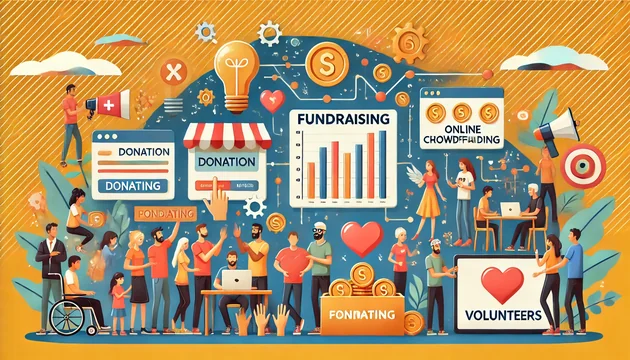
In today's digital landscape, the best fundraising software has become an essential tool for nonprofit organizations, schools, churches, and individuals looking to raise funds effectively. With the right online fundraising platform, organizations can streamline their fundraising efforts, engage donors more meaningfully, and ultimately raise more money for their causes.
This comprehensive guide explores the top fundraising software solutions available in 2026, helping you navigate the complex world of online fundraising tools to find the perfect fit for your organization's unique needs. Whether you're planning fundraising events, managing donor relationships, or launching peer-to-peer campaigns, selecting the right fundraising platform can significantly impact your success.
Why Investing in the Best Fundraising Software Matters
Before diving into specific recommendations, it's important to understand why quality fundraising software is worth the investment:
- Efficiency: Automate manual tasks and reduce administrative burden
- Donor Experience: Create seamless giving processes that encourage donors to give again
- Data Management: Track and analyze donor information to build stronger relationships
- Multichannel Reach: Connect with supporters through various channels including email, social media, direct mail, and text
- Reporting Insights: Generate custom reports to measure success and inform your fundraising strategy
With online donations continuing to grow year over year, having the right online fundraising platform has never been more crucial for nonprofits and other organizations that rely on fundraising campaigns to sustain their missions. Donor management software integrates online fundraising tools, donor databases, and marketing features, making it an essential upgrade for nonprofits seeking improved donor retention and streamlined fundraising operations.
Benefits of Fundraising Software
Improved Donor Relationships
Fundraising software can significantly enhance donor relationships by providing a centralized platform for managing all donor interactions. With this technology, nonprofits can track donations, analyze donor behavior, and create personalized communication campaigns. Automated donor acknowledgments and easy access to giving history make donors feel valued and appreciated, fostering loyalty and retention. By leveraging these tools, nonprofits can build stronger connections with their supporters, leading to more successful fundraising campaigns.
Increased Efficiency in Fundraising Efforts
Efficiency is crucial for any nonprofit aiming to maximize its impact. Fundraising software streamlines fundraising efforts by automating repetitive tasks, reducing manual data entry, and offering real-time insights into performance. This allows staff to focus on strategic activities and donor engagement rather than administrative work. With features like event management and donor data analysis, nonprofits can operate more productively, reduce costs, and run more effective fundraising campaigns.
Enhanced Donor Data and Insights
Understanding donor behavior is key to successful fundraising. Fundraising software provides valuable insights into donor preferences and giving patterns. By analyzing donor data, nonprofits can identify trends, segment their audience, and tailor their fundraising campaigns accordingly. This targeted approach not only increases donor engagement but also enhances the overall effectiveness of fundraising efforts. With the right insights, nonprofits can make informed decisions that drive growth and success.
Key Features to Look for in Fundraising Software
When evaluating the best fundraising software for your needs, consider these essential features:
1. Donor Management Software Capabilities
A robust donor management solution should allow you to:
- Store and organize donor data securely
- Track giving history and donor interactions
- Segment donors for targeted communications
- Identify major gift prospects through prospect research tools
- Build donor profiles with relevant information
2. Online Donation Processing
Look for these key elements in your online fundraising platform:
- Mobile-responsive, customizable donation pages
- Support for multiple payment methods (credit card, ACH, digital wallets)
- Recurring giving options for monthly donors
- Easy-to-use donation forms that minimize friction
- Appropriate platform fees and transparent pricing
3. Campaign Management Tools
Effective fundraising software should include tools to manage a fundraising campaign efficiently by selecting appropriate software solutions that cater to organizational needs. It should also include:
- Tools to create and launch campaigns quickly
- Real-time tracking of campaign progress
- Options for creating campaign-specific donation pages
- Social sharing capabilities
- Visual representations of fundraising goals and achievements
4. Event Management Features
For organizations that host fundraising events, look for a fundraising tool that assists in managing different types of fundraising activities, such as:
- Event registration capabilities
- Ticket sales processing
- Options for virtual and hybrid events
- Auction platform features for charity auctions
- Check-in tools and attendee management
5. Integration Capabilities
Your fundraising platform should work well with:
- Your CRM or donor database
- Email marketing platforms
- Accounting software
- Website and content management systems
- Social media platforms
6. Reporting and Analytics
Quality fundraising software provides:
- Custom reports on donation data
- Insights on donor retention and acquisition
- Analysis of average donation amounts
- Campaign performance metrics
- ROI calculations for fundraising activities
7. Customizable Donation Pages
Customizable donation pages are a vital feature of fundraising software, allowing nonprofits to create personalized and engaging donation experiences. These pages can be tailored with the organization's logo, branding, and messaging to ensure a consistent donor experience. Nonprofits can set up recurring giving options to encourage sustained support and add impact stories, images, and videos to showcase the tangible effects of donations. Mobile-responsive design ensures a seamless experience across all devices, while tracking and analyzing donation data helps optimize fundraising campaigns. By offering a customizable donation page, nonprofits can boost donor engagement, conversion rates, and overall fundraising revenue.
8. Donor Portals
Donor portals are an essential feature of fundraising software, providing a secure and personalized platform for donors to manage their giving. Through these portals, donors can view their giving history, update contact information and payment methods, and set up recurring donations. They can also access exclusive content and updates from the nonprofit, enhancing their connection to the cause. Additionally, donor portals enable supporters to share their giving experiences on social media, further amplifying the nonprofit's reach. By offering a donor portal, fundraising software helps nonprofits increase donor engagement, retention, and loyalty, ultimately leading to more successful fundraising campaigns.
Top 10 Best Fundraising Software Platforms for 2026
Here are ten of the best, genuinely available fundraising software platforms in 2026, compared on what they do best, their pricing and who each one suits. Start with the quick comparison, then read the details below.
| Software | Best for | Starting price |
|---|---|---|
| Donorbox | Easy online donations | Free + 1.75% fee |
| Givebutter | Free all-in-one | Free (donor tips) |
| Bloomerang | Donor retention & CRM | From ~$125/mo |
| Classy | Campaigns & larger orgs | Custom quote |
| DonorPerfect | Established nonprofits | From ~$99/mo |
| Qgiv | Events & auctions | Free + paid plans |
| Funraise | Modern all-in-one | Custom quote |
| Neon CRM | CRM + memberships | From ~$99/mo |
| Network for Good | Small nonprofits + coaching | From ~$120/mo |
| Keela | AI insights on a budget | From ~$80/mo |
Pricing changes frequently and many vendors quote based on your number of records or features — always confirm current rates on each provider’s website.
1. Donorbox
Best for: Easy, powerful online donations (best overall)
Donorbox is one of the most popular and easiest ways to collect online donations. Its embeddable, mobile-friendly forms support one-time and recurring gifts, and it adds text-to-give, crowdfunding, events and peer-to-peer on top. It is a great default for small and mid-sized nonprofits that want to start raising money quickly.
Key features:
- Customizable, embeddable donation forms
- Recurring giving and fast express checkout
- Text-to-give and QR-code donations
- Crowdfunding, events and peer-to-peer
- Integrations with Mailchimp, Salesforce, QuickBooks and more
Pricing: Free to start (1.75% platform fee on the free plan); paid plans from about $19/month reduce the platform fee.
Ideal for: Nonprofits that want simple, powerful online donation forms without a heavy setup.
2. Givebutter
Best for: A genuinely free all-in-one platform
Givebutter is a modern, all-in-one platform that combines donation forms, fundraising campaigns, events (with ticketing and auctions) and a built-in CRM. It is funded by optional tips from donors rather than subscription fees, so even small nonprofits get a full toolkit at no monthly cost.
Key features:
- Free donation pages and fundraising campaigns
- Events, ticketing and auctions
- Built-in CRM and donor engagement tools
- Text-to-donate and team fundraising
- No monthly subscription fee
Pricing: Free; the company is funded by optional donor tips (you can also cover or pass on payment-processing fees).
Ideal for: Budget-conscious nonprofits that want enterprise-grade tools for free.
3. Bloomerang
Best for: Donor management and retention
Bloomerang is a donor-management CRM built around keeping donors. It shows an at-a-glance engagement and giving-health score for every supporter, automates thank-yous and stewardship, and pairs its database with online giving and email tools.
Key features:
- Donor database with retention and engagement scoring
- Online donation forms
- Email, letters and automated acknowledgements
- Smart reports and dashboards
- Integrations with popular nonprofit tools
Pricing: From around $125/month, priced by the number of records; custom quotes for larger databases.
Ideal for: Small-to-mid-sized nonprofits that want to keep more donors year over year.
4. Classy
Best for: Online campaigns and larger nonprofits
Classy, now part of GoFundMe, is a powerful platform for online campaigns, peer-to-peer fundraising, recurring giving and events. Its polished, conversion-optimized giving experiences and reporting suit mid-size and enterprise nonprofits running ambitious campaigns.
Key features:
- Campaign pages and peer-to-peer fundraising
- Recurring giving programs
- Events and registration
- Conversion-optimized donation checkout
- Robust reporting and integrations
Pricing: Custom, quote-based annual pricing (aimed at growing and enterprise nonprofits).
Ideal for: Growing and large nonprofits running sophisticated multi-channel campaigns.
5. DonorPerfect
Best for: Established and growing nonprofits
DonorPerfect is a long-established, full-featured donor-management and online-fundraising system. It combines a flexible CRM with online giving, automated receipting, event and pledge management, and strong reporting — a dependable workhorse for organizations that have outgrown spreadsheets.
Key features:
- Flexible donor CRM
- Online donation and event forms
- Automated receipts and pledge tracking
- Mail-merge for printed appeals
- Reporting and 400+ integrations
Pricing: From around $99/month (Lite), scaling with your record count.
Ideal for: Established nonprofits that want one robust system for donors and giving.
6. Qgiv
Best for: Events, auctions and peer-to-peer
Qgiv (part of Bonterra) is especially strong for fundraising events, offering online donation forms, peer-to-peer, text fundraising and a full auction and event platform with mobile bidding. A free Start plan lets smaller organizations try it before upgrading.
Key features:
- Donation forms and peer-to-peer
- Events, auctions and mobile bidding
- Text-to-give fundraising
- Free Start plan
- Integrations with major CRMs
Pricing: Free Start plan; paid plans from about $25 to $329/month depending on the features you need.
Ideal for: Organizations that run galas, auctions and events.
7. Funraise
Best for: A sleek, modern all-in-one platform
Funraise is a modern, design-forward fundraising platform built for nonprofits that want everything — donations, recurring giving, events, peer-to-peer and a CRM — in one polished system with strong automation.
Key features:
- Beautiful donation and campaign pages
- Recurring giving
- Events and peer-to-peer fundraising
- Built-in CRM and automations
- Integrations and an open API
Pricing: Custom, quote-based pricing.
Ideal for: Nonprofits that want a sleek, unified, modern platform.
8. Neon CRM
Best for: An all-in-one nonprofit CRM
Neon CRM (by Neon One) is a comprehensive nonprofit CRM that handles donor management, online fundraising, events, memberships, volunteers and email in one place — a strong fit for organizations that need membership and volunteer tools alongside fundraising.
Key features:
- Full donor CRM
- Online giving and events
- Memberships and volunteer management
- Email and automations
- Reporting and dashboards
Pricing: From around $99/month (Essentials).
Ideal for: Membership and community organizations that want fundraising plus member management.
9. Network for Good
Best for: Small nonprofits that want guidance
Now known as Bonterra Guided Fundraising, Network for Good pairs simple, all-in-one fundraising software with personal coaching — ideal for small nonprofits and solo development staff who want guidance, not just tools.
Key features:
- Simple donor CRM
- Donation pages and email
- Personal fundraising coaching
- Automated donor communications
- Easy reporting
Pricing: Quote-based, typically around $120/month, with coaching included.
Ideal for: Small nonprofits and first-time fundraisers who want hands-on help.
10. Keela
Best for: AI-powered insights on a budget
Keela (now part of Aplos and Bloomerang) brings AI-powered donor analytics to smaller budgets — suggesting who to ask, when and for how much — alongside donor management, email marketing and online giving at an approachable price.
Key features:
- AI donor insights and ask suggestions
- Donor CRM
- Email marketing
- Online donation forms
- Reporting and dashboards
Pricing: From around $80/month, priced by number of contacts.
Ideal for: Data-curious small and mid-sized nonprofits on a budget.
Specialized Fundraising Software for Specific Needs
Beyond the all-in-one platforms above, these tools are worth a look for specific needs:
For Crowdfunding Campaigns
GoFundMe — the world’s largest crowdfunding platform — and Mightycause are great for story-driven, time-bound campaigns with built-in social sharing and easy setup.
For Direct Mail Integration
To bridge online and offline appeals, DonorPerfect and Bloomerang include mail-merge tools, while services such as GivingMail handle done-for-you direct-mail appeals that tie back to your online giving and donor data.
For Text-to-Give Campaigns
Snowball and GiveSmart specialize in text-to-give and mobile fundraising with custom keywords, instant donation links and event tools; Qgiv also offers strong text fundraising.
Choosing the Right Fundraising Software: A Step-by-Step Guide
Finding the perfect fundraising platform for your needs involves careful consideration of several factors:
Step 1: Define Your Fundraising Goals
Start by clarifying what you aim to achieve:
- What are your primary fundraising objectives?
- Which fundraising channels are most important to your strategy?
- What fundraising activities do you focus on most?
- What are your growth targets for the next 1-3 years?
Step 2: Assess Your Current Challenges
Identify pain points in your current fundraising process:
- What tasks consume the most administrative time?
- Where do you see donors dropping off in your giving process?
- What data are you missing about your donors?
- Which fundraising opportunities are you unable to pursue due to technology limitations?
Step 3: Determine Your Budget
Be realistic about your software investment:
- What can you afford in monthly fees?
- How do platform fees for online transactions affect your bottom line?
- What ROI do you expect from your fundraising software?
- Are there grants or technology funds you can access?
Step 4: Evaluate Technical Requirements
Consider how the software will fit into your ecosystem:
- What other systems will need to integrate with your fundraising software?
- Who will administer the platform, and what is their technical expertise?
- What data security and compliance requirements must you meet?
- Do you need mobile access or specific browser compatibility?
Step 5: Request Demos and Free Trials
Get hands-on experience before committing:
- Schedule demonstrations with your top choices
- Involve key stakeholders in the evaluation process
- Test the software with realistic scenarios
- Ask about implementation support and training
Implementation Best Practices
Once you've selected your fundraising software, follow these best practices for successful implementation:
Data Migration
Ensure clean data transfer to your new system:
- Clean and deduplicate your existing data
- Map fields carefully between systems
- Validate data after migration
- Preserve historical giving records and relationships
Staff Training
Prepare your team to leverage the new tools:
- Provide role-specific training
- Create standard operating procedures
- Designate power users to support others
- Utilize vendor training resources
Donor Communication
Keep supporters informed during the transition:
- Notify donors about any changes to the giving process
- Provide clear instructions for creating new accounts
- Highlight new features that improve their experience
- Ensure recurring donors have a seamless transition
Phased Rollout
Consider implementing features gradually:
- Start with core functionality
- Add advanced features as your team becomes proficient
- Test thoroughly before major fundraising campaigns
- Collect feedback and optimize along the way
Maximizing ROI from Your Fundraising Software
To get the most value from your investment in fundraising software, focus on these key strategies:
1. Leverage Automation
Use your platform's automation capabilities to:
- Send timely acknowledgments and thank-you messages
- Create donor journey sequences based on giving history
- Trigger follow-up communications after specific actions
- Automate reporting to stakeholders
2. Personalize the Donor Experience
Utilize donor data to customize interactions:
- Segment communications based on giving history and interests
- Personalize donation pages with relevant information
- Recommend appropriate giving levels based on previous donations
- Create targeted stewardship plans for different donor types
3. Test and Optimize
Continuously improve your fundraising efforts:
- A/B test donation forms to increase conversion rates
- Experiment with different suggested donation amounts
- Try various appeal messages and track response rates
- Monitor and optimize email performance metrics
4. Integrate Marketing Efforts
Connect your fundraising and marketing strategies:
- Coordinate messaging across all channels
- Use consistent branding in fundraising materials
- Leverage content marketing to support fundraising campaigns
- Track the donor acquisition cost across different marketing channels
How Nonprofits Use Fundraising Software (Illustrative Examples)
Small Nonprofit Success: Community Action Network
The Community Action Network, a local nonprofit with three staff members, implemented Donorbox to streamline their fundraising efforts. Within six months, they:
- Reduced administrative time by 15 hours per week
- Increased online donations by a remarkable 67%
- Grew their recurring donor program from 8 to 32 monthly supporters
- Successfully launched their first peer-to-peer campaign, raising $18,700
Medium Organization Transformation: Westside Education Foundation
This education foundation supporting 12 schools switched to Bloomerang to manage their complex fundraising activities. The results were impressive:
- Consolidated five separate systems into one integrated platform
- Improved donor retention rate from 43% to 61%
- Increased average donation by 24% through optimized donation forms
- Saved $12,000 annually in technology costs while improving capabilities
Large Nonprofit Enterprise: Global Water Initiative
This international organization with operations in 15 countries implemented Neon CRM to coordinate their global fundraising. The impact included:
- Unified donor view across all regions, eliminating data silos
- Standardized reporting across the organization
- Increased major gift pipeline by 35% through improved prospect identification
- Deployed consistent, branded donation experiences across multiple countries
Future Trends in Fundraising Software
Stay ahead of the curve by watching these emerging trends in the fundraising technology landscape:
AI-Powered Donor Intelligence
Artificial intelligence is transforming how organizations understand and engage donors:
- Predictive analytics for identifying potential major donors
- AI-generated personalized communication suggestions
- Automated donor journey mapping
- Intelligent donor retention interventions
Integrated Giving Experiences
The line between fundraising and other activities continues to blur:
- Shopping interfaces that incorporate giving opportunities
- Streaming platforms with integrated donation capabilities
- Gaming and entertainment experiences with fundraising components
- Workplace giving tools embedded in productivity software
Blockchain and Cryptocurrency Donations
Alternative currencies are becoming mainstream in fundraising:
- Direct cryptocurrency donation capabilities
- Blockchain-based transparency in fund distribution
- NFT charity auctions and fundraisers
- Smart contracts for conditional giving
Immersive Donor Experiences
Technology is creating more engaging ways to connect donors with causes:
- Virtual reality experiences showing impact in the field
- Augmented reality displays at fundraising events
- Interactive impact reporting dashboards
- Real-time connection with beneficiaries
Frequently Asked Questions About Fundraising Software
What is the average cost of fundraising software?
The cost of fundraising software varies widely based on features and organization size. Basic solutions start around $30-50 per month, mid-tier options range from $100-250 monthly, and enterprise-level platforms can cost $300-500+ per month. Many providers also charge transaction fees for online donations, typically 2-5% plus payment processing fees.
Can small nonprofits afford quality fundraising software?
Yes! Many providers offer tiered pricing with affordable options for small organizations. Solutions like Donorbox are specifically designed to provide essential functionality at budget-friendly prices. Additionally, some providers offer discounts for very small nonprofits or startups.
How long does implementation typically take?
Implementation timelines vary based on your organization's size and the complexity of your data. Simple setups can be completed in 1-2 weeks, while complex migrations with extensive customization may take 2-3 months. Most providers offer implementation support to guide you through the process.
Should we choose a specialized tool or an all-in-one platform?
This depends on your specific needs and existing systems. All-in-one platforms offer convenience and integrated data but may not excel in every area. Specialized tools provide best-in-class functionality for specific needs but require integration. Consider your priorities, technical capabilities, and budget when making this decision.
How secure is our donor data with online fundraising platforms?
Reputable fundraising software providers maintain high security standards, including encryption, secure data centers, and compliance with regulations like PCI DSS for payment processing. When evaluating options, look for SOC 2 compliance, regular security audits, and transparent data handling policies.
Can we transfer our data if we switch platforms later?
Yes, most platforms allow you to export your data if you decide to switch. However, the format and completeness of exports vary. Before committing to any platform, ask about their data export capabilities and any associated fees.
Conclusion: Making Your Final Decision
Choosing the best fundraising software for your organization is a significant decision that can impact your fundraising success for years to come. By carefully evaluating your needs, comparing options, and following implementation best practices, you can select a platform that helps you raise more funds with less effort.
Remember that the "best" solution is the one that aligns most closely with your specific goals, workflows, and budget. Take advantage of demos, free trials, and vendor consultations to ensure you're making an informed choice.
With the right fundraising platform in place, you'll be well-positioned to build stronger donor relationships, run more effective campaigns, and ultimately advance your mission through sustainable fundraising growth.
Additional Resources
For more guidance on selecting and implementing fundraising software, explore these helpful resources:
- Nonprofit Technology Network's Consumer's Guide to Fundraising Software
- Association of Fundraising Professionals Technology Resources
- Candid's Technology Planning Resources
- TechSoup's Fundraising Software Discounts for Nonprofits
- Nonprofit Tech for Good's Fundraising Technology Blog
By staying informed about best practices and emerging trends in fundraising technology, you can ensure your organization remains at the forefront of effective fundraising strategies.
This guide was last updated in March 2026 to reflect the current fundraising software landscape. Pricing and features may change, so always verify current offerings directly with software providers.