Choosing High-Authority Sites for Link Building Without Wasting Your Budget

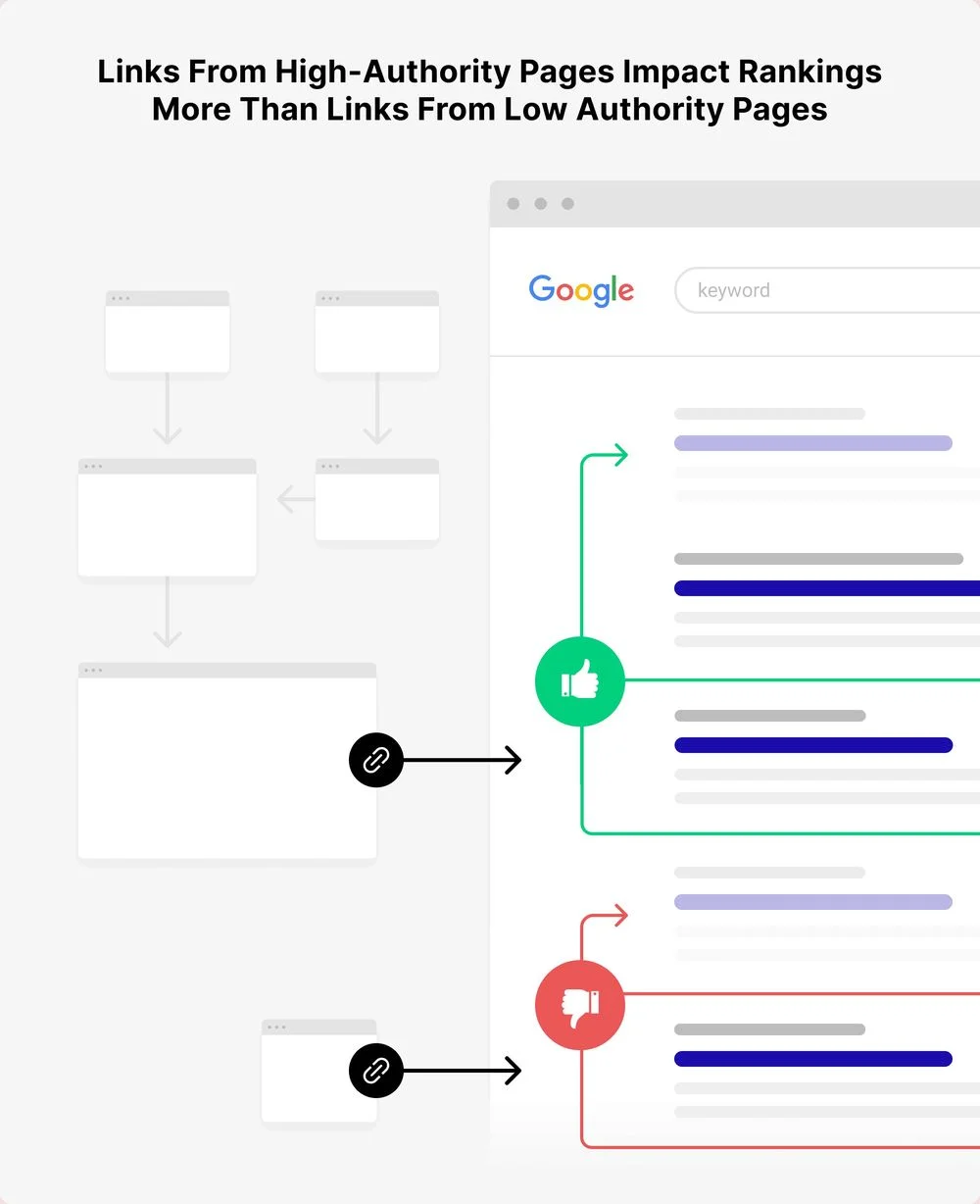
Every link builder eventually faces the same temptation: buy the biggest, most famous placement available and hope authority alone does the work. Authority matters, but it is not the whole story. A link only helps when the publishing site is trusted, relevant to your topic, and genuinely read by people who care about what you do. Choosing well means looking past a single score and judging the site the way a reader and a search engine both would. That slower judgment saves money, protects your site, and produces links that keep their value.
Start with relevance, because it frames everything else. A site can be large and well known yet still be a poor fit for your link. If your business serves website owners and marketers, a placement on a respected marketing or business publication will carry a clear topical signal. The article around your link, the category it sits in, and the other topics the site covers should all point in a compatible direction. When they do, search engines can easily understand why the link exists. When they do not, even a strong site sends a muddled signal that is worth far less than its reputation suggests.
Next, look at whether the site has a real audience. Traffic claims are easy to make and hard to verify from a sales page alone, so look for evidence you can check yourself. Does the site publish regularly, with recent articles that show care and editing? Do its articles attract comments, shares, or references from other writers? Does it rank for its own topics, rather than only for its brand name? A site that is alive in these ways is far more likely to keep your article indexed, visible, and useful. A site that has not published anything substantial in months is a warning sign, no matter how impressive its older metrics look.
Editorial standards are another strong clue. Good publishers reject weak work, ask for revisions, and hold contributors to a clear standard. That process may feel inconvenient when you are in a hurry, but it protects you. A link from a site that publishes anything for a fee sits among hundreds of similar paid posts, and search engines can often recognise that pattern. A link from a site that edits carefully sits among genuine articles, and it inherits some of that editorial trust. Before you pursue a placement, read several recent posts closely. If they read like real journalism or expert guidance, the site is probably worth your time.

Check the site's own link profile and history with fresh eyes. A healthy site links out to a mix of sources, cites its claims, and does not stuff every article with commercial links. A troubled site does the opposite: every post carries multiple exact-match commercial anchors, the content jumps wildly between unrelated topics, and older articles disappear or get replaced without explanation. You do not need expensive tools to spot the worst of this. A few minutes browsing categories, author pages, and recent archives will reveal whether the site has a coherent identity or whether it exists mainly to sell links.
Domain age and stability matter, but they should not be overrated. An older site that has published consistently for years has had time to build trust, and that history counts. A newer site that publishes excellent, focused content can also be valuable, especially if it is growing steadily in a niche you care about. What matters more than age alone is trajectory. Is the site improving, staying steady, or fading? A site on a downward path, with thinning content and falling visibility, may lose value after you buy. A site that is clearly investing in better content is a safer long-term home for your link.
Think carefully about where your link will sit on the page. A link inside the main body of an article, surrounded by relevant discussion, carries far more weight than a link in a footer, sidebar, or author bio that appears on every page. Body links are read in context, clicked by interested readers, and treated by search engines as editorial recommendations. Footer and sidebar links are often discounted because they repeat across the site and add little topical meaning. When you evaluate a placement, ask exactly where the link will appear, and be willing to pay more for a genuine in-content position rather than settling for a cheaper, weaker spot.
Anchor text deserves the same careful thought at the selection stage. Different sites have different house styles, and a good placement lets you use anchor text that fits naturally into the article. Overly commercial anchors repeated across many sites create a footprint that is easy to spot. A varied approach, mixing brand names, descriptive phrases, and natural sentence fragments, looks like real editorial linking. When you choose a site, consider whether its style will allow that natural phrasing. If a publisher insists on exact commercial anchors in every post, that rigidity is itself a reason to be cautious.
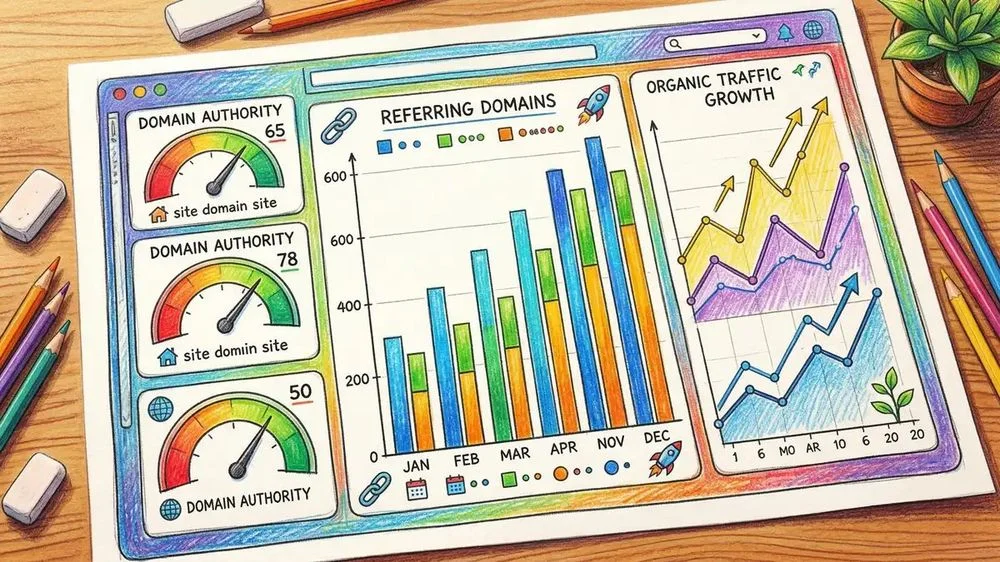
Price is a factor, but it should follow value, not lead it. The cheapest placement is rarely the best deal if the site is weak, irrelevant, or short-lived. The most expensive placement is not automatically the best either, especially if its audience has little overlap with yours. A useful way to judge price is to ask what you are actually buying: a relevant, lasting, in-content link on a trusted site with a real audience. If a placement delivers all of those, it is worth a serious price. If it delivers only one or two, negotiate down or walk away, even when the sales pitch is persuasive.
A large catalog helps with this kind of comparison because it lets you weigh many options side by side instead of deciding on one offer in isolation. Fox Business Market provides a guest-post marketplace with a large website catalog, giving website owners, SEOs, and businesses a wider set of sites to compare by topic and fit. Its services include Link Building, Content Marketing, Concealed Marketing, and PBN Link Building, which means you can choose an approach that matches your campaign rather than forcing every goal into the same method. Breadth alone does not guarantee quality, but it makes disciplined selection much easier.
Use that breadth wisely by building a shortlist before you spend anything. Pick ten or fifteen sites that look relevant, then narrow the list by reading actual articles, checking publishing frequency, and noting where links appear. Score each site simply: relevance, audience signs, editorial quality, link placement, and stability. The sites that score well across all five are your real candidates. The sites that score well on only one measure, usually a single authority metric, should drop off the list. This short, structured check takes an hour or two and prevents the most common and expensive mistake in link building.
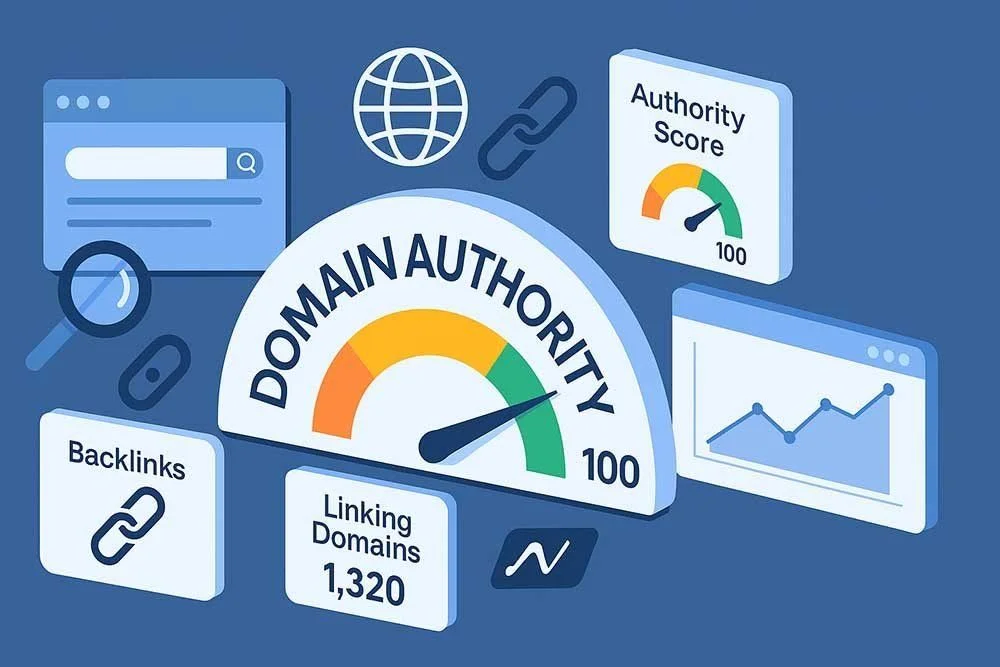
Avoid the red flags that experienced link builders learn to recognise quickly. Be wary of sites that promise guaranteed rankings, that hide their domain until payment, that publish dozens of unrelated guest posts every day, or that have no named authors or contact information. Be equally wary of networks where every site looks and reads the same, with identical layouts and interchangeable content. Those patterns suggest the sites were built to sell links rather than to serve readers, and links from them tend to lose value or create risk over time. A legitimate publisher is transparent about who runs it, what it covers, and how it works with contributors.
Once you have chosen a site, the work is not finished. Write or commission an article that genuinely belongs there. Match its tone, respect its audience, and place your link where it helps the reader go deeper, not where it interrupts the argument. After publication, verify that the article is live, indexed, and linking correctly, and keep a record of the placement, the anchor used, and the date. That record lets you track which sites actually moved your rankings and which did not, so your next round of selection is based on evidence rather than hope or habit.
Good selection is ultimately an exercise in patience and judgment. High-authority sites earn their value by serving readers well over time, and the links that last are the ones placed with the same care. Choose sites you would be proud to be associated with, insist on relevant in-content placements, vary your anchors naturally, and measure what happens after each link goes live. Do that consistently, and your link profile will grow into something search engines trust and competitors find hard to copy. Patience at this stage pays off in steadier rankings, stronger referral traffic, and a link profile that survives algorithm updates far better than rushed placements ever will for your growing business. For a broad starting point, you can explore suitable placements through the catalog at the Fox marketplace, compare sites on fit rather than fame alone, and build a portfolio of links that supports your rankings for the long term.