The Best Whiskey Brands in the World (2026 Connoisseur's Guide)
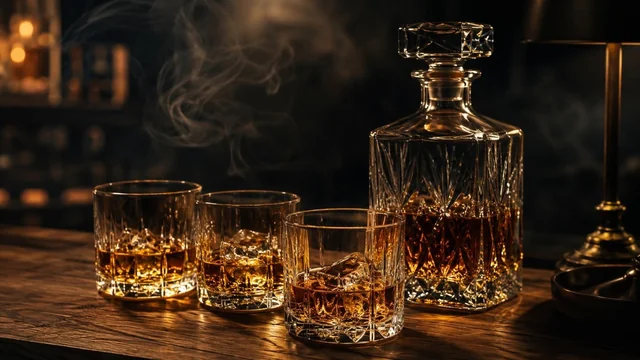
Whiskey is a craft of patience — grain, water, wood and time, shaped by distillers from Speyside to Kentucky to Osaka. This 2026 refresh highlights ten widely respected bottles spanning Scotch single malt and blended, Irish, bourbon, Tennessee, rye and Japanese whisky, with notes on flavor, heritage and who each one suits. It is written for adults of legal drinking age; please enjoy these pours in moderation and never while driving.
Key takeaways:
- Style first: pick Scotch, Irish, bourbon, rye or Japanese based on the flavor profile you actually enjoy, not on prestige.
- Glenfiddich 12, Jameson and Buffalo Trace cover most everyday needs at very reasonable prices.
- Lagavulin 16 and Ardbeg 10 are the peat benchmarks; Macallan 12 Double Cask and Hibiki Harmony are the gifting picks.
- Age statements are useful but not decisive — cask quality and distillation craft matter more than years alone.
- Drink responsibly: stay within CDC moderation guidelines, never drive impaired, and avoid alcohol if pregnant, under age, or on interacting medications.
The Best Whiskey Brands in the World at a Glance
- Glenfiddich 12 Year Old Single Malt — Scotch single malt (Speyside) · mid · everyday sipper / gateway single malt
- The Macallan 12 Year Old Double Cask — Scotch single malt (Speyside) · premium · gifting and slow sipping
- Lagavulin 16 Year Old Islay Single Malt — Scotch single malt (Islay, peated) · premium · peat lovers and fireside drams
- Ardbeg 10 Year Old Islay Single Malt — Scotch single malt (Islay, heavily peated) · mid-premium · bold smoke fans
- Johnnie Walker Black Label 12 Year Old — Blended Scotch · mid · versatile house pour and highballs
- Jameson Irish Whiskey — Blended Irish whiskey · budget · easy sipping and cocktails
- Redbreast 12 Year Old Single Pot Still — Single pot still Irish whiskey · mid-premium · Irish whiskey enthusiasts
- Buffalo Trace Kentucky Straight Bourbon — Kentucky straight bourbon · budget · value daily bourbon and old fashioneds
- Maker's Mark Kentucky Straight Bourbon — Wheated Kentucky straight bourbon · mid · approachable sippers and cocktails
- Suntory Hibiki Japanese Harmony — Blended Japanese whisky · premium · gifting and special-occasion sipping
The Picks, Reviewed
1. Glenfiddich 12 Year Old Single Malt
Scotch single malt (Speyside) · mid · everyday sipper / gateway single malt
Glenfiddich's family-owned Dufftown distillery has shipped its 12 Year Old since 1963, and it remains one of the world's best-selling single malts for good reason. Matured in a mix of American oak and European sherry casks at 40% ABV, it offers gentle pear, green apple and a soft vanilla-oak finish. It is approachable enough for newcomers yet structured enough that long-time Speyside fans keep a bottle around. Serve neat or with a single rock to open the orchard fruit.
2. The Macallan 12 Year Old Double Cask
Scotch single malt (Speyside) · premium · gifting and slow sipping
Macallan's Double Cask 12 marries American and European oak sherry-seasoned casks, yielding honeyed raisin, candied orange, ginger and a warm vanilla-spice finish at 43% ABV. The Speyside distillery's obsessive cask program is the headline act, and it shows in the silky mouthfeel. It is a deserved gift bottle and a benchmark for sherried Highland malts. Sip it neat in a Glencairn to let the dried-fruit aromatics bloom.
3. Lagavulin 16 Year Old Islay Single Malt
Scotch single malt (Islay, peated) · premium · peat lovers and fireside drams
Lagavulin's 16 is the reference Islay single malt — sea spray, campfire smoke, iodine and a long, sweet, sherry-tinged finish at 43% ABV. The distillery has worked the southern Islay coast since 1816, and the extra years in oak round its peat into something meditative rather than punishing. It is built for an armchair, a cold evening and zero distractions. Newcomers to peat should taste it neat with a small splash of still water.
4. Ardbeg 10 Year Old Islay Single Malt
Scotch single malt (Islay, heavily peated) · mid-premium · bold smoke fans
Ardbeg Ten is non-chill-filtered, bottled at 46% ABV and unapologetically smoky — tarred rope, lemon peel, brine and a long peppery-peat finish. The Kildalton-coast distillery has a cult following, and the Ten is the entry point that converts the curious. It punches above its mid-tier price thanks to its strength and complexity. Try it neat first; a few drops of water lift the citrus underneath the smoke.
5. Johnnie Walker Black Label 12 Year Old
Blended Scotch · mid · versatile house pour and highballs
Johnnie Walker Black is a 12-year blend of around 40 single malts and grain whiskies including a thread of Islay smoke, bottled at 40% ABV. It has been the world's reference blended Scotch for decades because it is consistent, layered with dried fruit, vanilla and gentle peat, and works neat, on the rocks or in a highball. It is the bottle to keep on the shelf when you don't know what guests will want. Pair with soda and a twist of orange for an effortless long drink.
6. Jameson Irish Whiskey
Blended Irish whiskey · budget · easy sipping and cocktails
Jameson, triple-distilled in Midleton, County Cork, blends pot still and grain whiskey into the smooth, lightly sweet style Ireland is known for, at 40% ABV. Expect toasted wood, green apple, nutty malt and a clean finish — friendly enough for newcomers and reliable in a whiskey ginger. It is hard to beat for the price as a daily-driver bottle. Serve neat, over ice, or in the classic Jameson, ginger and lime.
7. Redbreast 12 Year Old Single Pot Still
Single pot still Irish whiskey · mid-premium · Irish whiskey enthusiasts
Redbreast 12 is the flagship of Ireland's revived single pot still category, distilled at Midleton from a mash of malted and unmalted barley and matured in bourbon and oloroso sherry casks at 40% ABV. It delivers that signature pot still creaminess with Christmas cake, toasted nuts, marmalade and a long spicy finish. Connoisseurs treat it as the bottle that proves Irish whiskey can stand beside the great Speysiders. Sip neat at room temperature.
8. Buffalo Trace Kentucky Straight Bourbon
Kentucky straight bourbon · budget · value daily bourbon and old fashioneds
Buffalo Trace pours from one of the most decorated distilleries in Kentucky, using a low-rye mash bill aged at least eight years and bottled at 45% ABV. Caramel, brown sugar, vanilla and a touch of mint and oak make it a benchmark for what affordable bourbon should taste like. It is the workhorse bottle for old fashioneds and Manhattans, and a respectable neat pour. If you can find it at MSRP, buy two.
9. Maker's Mark Kentucky Straight Bourbon
Wheated Kentucky straight bourbon · mid · approachable sippers and cocktails
Maker's Mark famously swaps rye for soft red winter wheat in its mash bill, giving its 45% ABV bourbon a rounder, sweeter profile of vanilla, caramel, baked bread and a gentle oak finish. The hand-dipped red wax seal from the Loretto, Kentucky distillery is iconic, but the wheated style is the real draw — it is forgiving for newer bourbon drinkers and excellent in a whiskey sour. A go-to for anyone who finds high-rye bourbons too spicy. Try a Kentucky mule on a warm evening.
10. Suntory Hibiki Japanese Harmony
Blended Japanese whisky · premium · gifting and special-occasion sipping
Hibiki Japanese Harmony blends malt and grain whiskies from Suntory's Yamazaki, Hakushu and Chita distilleries, bottled at 43% ABV in the signature 24-faceted decanter. The flavor is delicate and layered — honey, white chocolate, candied orange peel, a wisp of Mizunara oak incense — and the finish is famously silky. It captures the Japanese pursuit of balance and is a textbook gift bottle for someone graduating into premium whisky. Serve neat at slightly cool room temperature, or in a precise highball.
How to Choose a Whiskey
Whisky or whiskey? The spelling tracks the country. Scotland, Japan and Canada spell it whisky; Ireland and the United States generally spell it whiskey. Both refer to spirits distilled from a fermented grain mash and aged in oak — the differences come from grain, still shape, water, climate and cask.
Know the major styles. Scotch single malts (made at one distillery from malted barley) are prized for regional character — Speyside leans honeyed and fruity, Islay leans peat-smoky, Highlands and Lowlands sit between. Blended Scotch like Johnnie Walker combines many distilleries for consistency. Irish whiskey is typically triple-distilled and smoother; single pot still (Redbreast) adds a uniquely creamy, spicy edge. Bourbon must be at least 51% corn, aged in new charred American oak, and tastes of caramel and vanilla; rye whiskey leads with pepper and baking spice; Tennessee whiskey is bourbon-style filtered through sugar-maple charcoal. Japanese whisky echoes the Scotch tradition with extreme precision and often a delicate Mizunara-oak signature.
Age statements, proof and how to drink it. An age statement is the youngest whisky in the bottle, not an automatic quality grade — a well-made 8-year bourbon can outshine a tired 18-year malt. Proof (US) is twice the ABV; higher-proof bottles carry more flavor and reward a few drops of water. Start a tasting neat in a tulip-shaped Glencairn glass: nose with your mouth slightly open, take a small sip to coat the palate, then a second to actually taste. Save ice for casual sipping or hot weather, and use the workhorse bottles (Buffalo Trace, Jameson, Maker's Mark) for cocktails so you are not burning your good single malt in a mixer.
Drink responsibly. Whiskey is a high-ABV spirit and these recommendations are written for adults of legal drinking age (21+ in the United States, 18+ in many other regions). The U.S. CDC's dietary guidelines define moderate drinking as up to one standard drink per day for women and up to two for men, with less being better — a standard drink is roughly 1.5 oz of 80-proof spirit. Do not drink and drive, do not mix alcohol with medications without checking with a clinician (it can interact dangerously with many prescriptions, including opioids, benzodiazepines and some antidepressants), and avoid alcohol entirely if you are pregnant, trying to become pregnant, under the legal age, or in recovery from a substance use disorder. If drinking ever feels less like appreciation and more like a need, talk to a doctor or contact SAMHSA's National Helpline at 1-800-662-4357.
Sources & Further Reading
Frequently Asked Questions
What is the difference between whisky and whiskey?
The spelling follows the country of origin. Scotland, Japan and Canada use 'whisky'; Ireland and the United States typically use 'whiskey'. Both describe spirits distilled from fermented grain mash and matured in oak, so the difference is regulatory and stylistic rather than chemical.
What is the best whiskey for a beginner?
For a gentle Scotch entry, Glenfiddich 12 is hard to beat. If you want Irish smoothness try Jameson or step up to Redbreast 12; for bourbon, the wheated Maker's Mark and the balanced Buffalo Trace are very forgiving. Avoid heavy Islay peat (Lagavulin, Ardbeg) until you know you enjoy smoke.
Should I drink whiskey neat, on the rocks or with water?
Start neat in a tulip-shaped glass so you can smell and taste the whiskey as the distiller intended. A few drops of still water — especially with cask-strength or higher-proof bottles — open up aromas. Ice chills and mutes flavor, which is great for casual sipping or hot weather but less ideal for evaluating a new bottle.
Does an older whiskey always mean better whiskey?
No. Age statements indicate the youngest whisky in the bottle, but cask quality, climate and distillation matter more than years alone. A thoughtfully made 10- or 12-year-old can easily out-drink a tired older bottle, and many distilleries now release excellent no-age-statement whiskies.
How should I store an open bottle of whiskey?
Keep it upright, away from direct sunlight, at stable room temperature, with the cap on tight. Unlike wine, whiskey does not age in the bottle, but oxygen slowly changes the flavor — a bottle that is less than a quarter full will fade over months, so finish or share it rather than letting it sit for years.
What counts as moderate, responsible whiskey drinking?
The U.S. CDC defines moderate drinking as up to one standard drink per day for women and up to two for men, where a standard drink is about 1.5 ounces of 80-proof spirit. Never drive after drinking, avoid mixing alcohol with medications without medical advice, and skip alcohol entirely if you are pregnant, under legal age, or in recovery.
Alcohol-related content for adults of legal drinking age (21+ in the US, 18+ in many other regions). Please drink responsibly. Avoid alcohol if you are pregnant, on medications that interact with alcohol, have a history of substance use disorder, or are driving. CDC recommends moderation if you choose to drink. Information is based on public sources and vendor pages current as of June 2026. Details, prices and plans change frequently — verify on the official site before relying on them. SaveDelete may earn a small commission on purchases made through some links on this page, at no extra cost to you.