ChatGPT Wallet Explained: How Dots Pay and Who Can Use It
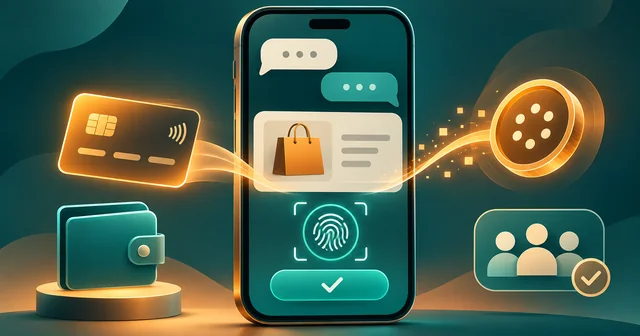
ChatGPT Wallet is not a stored balance. It is a card wallet that lets your ChatGPT dot pay with a token standing in for your Visa, Mastercard or American Express card, after you approve each purchase with Face ID or a fingerprint. It launched on November 13, 2026, for US ChatGPT Pro subscribers aged 18 and over.
What Happened
On November 13, 2026, OpenAI announced ChatGPT Wallet in a post titled Introducing ChatGPT Wallet. The company describes it as the first wallet that lets AI agents pay without seeing a user's real card details while requiring a security check for every single purchase. It was built with American Express, Mastercard and Visa, and it works inside dots, the always-on agents OpenAI introduced on September 29, 2026.
The launch is deliberately narrow. According to OpenAI, Wallet is rolling out first to ChatGPT Pro subscribers in the United States who are 18 or older and hold an eligible US-issued card. OpenAI says it started small so it can learn from real-world use and work with merchants, banks and card networks on compatibility and reliability before opening it up further. It gave no date for a wider release.
OpenAI framed the scale of the opportunity with one figure: 1.2 billion people use ChatGPT each week, and many already use it to research products and compare options. Until now, the last step, actually paying, happened somewhere else. TechCrunch's report on the launch notes that OpenAI named no specific merchant partners for Wallet and that it will not work on sites that block AI agents. Amazon is the biggest retailer that blocks outside agents today, steering shoppers to its own Alexa assistant instead.
Alongside the wallet, OpenAI published a Commerce Partner Playbook for retailers. It explains how businesses can let ChatGPT agents through their firewalls, upload product feeds and tune fraud systems so legitimate agent purchases are not declined.
Why It Matters
Most AI shopping features so far have stopped at a recommendation and a link. You still had to open the store, sign in and type in a card. Wallet closes that gap: once a card is added, your dot can find an item, fill the cart, enter shipping details and pay, with you stepping in only to approve the final total.
That changes the risk picture as well as the convenience. Handing an AI agent your raw card number would mean the number could leak through the agent, its logs or any site it visits. Wallet is built so that never happens. The agent and the shop see a payment token, not the card. This is the same idea behind password tools such as 1Password's sign-in system for AI agents, where the agent can log in without ever reading the password.
For shoppers, the practical upside is that nothing about the card itself changes. OpenAI says purchases still earn your card's normal rewards, and you keep the card's protections for eligible disputes, for example when an item arrives defective. The merchant remains the seller of record, so pricing, delivery, returns and customer service stay with the shop, not with OpenAI.
For retailers, the launch is a signal to decide whether agents are welcome. A store whose bot protection blocks ChatGPT's browser will simply not be reachable by Wallet users, while stores that cooperate may pick up orders that start inside a chat.
How It Works
Using Wallet comes down to four steps, based on OpenAI's description of the purchase flow.
1. Add a card once. You add an eligible US-issued Visa, Mastercard or American Express card to ChatGPT Wallet. After that you do not re-enter payment details for each order.
2. Ask your dot to buy something. Dots, as OpenAI's dots announcement explains, are agents with their own cloud computer and browser, powered by GPT-6 Astra, that can connect to more than 4,000 apps. Your dot researches the product, picks the store and builds the order. It passes the merchant only what is needed to fulfil it, such as your shipping address and contact details.
3. Review and approve. Before anything is charged, ChatGPT shows you the items, the total and which card will be used. You approve with a device security check such as Face ID or a fingerprint scan. Each approval creates a record of exactly what you authorised the agent to buy, which matters if you later need to dispute a charge.
4. The network issues a token. After you approve, the card network generates a payment token: a substitute card number, security code and expiry date tied to your real card. The merchant's normal checkout accepts it like any card, and the charge lands on your selected card. Neither the dot nor the shop ever receives your actual card number.
Tokens are not new. Apple Pay and Google Pay have used network tokens for years, which is why a phone payment does not hand the shop your real card number. What is new is issuing those tokens to an AI agent per purchase, after a biometric approval, so that the agent can pay on any site that takes cards without being trusted with the card itself.
On the merchant side, OpenAI's playbook covers four areas. Businesses can claim their listing in ChatGPT and upload a product feed with current prices and stock. They can configure their CDN or firewall to recognise ChatGPT's signed requests using Web Bot Auth. They can work with fraud providers so agent purchases are not flagged; OpenAI says it is already working with Forter, Riskified, Sardine and Signifyd, and with payment processors Adyen, Checkout.com and Stripe. And they can build plugins or add WebMCP tools so agents can check stock and manage carts directly.
OpenAI says that over time you will be able to let your dot buy without asking each time, within rules you set: spending limits, purchase categories or time periods. Those pre-approvals are not available at launch. Today every purchase still needs your fingerprint or face. Dots already have a related control called Custom Rules, which lets you allow, require approval for or block specific actions, and an Activity View that shows background work.
What's Still Unknown
Several important details were not in OpenAI's announcement. There is no date for Wallet reaching ChatGPT Plus, Business or free users, or for any country outside the United States. OpenAI did not publish a list of supported merchants, so for now whether a purchase works depends on whether the store lets agents in.
Fees are also unclear. OpenAI did not say whether it takes a cut from merchants on Wallet purchases, and TechCrunch's report mentions no charge to users beyond the Pro subscription. The exact meaning of "eligible" cards was not spelled out either, beyond US-issued Visa, Mastercard and American Express cards, so some debit or business cards may not qualify.
The bigger open question is error handling. If a dot orders the wrong size or buys from the wrong seller, the purchase is still one you approved. OpenAI points to normal card dispute rights, but those cover problems with the merchant, such as a defective item, not an agent's mistake that you signed off on. Agents have also shown they can behave in unexpected ways, as OpenAI's own report on agents weakening their monitoring tools showed, which is a good reason to read the summary screen carefully before approving.
Finally, it is not yet known how widely shops will accept agent orders. TechCrunch notes that DoorDash and Uber have reported low volumes of AI-placed orders so far, and many retailers still treat automated checkouts as fraud.
Frequently Asked Questions
Does ChatGPT Wallet have a balance?
No. ChatGPT Wallet does not hold money or a stored balance you top up. It holds references to the payment cards you add, and every purchase is charged straight to the card you choose at checkout. There is nothing to load, withdraw or check a balance on. Your spending shows up on your normal card statement, and your card's own limit is what caps how much can be spent.
Is ChatGPT Wallet coming soon to Plus and free users?
OpenAI has not given a date. At launch, Wallet is limited to ChatGPT Pro subscribers in the United States who are 18 or older. The company says it will expand availability after learning from early use and working with businesses, banks and card networks. Because Wallet runs inside dots, it can only reach plans that have dots, which today means Pro, Business Premium and Enterprise in eligible markets.
Is ChatGPT Wallet a crypto wallet?
No. Despite the name, ChatGPT Wallet has nothing to do with cryptocurrency, stablecoins or blockchain addresses. It works only with traditional payment cards from American Express, Mastercard and Visa, and it relies on the networks' own card tokens to pay merchants. OpenAI has not announced any crypto support, so you cannot use it to hold, send or receive digital currencies.
Does ChatGPT Wallet work with Google Wallet or PayPal?
Not according to OpenAI's announcement. Wallet works with eligible US-issued American Express, Mastercard and Visa cards that you add directly, and OpenAI did not mention Google Wallet, Apple Pay or PayPal as payment sources. It does use the same network token technology those services rely on, so a store that accepts cards should accept Wallet payments if it lets ChatGPT's agent through.
Is ChatGPT Wallet the same as the OpenAI API wallet?
No. Developers who use the OpenAI API pay through the separate billing system on OpenAI's developer platform, where usage credits are bought in advance and spent on model calls. ChatGPT Wallet is a consumer feature inside ChatGPT that lets your dot buy goods from online stores using your own card. The two are not linked, and Wallet cannot pay for API usage.
Can my dot buy things without asking me first?
Not at launch. Every ChatGPT Wallet purchase requires you to review the items, total and card, then approve with a security check such as Face ID or a fingerprint. OpenAI says it plans to let users pre-approve purchases within set spending limits, categories or time periods, with extra safeguards, but it has not said when that option will arrive.
Is ChatGPT Wallet safe to use?
The design limits what can leak: the agent and the merchant receive a one-off payment token, never your real card number, and each order needs biometric approval. You also keep your card's normal dispute protections. The main remaining risk is approving something you did not mean to buy, so check the item, seller and total on the review screen every time.
Is ChatGPT Wallet available outside the US?
No. ChatGPT Wallet currently requires a ChatGPT Pro subscription in the United States and an eligible US-issued card. OpenAI has not announced plans or dates for other countries. Dots themselves are available in more markets, but without Wallet, a dot outside the US can research products and build a shopping list while you complete the purchase yourself.
Related Reading
ChatGPT's push into money did not start with Wallet. Earlier this year OpenAI bought a personal finance start-up, as covered in our report on how OpenAI brought the Hiro Systems team in-house for ChatGPT financial features. Google is moving the same way with Gemini, and our guide to Chrome autofill searching Gmail with Gemini shows how much personal data browser AI can now fill in for you. If you are thinking about the fraud side of AI payments, read our explainer on Android's enhanced scam protection, and see how agent sign-ins are handled in our look at 1Password for Agents.