A Quick Guide To Email Marketing
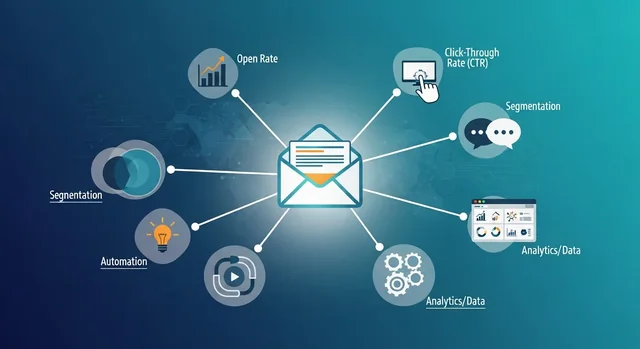
Email marketing remains a powerhouse in the digital landscape in 2025, offering unparalleled opportunities to connect with your audience, nurture leads, and drive sales. This guide provides a comprehensive overview of email marketing, covering everything from automation and segmentation to AI-powered personalization and compliance.
The Power of Email Marketing in 2025
While social media and other marketing channels grab headlines, email marketing continues to deliver impressive results. In 2025, its strength lies in its directness, personalization capabilities, and high ROI. With sophisticated tools and strategies, you can achieve remarkable engagement and conversions.
Key Benefits of Email Marketing
- High ROI: Email marketing consistently outperforms other channels in terms of return on investment. Expect to see an average ROI of $6 for every $1 spent.
- Direct Communication: Reach your audience directly in their inbox, cutting through the noise of social media algorithms.
- Personalization: Tailor your messages to individual preferences and behaviors for maximum impact.
- Automation: Automate repetitive tasks and nurture leads efficiently with email flows.
- Measurable Results: Track key metrics like open rates, click-through rates, and conversions to optimize your campaigns.
- Build Relationships: Foster long-term relationships with your subscribers by providing valuable content and personalized offers.
Step-by-Step Guide to Email Marketing Success in 2025
Step 1: Building Your Email List
A strong email list is the foundation of any successful email marketing strategy. Here's how to build one:
Related: How to Make Multiple Accounts on Twitter with same Email Address?.
- Offer a Valuable Lead Magnet: Entice visitors to subscribe by offering something valuable in return, such as an ebook, checklist, template, or exclusive discount. Make sure your lead magnet is relevant to your target audience's interests.
- Optimize Your Website Forms: Place signup forms strategically on your website, including your homepage, blog, and landing pages. Use clear and compelling calls to action.
- Run Contests and Giveaways: Host contests and giveaways to generate leads and increase brand awareness. Make sure to comply with all relevant regulations.
- Promote Your Email List on Social Media: Drive traffic to your signup forms by promoting your email list on your social media channels.
- Use Pop-Up Forms Strategically: Implement pop-up forms on your website, but avoid being intrusive. Set them to appear after a certain amount of time or when a visitor is about to leave the page.
- Consider Paid Advertising: Use platforms like Facebook or Google Ads to drive targeted traffic to dedicated landing pages for email sign-ups. Target your audience based on demographics, interests, and behaviors.
- Webinars and Online Events: Offer valuable content through webinars and online events. Require email registration to attend.
Step 2: Choosing the Right Email Marketing Platform
Selecting the right email marketing platform is crucial for managing your list, creating campaigns, and tracking results. Here's a comparison of two leading platforms:
Klaviyo vs. Mailchimp: A 2025 Comparison
| Feature | Klaviyo | Mailchimp |
|---|---|---|
| Pricing | Freemium (limited features); Paid plans based on list size and email sends, more granular and focused on ecommerce revenue. Expect to pay around $45/month for 1000 contacts with email and SMS. | Freemium (limited features); Paid plans based on list size and features. Starts around $13/month for 500 contacts with email. |
| Automation | Advanced automation capabilities, including behavioral triggers and personalized flows. Best for ecommerce. | Good automation features, but less sophisticated than Klaviyo. Suitable for a wider range of businesses. |
| Segmentation | Highly granular segmentation based on purchase history, website activity, and other data points. | Solid segmentation options, but less detailed than Klaviyo. |
| Personalization | Advanced personalization features, including dynamic content and product recommendations. AI powered personalization is standard. | Good personalization options, but less advanced than Klaviyo. |
| Integrations | Excellent integrations with ecommerce platforms like Shopify, Magento, and WooCommerce. | Wide range of integrations with various platforms, including CRM, social media, and ecommerce. |
| Reporting & Analytics | Detailed reporting and analytics, including revenue attribution and customer lifetime value. | Comprehensive reporting and analytics, including open rates, click-through rates, and conversions. |
| SMS Marketing | Integrated SMS marketing capabilities. | SMS marketing available, but often at a higher cost or separate plan. |
| Ease of Use | Can be complex for beginners, but offers more power for experienced marketers. | More user-friendly and easier to learn for beginners. |
Recommendation: If you're an ecommerce business looking for advanced automation, segmentation, and personalization features, Klaviyo is the better choice. If you're a small business or non-profit with simpler needs, Mailchimp is a good option.
Step 3: Creating Engaging Email Content
Your email content is what will ultimately determine the success of your email marketing campaigns. Here's how to create engaging content that your subscribers will love:
- Write Compelling Subject Lines: Your subject line is the first thing subscribers will see, so make it count. Use strong verbs, create a sense of urgency, or ask a question. Keep it short and sweet (under 50 characters).
- Personalize Your Messages: Use your subscribers' names and other personal information to make your emails feel more relevant.
- Provide Value: Offer valuable content that your subscribers will find useful, such as tips, advice, or exclusive offers.
- Use High-Quality Images and Videos: Visuals can make your emails more engaging and memorable.
- Keep Your Emails Concise: Get to the point quickly and avoid overwhelming your subscribers with too much information.
- Use a Clear Call to Action: Tell your subscribers what you want them to do, whether it's to visit your website, make a purchase, or download a resource.
- Optimize for Mobile: Ensure that your emails are mobile-friendly, as many people will be reading them on their smartphones.
Step 4: Implementing Email Automation Flows
Email automation allows you to send targeted emails to your subscribers based on their behavior and preferences. Here are some essential email flows to implement:
- Welcome Flow: Introduce new subscribers to your brand and offer them a special welcome gift.
- Cart Abandonment Flow: Remind subscribers about items they left in their cart and encourage them to complete their purchase. This can increase revenue by as much as 30x compared to not having a cart abandonment flow.
- Re-engagement Flow: Reach out to inactive subscribers and try to re-engage them. If they don't respond, remove them from your list.
- Post-Purchase Flow: Thank customers for their purchase and offer them additional products or services.
- Browse Abandonment Flow: Target users who viewed specific products but didn't add them to their cart.
- Birthday Flow: Send a special offer or greeting on subscribers' birthdays.
Step 5: Segmenting Your Email List
Segmentation allows you to divide your email list into smaller groups based on specific criteria, such as demographics, interests, or purchase history. This enables you to send more targeted and relevant emails, which can significantly improve your results. Expect a revenue increase of 3x by properly segmenting your list.
Here are some common segmentation strategies:
You might also be interested in Mastodon Explained: A Practical Guide to the Twitter Alternative.
- Demographic Segmentation: Segment your list based on age, gender, location, and other demographic factors.
- Interest-Based Segmentation: Segment your list based on your subscribers' interests and hobbies.
- Purchase History Segmentation: Segment your list based on your subscribers' past purchases.
- Behavioral Segmentation: Segment your list based on your subscribers' behavior on your website and in your emails.
- Engagement Segmentation: Segment based on email open and click activity.
Step 6: Leveraging AI-Powered Personalization
In 2025, AI is transforming email marketing by enabling hyper-personalization at scale. AI algorithms can analyze vast amounts of data to predict individual preferences and behaviors, allowing you to deliver highly relevant and engaging content.
Here are some ways to leverage AI-powered personalization:
- Product Recommendations: Use AI to recommend products that are most likely to appeal to individual subscribers.
- Dynamic Content: Use AI to dynamically adjust the content of your emails based on individual preferences.
- Personalized Subject Lines: Use AI to generate personalized subject lines that are more likely to get opened.
- Send-Time Optimization: Use AI to determine the optimal time to send emails to individual subscribers.
Step 7: Monitoring Your Results and Optimizing Your Campaigns
It's essential to track your email marketing results and make adjustments to your campaigns as needed. Here are some key metrics to monitor:
- Open Rate: The percentage of subscribers who opened your email. In 2025, expect an average open rate of around 38%.
- Click-Through Rate (CTR): The percentage of subscribers who clicked on a link in your email.
- Conversion Rate: The percentage of subscribers who completed a desired action, such as making a purchase.
- Unsubscribe Rate: The percentage of subscribers who unsubscribed from your email list.
- Bounce Rate: The percentage of emails that could not be delivered.
Use A/B testing to experiment with different subject lines, content, and calls to action to see what works best. Continuously analyze your data and make adjustments to your campaigns to improve your results.
Step 8: Ensuring GDPR and CCPA Compliance
In 2025, it's more important than ever to comply with data privacy regulations like GDPR (General Data Protection Regulation) and CCPA (California Consumer Privacy Act). Here are some key steps to take:
You might also be interested in Intentional Social App Tangle Aims to Redefine Online Life.
- Obtain Explicit Consent: Get explicit consent from subscribers before adding them to your email list.
- Provide a Clear Unsubscribe Option: Make it easy for subscribers to unsubscribe from your email list.
- Protect Subscriber Data: Implement security measures to protect subscriber data from unauthorized access.
- Be Transparent About Data Usage: Clearly explain how you will use subscriber data in your privacy policy.
- Honor Data Requests: Comply with requests from subscribers to access, correct, or delete their data.
Common Email Marketing Mistakes to Avoid
- Buying Email Lists: Never buy email lists, as this is a violation of anti-spam laws and will damage your reputation.
- Sending Emails Without Permission: Always get permission from subscribers before sending them emails.
- Using Deceptive Subject Lines: Avoid using deceptive subject lines that trick subscribers into opening your emails.
- Not Providing Value: Make sure your emails provide value to your subscribers.
- Ignoring Mobile Optimization: Ensure that your emails are mobile-friendly.
- Not Tracking Your Results: Monitor your email marketing results and make adjustments as needed.
- Ignoring Compliance: Fail to comply with GDPR, CCPA, and other regulations.
Email Marketing Best Practices for 2025
- Focus on Building Relationships: Email marketing is about building long-term relationships with your subscribers.
- Personalize Your Messages: Tailor your messages to individual preferences and behaviors.
- Provide Value: Offer valuable content that your subscribers will find useful.
- Automate Your Campaigns: Automate repetitive tasks and nurture leads efficiently.
- Test and Optimize: Continuously test and optimize your campaigns to improve your results.
- Stay Compliant: Adhere to all relevant data privacy regulations.
- Embrace AI: Leverage AI-powered personalization to enhance engagement and conversions.
FAQ About Email Marketing in 2025
- What is the average open rate for email marketing in 2025?
The average open rate is around 38%, but this can vary depending on your industry and audience.
- What is the ROI of email marketing?
Email marketing has a high ROI, typically around $6 for every $1 spent.
- How often should I send emails?
The ideal frequency depends on your audience and industry. Test different frequencies to see what works best.
- What is the best time to send emails?
The best time to send emails varies depending on your audience, but generally, mid-morning or early afternoon on weekdays are good times.
See also: Top AI Dictation Apps 2025 for Work and Productivity.
- What are some effective lead magnet ideas?
Ebooks, checklists, templates, exclusive discounts, and free trials are all effective lead magnets.
- How can I improve my email deliverability?
Authenticate your email domain, use a reputable email marketing platform, and avoid using spam trigger words in your subject lines and content.
- How can I segment my email list?
You can segment your list based on demographics, interests, purchase history, behavior, and engagement.
- What are the key features to look for in an email marketing platform?
Look for features like automation, segmentation, personalization, reporting, and integrations.
- Is SMS marketing integrated with email marketing platforms?
Yes, platforms like Klaviyo offer integrated SMS marketing capabilities, allowing you to reach your audience through multiple channels.
- How important is mobile optimization for email marketing in 2025?
Extremely important. A large percentage of your audience will be reading emails on mobile devices, so ensure your emails are responsive and mobile-friendly.
You might also be interested in Clicks Communicator: The BlackBerry-Style Android Phone Designed for Productivity.
Conclusion
Email marketing remains a vital tool for businesses of all sizes in 2025. By following the steps outlined in this guide, you can build a strong email list, create engaging content, automate your campaigns, and achieve remarkable results. Embrace the power of personalization, leverage AI, and stay compliant with data privacy regulations to maximize your email marketing success.