Top Internet Marketing Software Tools for SEO, PPC & Social Media (2026)
Running and growing an internet marketing business is hard work — attracting customers, ranking on Google, managing ads and staying active on social media all at once. The right marketing software tools automate the busywork so you can focus on strategy and results. With worldwide digital advertising spending projected to surpass $750 billion in 2026, investing in reliable tools is no longer optional. Here are the top internet marketing tools for SEO, PPC and social media you can use right now.
1. Hootsuite
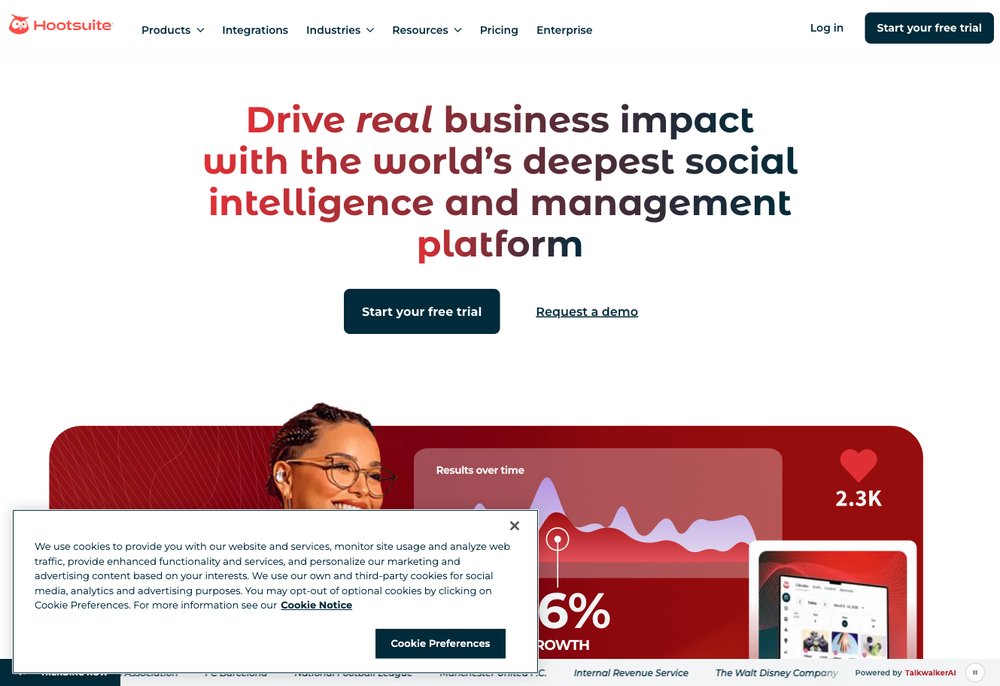
Hootsuite is one of the best-known social media management tools. From a single dashboard you can schedule and publish posts across all your networks, monitor mentions and conversations, collaborate with your team, and pull detailed analytics reports — plus manage everything on the go with its mobile app.
2. Google Analytics
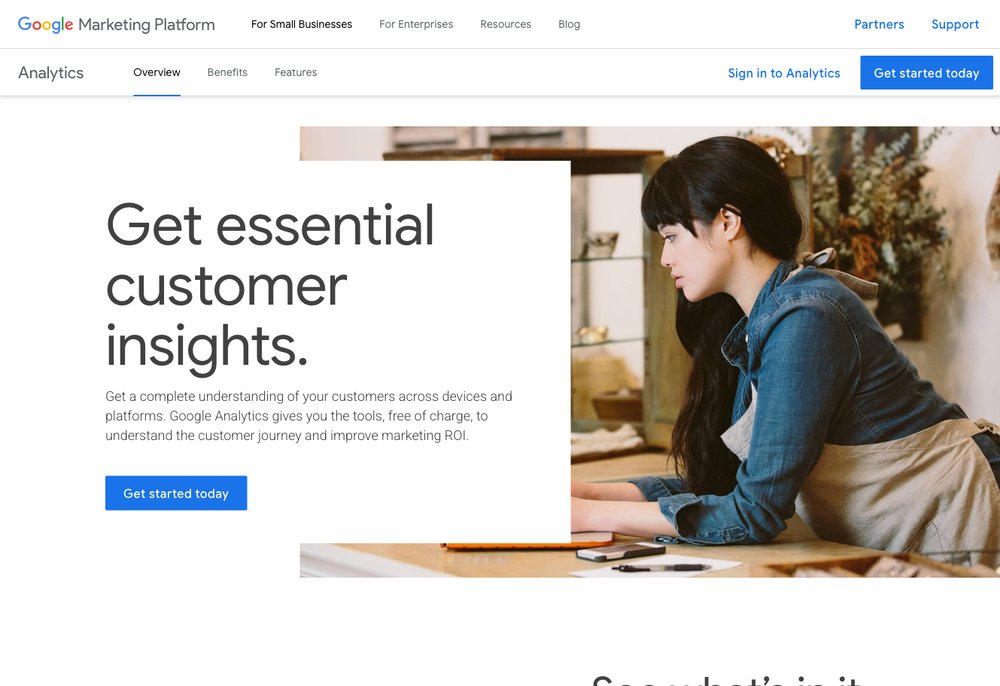
Google Analytics (now GA4) is the most widely used — and free — website and app analytics platform. It shows who your visitors are, where they come from, what they click, your bounce and conversion rates, and how users move through your funnel, giving you the data to make smart marketing decisions.
3. WordPress
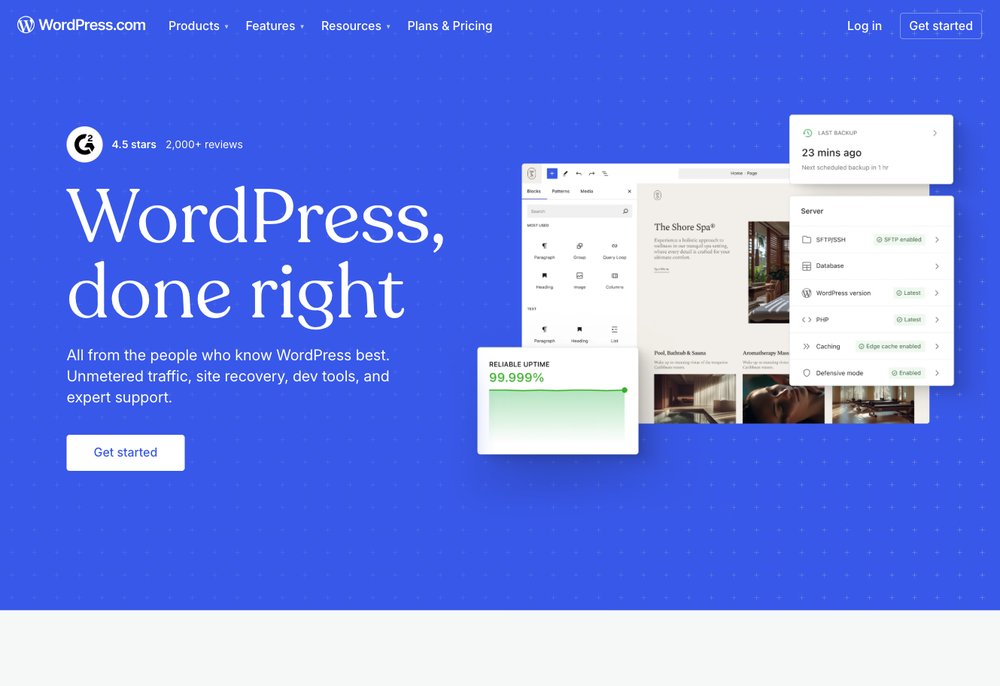
WordPress powers a huge share of the web for good reason: it’s the most popular, flexible and SEO-friendly content management system. Paired with plugins like Yoast SEO or Rank Math, it makes publishing optimised content that ranks well and converts remarkably easy.
4. Semrush
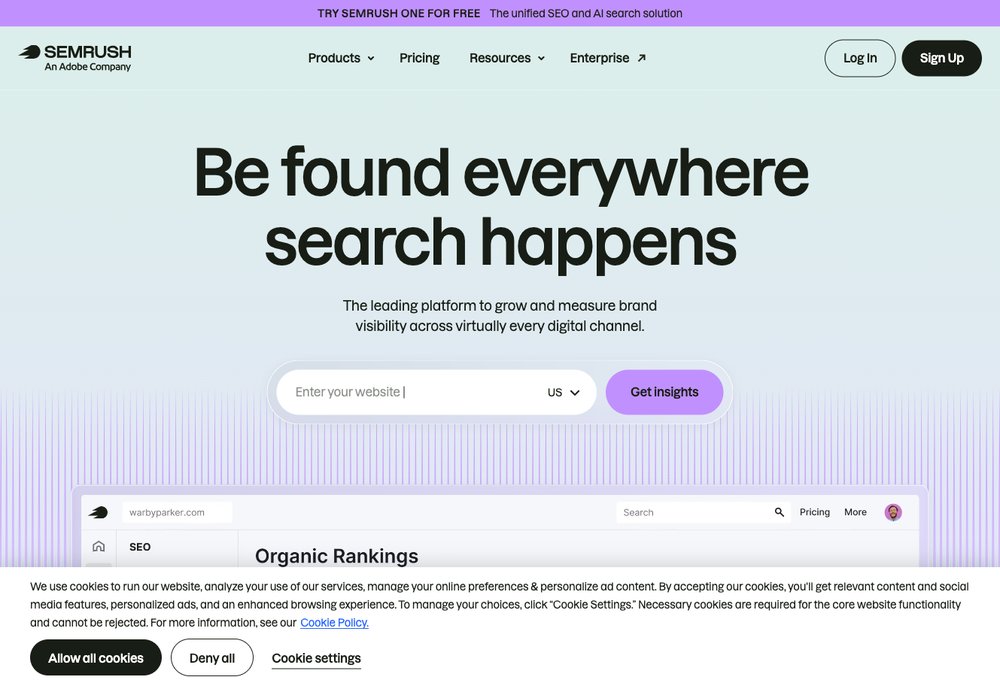
Semrush is a powerful all-in-one toolkit for SEO and PPC marketers — keyword research, rank tracking, competitor analysis (see exactly what your rivals rank for), backlink audits, site health checks and content ideas. If you want one tool to run both your SEO and paid campaigns, it’s hard to beat. Also read our Semrush review.
5. HubSpot
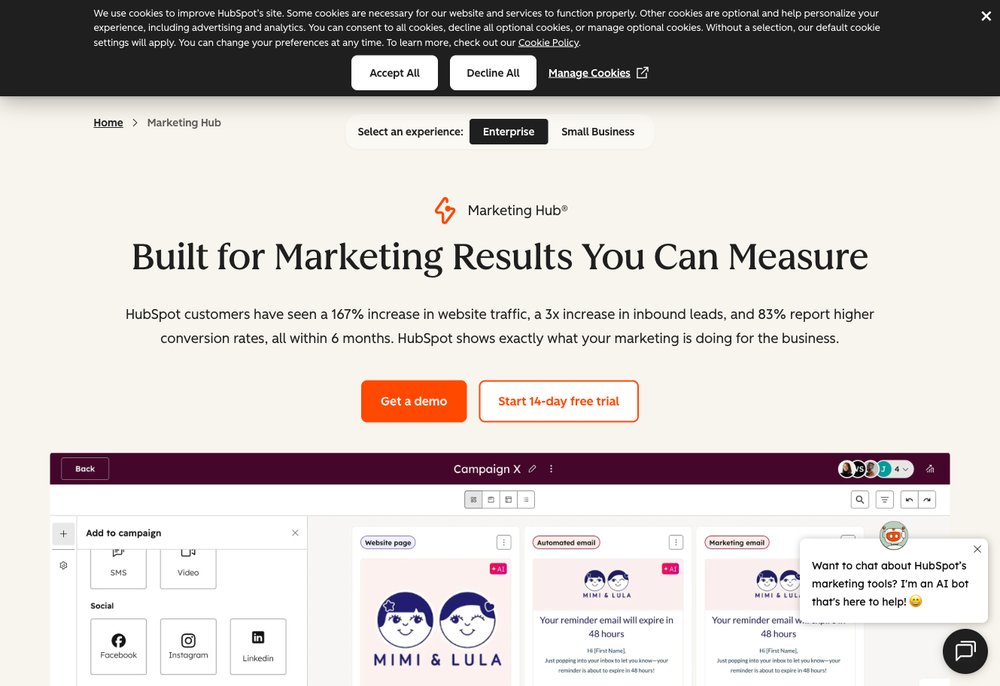
HubSpot is an all-in-one marketing, CRM and automation platform that keeps your contacts, email, landing pages, forms and workflows in one place. Its free CRM and generous free tools make it a favourite for small and growing teams that want to nurture leads without stitching together a dozen separate apps.
6. Adobe Marketo Engage
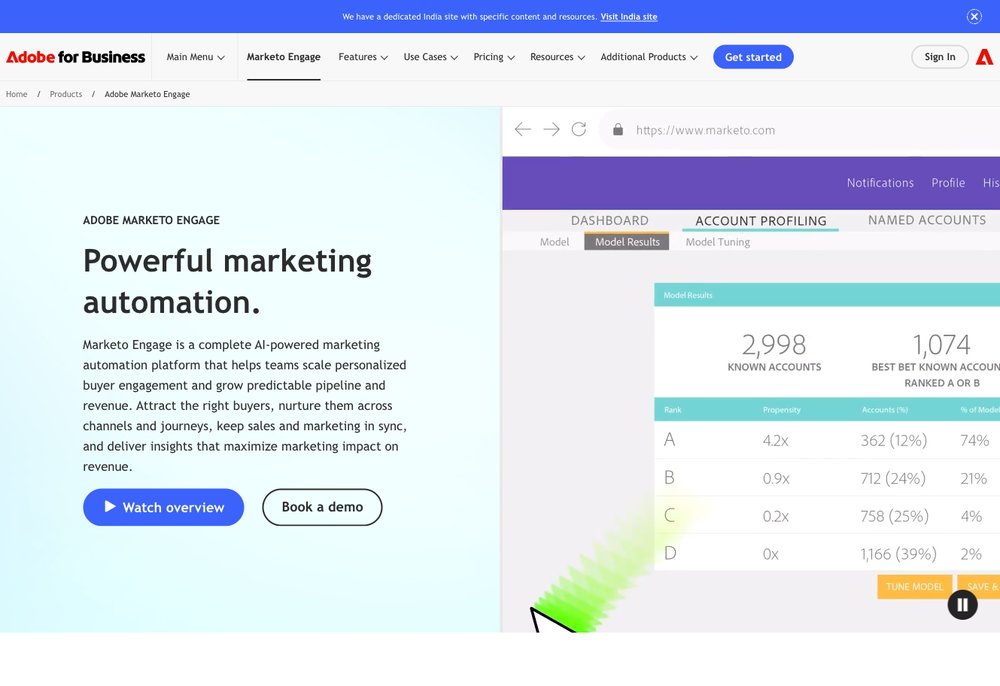
Adobe Marketo Engage is a robust, enterprise-grade marketing automation platform. It automates multi-channel campaigns, lead scoring and nurturing, helping larger marketing teams save time and run sophisticated, personalised journeys at scale.
7. Wideo
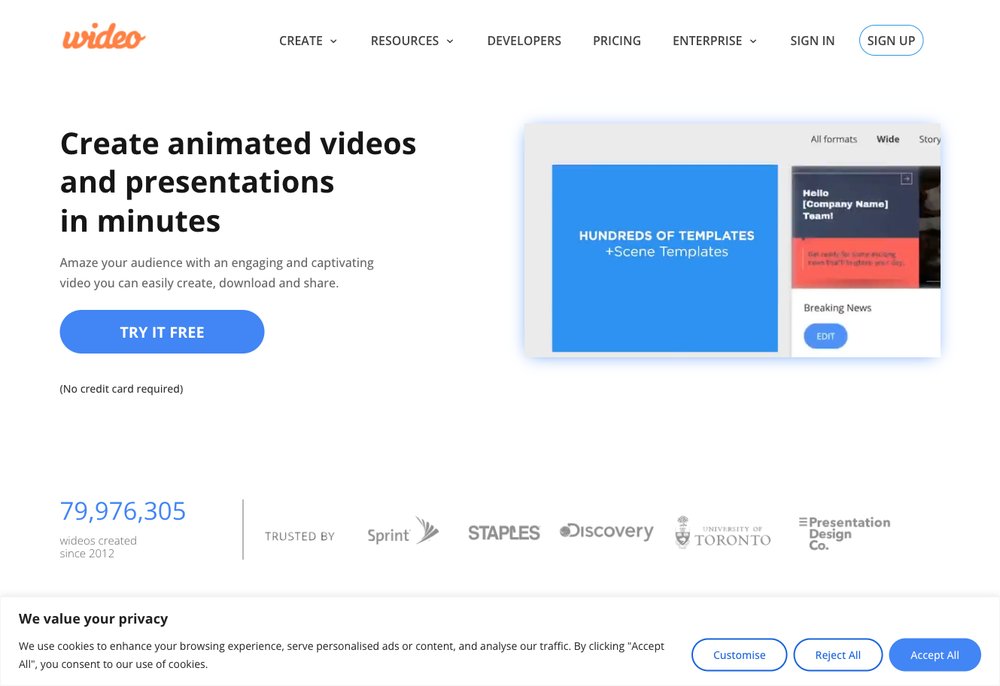
Video keeps dominating marketing, and Wideo makes creating it painless. With drag-and-drop tools and ready-made templates you can produce polished animated videos and presentations in minutes — no need to hire a dedicated video editor.
8. CoSchedule
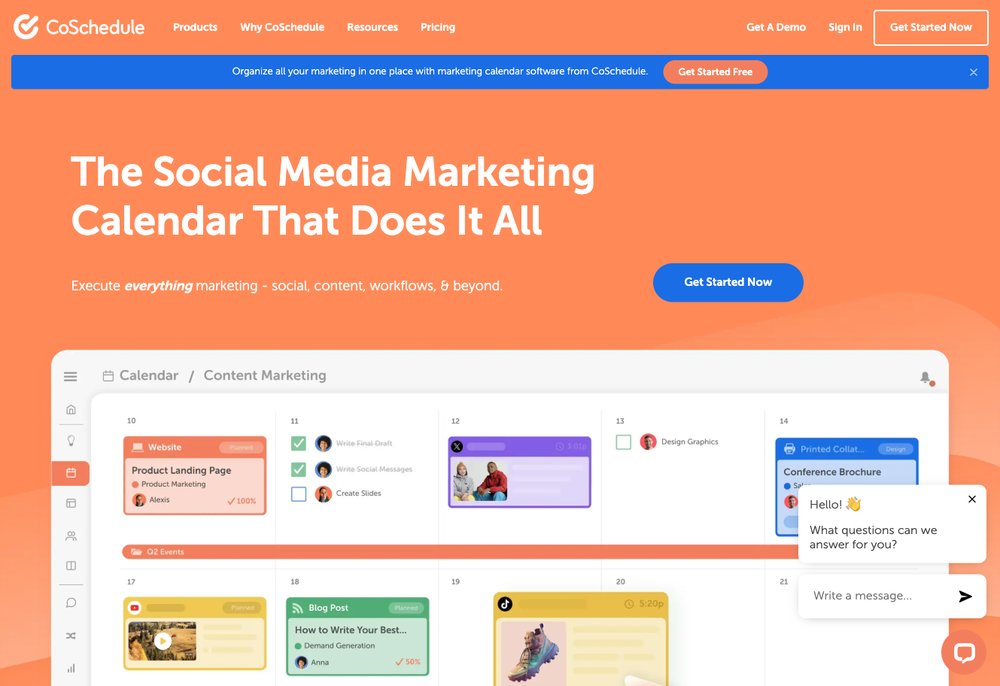
CoSchedule is a marketing calendar that brings all your content into one organised, visual schedule. Plan and publish across your blog and social channels, coordinate your team, and keep every campaign on track and on time.
9. Ahrefs
Ahrefs is a favourite of serious SEOs, renowned for the quality of its backlink index. Use it to research competitors, find the keywords they rank for, uncover link-building opportunities and audit your own site — then build a plan to outrank them.
Quick Comparison: Top Marketing Tools
| Tool | Category | Starting Price | Free Tier | Best Feature |
|---|---|---|---|---|
| Semrush | SEO / PPC | $139.95/mo | Limited free | All-in-one SEO + competitor data |
| Ahrefs | SEO | $129/mo | Webmaster Tools free | Backlink index quality |
| HubSpot | Email / CRM | $20/mo | Yes | Integrated CRM + automation |
| Hootsuite | Social | $99/mo | 30-day trial | Multi-network scheduling |
| Mailchimp | $13/mo | Up to 500 contacts | Easy templates + automations | |
| Google Ads Editor | PPC | Free | Yes | Bulk edits offline |
| Buffer | Social | $6/mo/channel | Yes (3 channels) | Simple scheduling UI |
| Moz Pro | SEO | $49/mo | Limited free tools | Domain Authority metric |
Frequently Asked Questions
Do I need one all-in-one tool or a stack of specialists?
Small teams usually benefit from one suite like Semrush or HubSpot to keep data and reporting in one place. Larger marketing teams tend to build a stack where each tool is best in class for its job, accepting more integration work in exchange for stronger capabilities.
Should I prioritize SEO or PPC first?
PPC delivers traffic immediately but stops the moment you pause the budget, while SEO takes months to build but compounds over time. A common approach is to run PPC for fast wins and brand testing while investing in SEO content and technical fixes for long-term ROI.
Is it better to hire an agency or build in-house?
Agencies give you access to senior specialists and tooling without hiring costs, which works well for smaller budgets or short-term projects. In-house teams offer deeper product knowledge and faster iteration, making them a better fit once monthly spend exceeds roughly $10,000 across channels.
How do I measure ROI from these tools?
Track cost per acquisition (CPA), customer lifetime value (LTV), and pipeline or revenue attribution via GA4, your CRM, and tool-native reporting. Tag every campaign with UTM parameters and compare tool cost to incremental revenue at least quarterly.
Are free tiers enough for a small business?
Free tools like Google Ads Editor, Mailchimp’s free plan, and limited Semrush or Ahrefs accounts can cover early-stage needs. Once you need competitor research at scale, automation, or multi-user access, paid plans quickly pay for themselves.
Conclusion
The best marketing stack is the one that fits your goals and budget. Start with the essentials — Google Analytics for data, Semrush or Ahrefs for SEO, Hootsuite for social and HubSpot for CRM and automation — then add specialists like CoSchedule or Wideo as you grow. Pair the right tools with a clear strategy and consistent execution, and you’ll achieve far more in far less time.