How Metal Buildings Are Changing the Face of Modern Retail Spaces
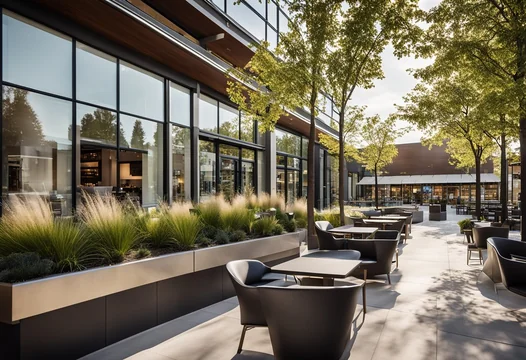
In recent years, metal buildings have emerged as a significant factor in the evolving landscape of modern retail spaces. Tailored to meet the rapid changes in consumer behavior, especially with the rise of e-commerce, these structures offer a host of advantages to businesses. The adaptability of metal buildings allows for quick construction and flexible design, which is crucial in a market where speed and responsiveness are key. Their durability and low maintenance add to the long-term cost savings for retailers.
Evolution of Metal Buildings in Retail
Architects and builders recommend metal building systems for retail spaces due to their durability and longevity. Furthermore, construction with metal is often faster than traditional methods, reducing both construction costs and time. Continuous innovation by metal building manufacturers has resulted in materials and designs that optimize energy efficiency. For instance, advanced insulation technologies contribute to significant energy savings for retailers.
The push towards sustainability in the retail industry has made metal buildings even more attractive. Due to their eco-friendly nature, they help retailers align with green building standards. Metal buildings can also be designed to harvest natural light, further reducing the need for artificial lighting and contributing to energy savings.
Lastly, the adaptability of metal buildings means retailers can reconfigure their spaces to accommodate changing business needs without significant structural changes. This level of flexibility is essential in the ever-evolving landscape of retail.
Impact on the Retail Landscape
Economic and Functional Benefits
Metal retail structures have revolutionized the economic aspect of building construction by offering low construction costs and easy maintenance, leading to enhanced profitability for retailers. For example:
- Cost Efficiency: On average, the cost of erecting a metal structure can be up to 30% less than traditional construction, with corresponding savings in long-term maintenance.
- Durability: Metal buildings, with proper treatment and paints, resist corrosion, reducing the need for frequent renovations.
Adapting to Change and Innovation
The COVID-19 pandemic demonstrated the need for adaptable retail spaces. Metal buildings suit this by:
- Flexibility: Their clear span design allows for easy internal reconfigurations to accommodate social distancing and other pandemic-related requirements.
- Technology Integration: They are readily equipped for technological enhancements such as advanced lighting and energy systems to optimize the retail environment.
Case Studies: Retail Spaces Rethought
Metal buildings have been used effectively across a range of retail types:
- Warehouses and Distribution Centers: E-commerce has increased the need for vast, sturdy storage facilities.
- Malls and Entertainment: New-age shopping centers designed with vast, open-concept metal structures cater to experiential retail.
Sustainable Practices and Future Outlook
The push for sustainability has made eco-friendly metal structures more appealing. They feature traits like:
- Energy Efficiency: Enhanced insulation options and solar-ready roofs lead to a reduction in emissions.
- Recyclability: Metal buildings are often made from recycled materials and can be fully recycled at the end of their lifecycle.
Building for Experience: Retailer and Customer Perspectives
Retailers and architects focus on designs that create memorable shopping experiences which include:
- Customer Experience: The use of large windows and ceilings creates an open and visually appealing environment.
- Retailer Flexibility: Metal structures offer expansive entryways and lighting options, giving stores both a functional advantage and an aesthetic edge.