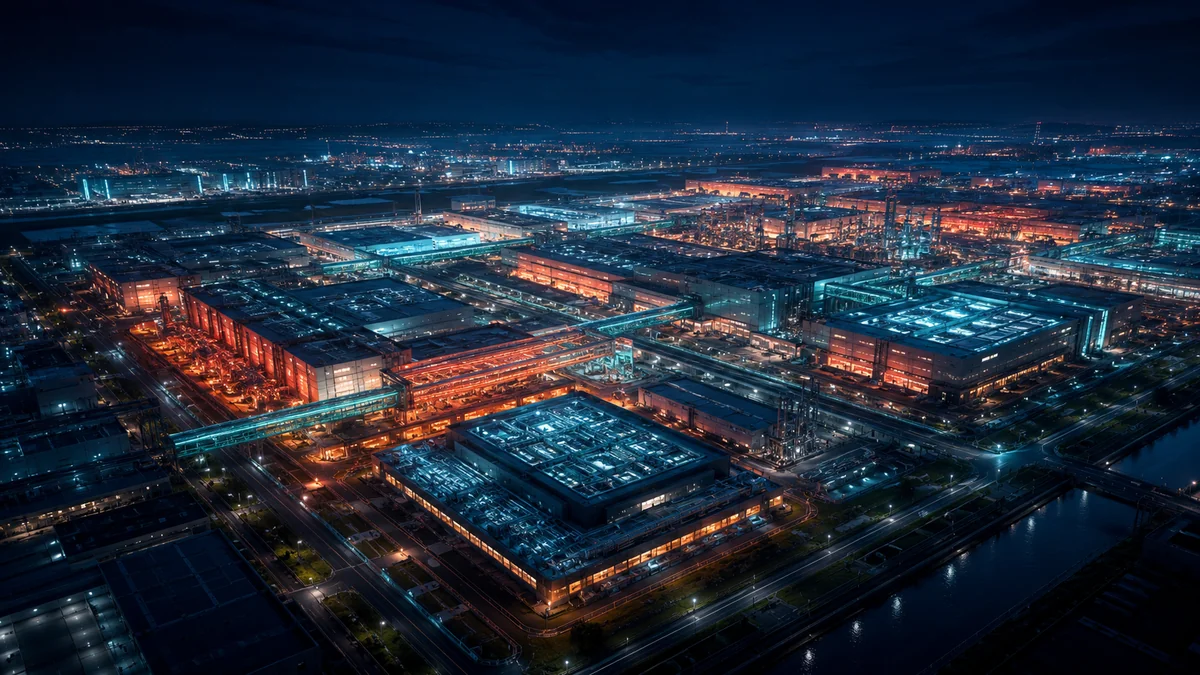
Every so often a number comes along that resets the scale of what's possible. This is one of them. Samsung Group is preparing to commit 1,000 trillion won — roughly $648 billion — over the next decade, in what would be the largest investment ever announced by a South Korean company.
Unveiled at a meeting with President Lee Jae Myung at the presidential office, the plan is more than a corporate capital budget. It's a national strategy to turn the global AI chip boom into a growth engine for the whole country — and a colossal wager that demand for AI hardware is only getting started.
The Headline Number
To grasp $648 billion: it's larger than the entire annual economic output of many mid-sized countries — pledged by one conglomerate, over ten years. The presidential office framed it as "three mega-projects," spanning semiconductors, artificial intelligence and Samsung's other strategic industries. Top executives from Samsung Electronics and SK Hynix attended the announcement, underlining that this is as much about Korea's national champions as about any single firm.
Where the Money Goes
While final figures may shift, reporting points to a clear shape for the spending:
| Area | Approximate amount |
|---|---|
| AI infrastructure (incl. data centres) | 350+ trillion won |
| New semiconductor complex (southwest Korea) | ~300 trillion won |
| Six chip fabrication plants in Yongin | ~60 trillion won |
| Batteries, displays & other | Remainder |
The throughline is unmistakable: this is overwhelmingly a bet on chips and AI. More than a third of the package goes straight into AI infrastructure, with the bulk of the rest building the fabs that will manufacture the memory and logic those data centres devour.
Why Now?
Timing is everything. Demand for AI chips is surging, and South Korea sits at the centre of it — the country dominates global production of high-end memory, the exact components AI data centres need by the millions. Samsung's move is a play to cement that lead before rivals expand, and to make sure the next decade of AI growth is built on Korean silicon.
It's also the flip side of a story we've been tracking: the same memory demand fueling this investment is what's pushing up prices on Macs, iPads and consoles. When AI's appetite for memory makes chips scarce and expensive, the companies that make those chips have every incentive to build more — fast.
Building the AI Backbone
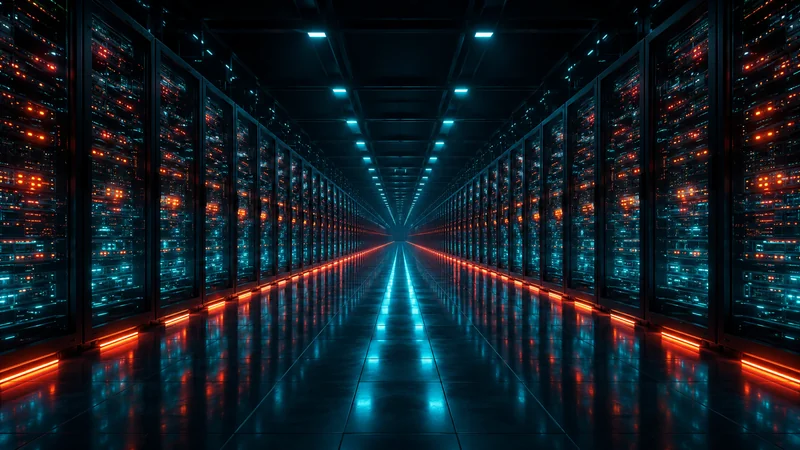
Strip away the politics and this is a story about physical infrastructure. Modern AI runs on staggering quantities of high-bandwidth memory (HBM) and advanced logic chips, and only a handful of companies on Earth can make them at scale. Samsung and SK Hynix are two of them.
The demand is so intense that SK Hynix is reportedly pulling forward fabs once slated for the 2040s into the mid-2030s. Read that again: factories planned for the next decade are being rushed forward by years. The $648 billion plan is, in effect, Samsung racing to pour the concrete and install the machines that the entire AI industry will run on.
The Push Beyond Seoul
There's a deliberate geographic strategy here too. Most of Korea's chip facilities are clustered around Seoul, which is now bumping against hard limits: power shortages, water scarcity and a tight labour market. President Lee has campaigned on balanced regional development, and this plan answers that call by steering major projects toward the southwest and other regions beyond the capital.
The goal is to spread jobs, innovation hubs and advanced manufacturing across the country — turning a handful of AI megaprojects into a nationwide economic lift, not just another cluster of buildings outside Seoul.
What It Means for Chip Prices
Here's the question everyone with a tech-buying budget is asking: will this make chips cheaper? Eventually — but not soon. More fabs do mean more memory supply down the line, which should ease the shortage currently inflating prices on phones, laptops and consoles.
The catch is time. Semiconductor fabs take years to build and bring online. So the crunch driving today's price hikes — the one even forcing a broader debate about whether AI spending has run too hot — will likely persist for a while yet. This investment is a fix for the back half of the decade, not for your next upgrade.
Why Investors Flinched
You'd expect a record investment to send the stock soaring. It didn't. On the reports, Samsung Electronics shares fell about 7% and Samsung SDI dropped roughly 5%.
The reason is the same anxiety hanging over the whole AI trade: capex versus returns. Committing this much capital — much of it upfront — squeezes near-term profits and cash flow. If AI demand stays red-hot, it'll look visionary. If it cools, $648 billion of half-built fabs becomes a very expensive problem. Investors, for now, are pricing in that risk rather than the reward.
Frequently Asked Questions
What is Samsung's $648 billion investment?
Samsung Group is pledging roughly 1,000 trillion won — about $648 billion — to be invested across South Korea over the next decade. Unveiled at a meeting with President Lee Jae Myung, it would be the largest investment commitment ever announced by a South Korean company, aimed at turning the AI-driven chip boom into a nationwide growth engine.
Where will the money go?
Reporting points to a rough split: around 300 trillion won for a new semiconductor complex in southwestern South Korea, about 60 trillion won for six chip fabrication plants in Yongin, and more than 350 trillion won for AI infrastructure including data centres — with the remainder going to batteries and displays. The presidential office has described it as 'three mega-projects.'
Why is Samsung investing so much now?
Demand for AI chips is exploding, and South Korea dominates the global supply of high-end memory that AI data centres depend on. Samsung wants to lock in that lead — and Seoul wants to convert the boom into jobs and growth across the country. Investing at this scale is a bet that AI demand stays strong enough to fill an enormous amount of new capacity.
How does this connect to the AI boom?
AI data centres consume vast quantities of high-bandwidth memory (HBM) and advanced logic chips, and Samsung and SK Hynix are among the few companies that make them at scale. SK Hynix is even pulling forward fabs once planned for the 2040s to the mid-2030s to keep up. The $648 billion plan is essentially Samsung building the physical backbone of the AI era.
Why focus on regions outside Seoul?
Most of Korea's chip facilities cluster around Seoul, which now faces power limits, water scarcity and labour shortages that cap further expansion. President Lee has pushed for balanced regional development, so the plan deliberately targets areas beyond the capital — especially the southwest — to spread jobs, innovation hubs and advanced manufacturing nationwide.
What does this mean for global chip supply and prices?
More fabs eventually means more memory, which could ease the shortage that's currently driving up prices on everything from phones to laptops. But these factories take years to build, so there's no quick relief — the supply crunch pushing device prices higher today will likely persist well before this new capacity comes online.
How did the market react to the news?
Cautiously. Despite the eye-watering headline figure, Samsung Electronics shares fell around 7% and Samsung SDI dropped about 5% on the reports. Investors worry that committing this much capital — much of it upfront — could squeeze profits and cash flow if AI demand cools, the same capex-versus-returns anxiety hanging over the whole sector.
Final Thoughts
Samsung's $648 billion plan is the kind of move that defines a decade. It's a statement that the company — and South Korea — intend to own the foundations of the AI age, not just participate in it. Build the fabs, make the memory, host the data centres, and the rest of the industry has to come to you.
But scale cuts both ways. The same boldness that could secure Korea's dominance also concentrates enormous risk on a single forecast: that AI demand keeps climbing. If it does, this will be remembered as a masterstroke. If the boom cools, it becomes the most expensive bet in the country's history. Either way, the AI era is now being poured in concrete — and Samsung just placed the biggest order yet. We'll keep tracking it.