Uber Is on Track to Spend $7.5B+ on Robotaxis and $2.5B on Equity Stakes in AV Makers
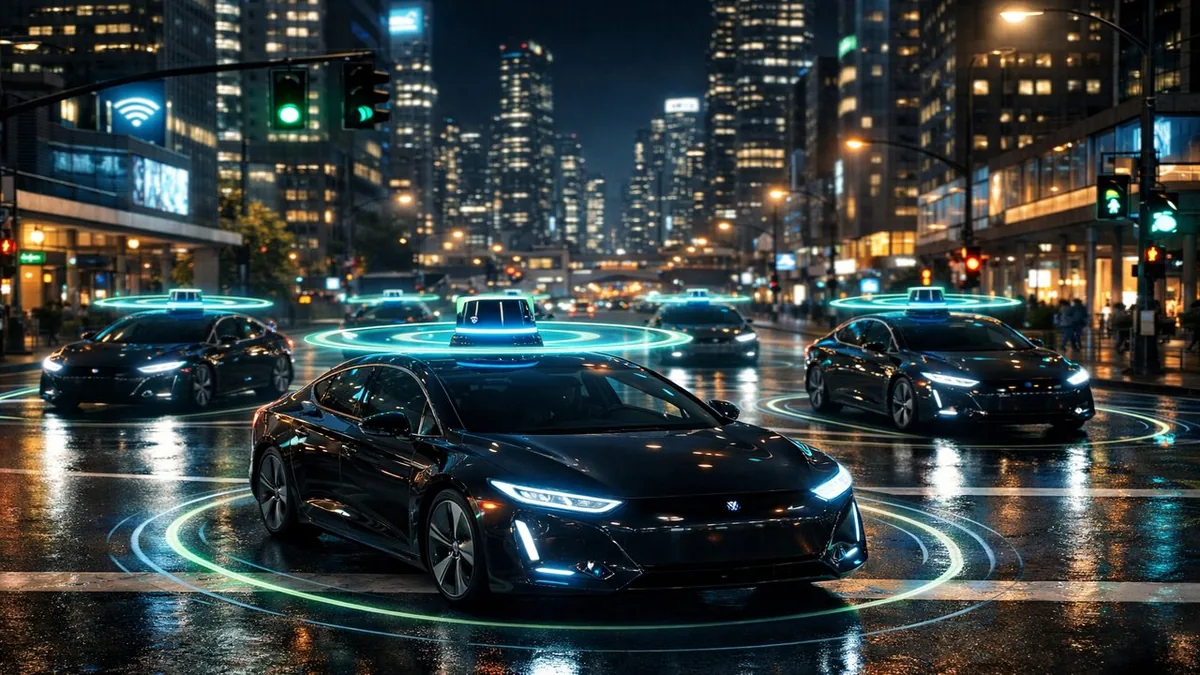
Uber is on track to spend more than $7.5 billion on thousands of robotaxis, plus an additional $2.5 billion in equity stakes in autonomous vehicle makers, according to sources and analyst estimates. The numbers reveal just how aggressively the ride-hailing giant is positioning itself for a world where its biggest cost — human drivers — disappears from the equation.
The Scale of Uber's Autonomous Investment
The $7.5 billion figure covers direct robotaxi procurement — essentially buying or ordering thousands of driverless vehicles from partners including Waymo, WeRide, and others. The separate $2.5 billion in equity investments gives Uber strategic stakes in the companies building the technology, creating alignment between Uber's commercial success and its partners' valuations.
Combined, that's $10 billion committed to a bet that autonomous vehicles will be commercially viable at scale within the next several years — a timeline that has slipped repeatedly over the past decade.
Why Now, Why This Scale
Several factors are converging that make 2026 different from prior autonomous vehicle hype cycles. Waymo's San Francisco and Phoenix deployments are generating real revenue. Regulation in key markets has become more permissive. And Nvidia's latest compute platforms have dramatically reduced the cost of the inference hardware that makes real-time autonomous driving possible.
For Uber, the strategic logic is compelling: driver earnings represent the single largest cost in its business model. Eliminating that cost while maintaining its network and demand aggregation advantages could make Uber extraordinarily profitable. The question is whether the technology gets there before the balance sheet feels the strain of the investment.
Competitive Pressure From All Sides
Uber isn't investing in robotaxis out of conviction alone — it's investing because the alternative is being disrupted. Waymo is already taking rides in multiple US cities without Uber's involvement. Tesla's Robotaxi ambitions, even if delayed, represent a potential direct competitor with massive scale advantages. And Chinese AV companies like WeRide and Pony.ai are expanding internationally.
If Uber doesn't own the infrastructure layer of autonomous mobility, it risks becoming a legacy app sitting on top of someone else's fleet.
The Risks Are Real
Autonomous vehicle technology remains technically challenging in edge cases, and regulatory approval varies wildly by city and country. A major safety incident with a partner's vehicle could set back Uber's entire autonomous strategy. The $10 billion commitment also assumes continued access to Nvidia hardware and stable AV partnerships — both subject to geopolitical and supply chain risks.
The Bottom Line
Uber's $10 billion robotaxi commitment is the company making its biggest bet since its founding: that the future of ride-hailing is driverless, and that Uber will be the platform running it. Whether the investment pays off depends on autonomous technology maturing faster than Uber's patience — and cash — runs out.
Related Articles
- Jane Street Takes $1B More in CoreWeave, Plans $6B Total
- Google DeepMind Unveils Gemini Robotics-ER 1.6
- Amazon Acquires Globalstar for $11.6 Billion