Amazon Acquires Satellite Operator Globalstar for $11.6 Billion in Deal Endorsed by Apple
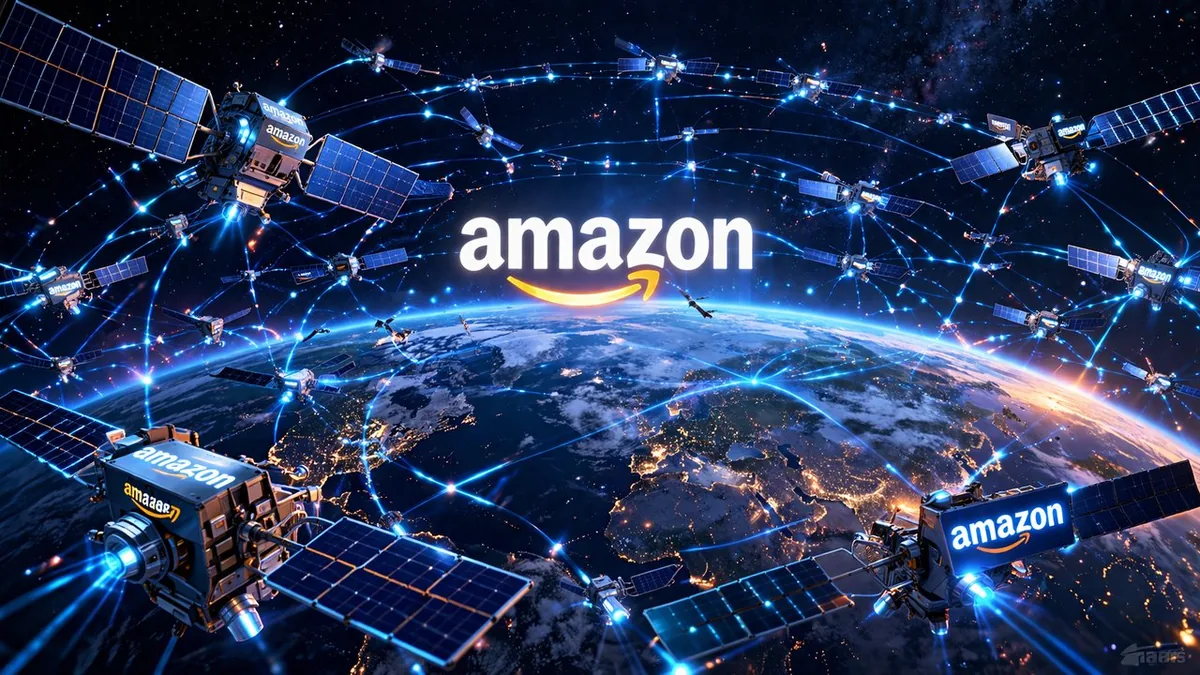
Amazon has agreed to acquire satellite operator Globalstar for approximately $11.6 billion in a deal that reshapes the competitive landscape for satellite connectivity. Apple — which holds roughly a 20% stake in Globalstar and currently uses its network to power iPhone emergency satellite features — has endorsed the transaction.
What Globalstar Brings to Amazon
Globalstar operates a Low Earth Orbit (LEO) satellite network that provides connectivity services globally. For Amazon, the acquisition directly strengthens its satellite internet ambitions, expanding orbital capacity and giving it infrastructure it would otherwise have to build from scratch. The deal is expected to close in 2027, pending regulatory approvals.
The Apple Connection
Apple's endorsement is a notable detail. iPhone's satellite emergency SOS and roadside assistance features rely on Globalstar's network. Apple reportedly sought a partner with "a proven track record" in infrastructure — and specifically one that wasn't SpaceX, whose Starlink would have created an uncomfortable dependency on a competitor. Amazon, with its AWS track record, fit the profile. The acquisition means Apple's satellite backend will now run under Amazon's ownership rather than staying with an independent operator.
Amazon vs. SpaceX in Space
Amazon's Project Kuiper — its own LEO satellite internet constellation — has been building toward competing with Starlink. Adding Globalstar's existing network and customer relationships accelerates that timeline significantly. Rather than waiting for Kuiper to reach full operational capacity, Amazon now has an established satellite operator with existing contracts, spectrum licenses, and ground infrastructure.
What This Means for Consumers
In the near term, iPhone satellite features should continue working as before. Longer term, the acquisition could mean Amazon integrates Globalstar's capabilities into Kuiper, creating a more competitive alternative to Starlink for both consumers and enterprise customers. The deal also signals that satellite connectivity is now firmly a major tech platform battleground — with Amazon, SpaceX, and to some extent Apple all holding significant positions.
The Bottom Line
Amazon's $11.6 billion Globalstar bet is a strategic move to accelerate its satellite ambitions and lock in Apple as a key infrastructure customer — all while avoiding ceding that ground to SpaceX. If Kuiper and Globalstar integrate smoothly, Amazon could emerge as a genuine Starlink rival within the next few years.
Related Articles
- Meta and Broadcom expand MTIA chip partnership
- Maine becomes first US state to ban new large data centers
- Global smartphone shipments fall 4.1% in Q1 2026