Best Fishing Kayaks Under $1000: 2026 Buyer's Guide
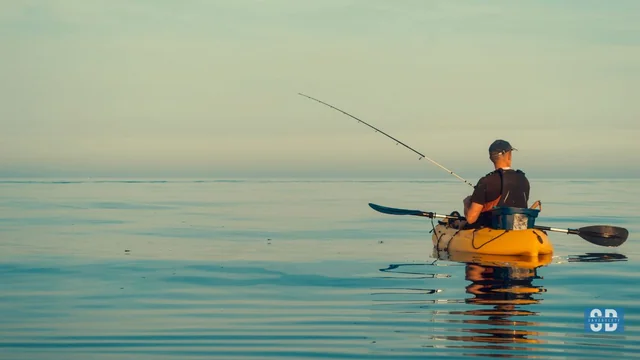
A fishing kayak gets you to water you can't reach from the bank: weed edges, small coves, creek mouths and flats too shallow for a boat. It's also quiet. With no engine running, you can drift close to fish without spooking them.
You don't need a premium pedal boat to start. This guide covers fishing kayaks that you can still find at or under about $1,000 as of October 2026, explains which features matter, and helps you choose between a hard-shell and an inflatable based on where you fish and where you'll store the kayak.
A note on prices: kayak prices have risen in the last few years. Some models that used to sell for well under $1,000 now list above it and only come into this budget during retailer sales. Each price below is an approximate range seen at retailers at the time of writing (October 2026). Check current pricing before you buy.
Why Choose a Fishing Kayak Under $1000?
Value and Performance
At around $500 to $1,000 you can get most of the features that matter for fishing:
- A framed or stadium-style seat that's comfortable for hours
- Flush-mount rod holders and accessory gear tracks
- A hull that's stable enough to stand on in calm water (on wider models)
- Front and rear tank wells for crates, coolers and tackle
- Weight capacity of roughly 250 to 440 pounds for single-seat boats
More expensive kayaks add pedal drives, motor integration, lighter materials and more refined seats. These are useful, but you don't need them to catch fish.
A Sensible Entry Point
If you're new to kayak fishing, a mid-priced paddle kayak lets you learn what you actually need before spending more. Well-known brands also tend to be easier to resell if you upgrade later.
Easier to Handle
The 10-foot boats in this range weigh roughly 54 to 64 pounds. That's still heavy, but one person can manage it with a cart and a roof rack. Many larger pedal kayaks weigh far more.
Money Left for Safety Gear
The money you save can go toward a paddling-specific life jacket, a decent paddle, an anchor system and a kayak cart. These items affect your safety and comfort as much as the boat does.
Key Features to Look For
Stability
Stability matters most in a fishing kayak, because you'll be casting, reeling and twisting in the seat.
Primary stability: how steady the kayak feels sitting flat on calm water. This matters most on ponds, small lakes and slow rivers.
Secondary stability: how steady it feels when leaned on edge. This matters in chop, current and when you're fighting a fish off to the side.
Wider hulls (around 33 to 36 inches) are generally more stable but slower. For fishing, most anglers accept that trade-off. If you want to stand and cast, look at the widest models on this list.
Comfort
Seat: look for a framed or raised seat, ideally with two height positions: high for visibility and casting, low for paddling in wind.
Footrests: adjustable foot braces help you paddle efficiently and brace when you hook a fish.
Cockpit space: taller paddlers should check the cockpit length and leg room, especially on 10-foot boats.
Storage
Tackle storage: look for tackle tray slots, side pockets or a center console within reach of the seat.
Rod holders: flush-mount holders behind the seat carry rods while you paddle. Gear tracks let you add adjustable holders in front of you.
Dry storage: a hatch or sealed console for keys, phone and wallet. No kayak hatch is guaranteed dry, so put valuables in a dry bag as well.
Tank wells: open wells with bungees hold a milk crate, cooler or bait bucket.
Weight Capacity
Add up your body weight, gear, cooler, electronics and any catch you keep. Then choose a kayak whose capacity is comfortably above that total. A kayak loaded near its limit sits lower in the water, paddles slower and feels less stable. Some manufacturers also list a lower "usable" capacity. Old Town, for example, rates the Sportsman 106 at 440 pounds total but 367 pounds usable for people and gear.
Tracking and Maneuverability
Tracking is how well the kayak holds a straight line. Maneuverability is how easily it turns. Longer kayaks (12 feet or more) track better and cover distance more easily. Shorter ones (around 10 feet) turn more easily, weigh less and are easier to store. A rudder, like the one included on the Vibe Sea Ghost 110, helps a shorter boat hold course in wind and current.
Propulsion
Every hard-shell kayak on this list is paddle-powered. Pedal drives and integrated motors usually cost well over $1,000. Some paddle kayaks can take an aftermarket trolling motor mount, but check the manufacturer's guidance first. For most beginners, a paddle kayak is enough.
Types of Fishing Kayaks
Sit-On-Top Kayaks
Most fishing kayaks under $1,000 are sit-on-tops. Their advantages:
- Easy to get on and off
- Self-draining through scupper holes, so water that comes over the side drains out
- Easier to climb back onto if you flip
- Open deck space for crates, rods and accessories
The downside is that you'll get wetter, so they suit warm weather and warm water best.
Sit-Inside Kayaks
Sit-inside kayaks have an enclosed cockpit that keeps you drier and warmer, and they're usually efficient to paddle. They're harder to re-enter after a capsize and have less deck space for fishing gear, so few dedicated fishing models are built this way.
Inflatable Kayaks
Inflatables suit people with no room for a 10-foot hard shell:
- They pack into a bag that fits in a closet or car trunk
- No roof rack needed
- Usually the cheapest way to get on the water
The trade-offs: they take time to inflate, they track and handle worse in wind than hard shells, and they're more vulnerable to hooks, rocks and oyster shells.
Hybrid and Recreational Kayaks
Some short, inexpensive kayaks are sold as recreational boats with a few fishing features added. They work for calm-water fishing and general paddling, but they usually have less storage and lower capacity than dedicated fishing kayaks.
The Best Fishing Kayaks Under $1000 in 2026
Each model below is still listed by retailers in October 2026, and its specifications come from manufacturer or retailer listings.
1. Perception Pescador Pro 12
Best all-rounder
The Pescador Pro 12 has long been a standard pick in this price range. Its 12-foot hull tracks better than the 10-footers here, so it's a good choice if you paddle longer distances on lakes or calm coastal water.
Specifications:
- Length: 12 feet
- Width: 32.5 inches
- Weight: 64 pounds
- Capacity: 375 pounds
- Removable, adjustable framed seat
- Two molded-in rod holders, gear tracks and fish finder console
- Large front and rear tank wells with bungee lashings
- Replaceable skid plate
Price: about $800 to $1,100 at the time of writing (October 2026). Many retailers list it at $999, with sale prices near $800.
Best for: anglers who want one versatile kayak for lakes, slow rivers and calm bays.
2. Vibe Sea Ghost 110
Best for wind and current
The Sea Ghost 110 comes with a pre-installed toe-controlled rudder, which is uncommon at this price. The rudder makes it easier to hold your line on windy days and in current.
Specifications:
- Length: 11 feet
- Width: 33 inches
- Hull weight: 62 pounds
- Capacity: 425 pounds
- Dual-position Vibe Hero seat
- Watertight Versa center console with mini hatches and magnetic tackle catch
- Two flush-mount rod holders and four integrated gear tracks
- Fish finder transducer port with protective lid
Price: about $1,000 at the time of writing (October 2026). Vibe lists it at $999.99, and some retailers charge more, so look for a sale.
Best for: anglers on open, wind-affected water and anyone who wants a transducer-ready kayak without extra rigging.
3. Old Town Sportsman 106
Best for stability and stand-up fishing
The Sportsman 106 is the widest single-seat kayak on this list. Old Town's DoubleU hull is designed as a stable platform for stand-up fishing, and the 10-foot-6 length keeps it compact enough to car-top.
Specifications:
- Length: 10 feet 6 inches
- Width: 34.5 inches
- Hull weight: 73 pounds (77 pounds fully assembled)
- Capacity: 440 pounds total, 367 pounds usable for people and gear
- Removable dual-layer Textilene mesh seat
- Oversized stern tank well, under-seat storage and side pockets below the accessory tracks
- Bow hatch
Price: about $1,000 at the time of writing (October 2026). Old Town lists it at $999.99, so it sits right at the top of this budget.
Best for: anglers who want to stand and sight-cast, and larger paddlers who want a wide, high-capacity hull.
4. Pelican Catch Classic 100
Best value for most beginners
The Catch Classic 100 is a lightweight, easy-to-store 10-foot fishing kayak that's wider than most boats its length.
Specifications:
- Length: 10 feet
- Width: 34 inches
- Weight: about 57 pounds
- Capacity: 350 pounds
- ERGOCAST Classic dual-position seat
- Built for smaller anglers who want a light, compact boat
Price: about $510 to $600 at the time of writing (October 2026). Pelican's list price is $599.99.
Best for: beginners, smaller paddlers and anyone who has to load a kayak alone. Some owner reviews say the secondary stability takes some getting used to, so practice leaning in calm water first.
5. Feelfree Moken 10 Lite V2
Best for solo transport
The Moken 10 Lite V2 has Feelfree's Wheel in the Keel, a built-in wheel at the stern that lets you roll the kayak to the water without a separate cart.
Specifications:
- Length: 10 feet 2 inches
- Width: 30.25 inches
- Weight: 59.6 pounds (without seat)
- Capacity: 250 pounds
- EZ Rider seat and Twist Lock footrests
- Front hinged hatch, center console and Uni-Track accessory rails
- Molded-in crate recess and fishing rod holders
Price: about $600 to $800 at the time of writing (October 2026).
Best for: lighter, smaller paddlers who fish alone. The 250-pound capacity is low, so add up your total load before you buy.
6. Lifetime Teton Angler 100
Best low-cost hard shell
This model replaces the Lifetime kayak in the previous version of this guide. The Teton Angler 100 is a basic 10-foot sit-on-top that includes a framed seat, which is unusual at this price.
Specifications:
- Length: 10 feet
- Width: 30.5 inches
- Weight: 53.5 pounds
- Capacity: 275 pounds
- Adjustable frame seat
- Two flush-mount rod holders and two 12-inch universal track sections
- Front and rear tank wells with six-point bungees
- Self-bailing scupper holes; 5-year limited warranty
Price: list price about $599 at the time of writing (October 2026).
Best for: occasional anglers on calm lakes and slow rivers who want a hard shell for as little as possible.
7. Intex Excursion Pro K2 (Inflatable)
Best for apartments and small storage spaces
If you don't have a garage or roof rack, an inflatable may be the only practical choice. The Excursion Pro K2 is a two-person inflatable made from laminate PVC with a polyester core, and it has fishing features built in.
Specifications:
- Length: 12 feet 7 inches inflated
- Width: about 36 to 37 inches
- Capacity: 400 pounds (two people)
- Two integrated recessed rod holders
- Removable mounting bracket for a fish finder, GPS or swivel rod holder
- Two removable skegs for deep and shallow water
- Includes aluminum oars (paddles) and a high-output pump
Price: about $300 to $400 at the time of writing (October 2026).
Best for: apartment dwellers, travelers, and anyone trying kayak fishing before buying a hard shell. Reviewers note that the seats aren't very supportive on long trips.
Comparison Chart
| Model | Length | Width | Weight | Capacity | Approx. Price (Oct 2026) | Best For |
|---|---|---|---|---|---|---|
| Perception Pescador Pro 12 | 12' | 32.5" | 64 lbs | 375 lbs | $800–$1,100 | All-round use |
| Vibe Sea Ghost 110 | 11' | 33" | 62 lbs (hull) | 425 lbs | ~$1,000 | Wind and current |
| Old Town Sportsman 106 | 10'6" | 34.5" | 73 lbs (hull) | 440 lbs | ~$1,000 | Stand-up fishing |
| Pelican Catch Classic 100 | 10' | 34" | ~57 lbs | 350 lbs | $510–$600 | Beginners, value |
| Feelfree Moken 10 Lite V2 | 10'2" | 30.25" | 59.6 lbs (no seat) | 250 lbs | $600–$800 | Solo transport |
| Lifetime Teton Angler 100 | 10' | 30.5" | 53.5 lbs | 275 lbs | ~$599 | Lowest-cost hard shell |
| Intex Excursion Pro K2 | 12'7" | ~36" | Inflatable | 400 lbs | $300–$400 | Apartments, travel |
Waterproofing, Noise and Storage: What Searchers Ask About
Waterproof Kayaks
Every hard-shell kayak here has a one-piece rotomolded polyethylene hull, so the hull itself won't leak. On a sit-on-top, though, water will splash onto the deck and drain out through the scuppers. What actually matters is dry storage for your gear. The Sea Ghost 110 has a watertight center console, and most of the others have a hatch or console. Use dry bags for phones, keys and wallets anyway.
Quiet Kayaks
A paddle kayak is about as quiet as fishing gets: no engine and no pedal drive noise. Hull design matters a little. Old Town says the Sportsman 106 hull glides quietly through the water. Your own habits matter more: dip the paddle gently, don't bang gear on the deck, use a stake-out pole in shallow water instead of dropping an anchor, and let wind or current carry you toward fish.
Kayaks for Small Apartments
A 10-foot hard shell needs a garage, shed, wall rack or balcony, and you'll need a way to get it in and out of the building. If you live in an apartment, an inflatable like the Intex Excursion Pro K2 packs into a bag that fits in a closet. Dry it fully before packing it away to prevent mildew.
"Organic" or "Natural" Kayaks
None of the fishing kayaks in this guide is made from natural or organic materials. The hard shells use polyethylene and the inflatable uses PVC laminate. If you want to reduce your environmental impact, buy a durable kayak you'll keep for years, look after it so it lasts, and consider buying a well-kept used boat.
Essential Fishing Kayak Accessories
Safety
Personal flotation device (PFD): wear a Coast Guard-approved life jacket designed for paddling.
Whistle and visual signal: required in many areas and essential in an emergency.
First aid kit: keep a small kit in a waterproof case.
Paddle float and bilge pump: self-rescue tools, especially useful away from shore.
Fishing Gear
Extra rod holders: mount them on the gear tracks so rods sit in front of you.
Fish finder: the Pescador Pro 12 and Sea Ghost 110 have built-in provisions for mounting one.
Anchor and trolley: a light anchor on a trolley lets you set your angle to wind or current.
Tackle organization: waterproof tackle trays and a milk crate in the rear tank well.
Comfort and Convenience
Paddle leash: stops a dropped paddle from drifting away.
Dry bags: for electronics, keys and spare clothing.
Hydration: carry more water than you think you need.
Kayak cart: very useful unless your kayak has a built-in wheel like the Moken.
Tips for Successful Kayak Fishing
Safety
Check the forecast: wind affects kayaks far more than boats. Have a plan for getting back if it picks up.
Leave a float plan: tell someone where you're launching and when you'll be back.
Dress for immersion: dress for the water temperature, not the air temperature.
Practice self-rescue: practice climbing back aboard in shallow, warm water before going farther out.
Fishing Techniques
Paddle with one hand: learn short corrective strokes while holding a rod.
Use a stake-out pole: in water a few feet deep, a stake-out pole holds you in place quietly.
Drift fish: let wind and current move you across productive water.
Approach quietly: keep splashing and noise to a minimum. Stealth is one of the main reasons to fish from a kayak.
Transport and Storage
Lift safely: lift with your legs, or use a cart and load from the back of the vehicle.
Secure transport: use proper kayak carriers and cam straps, plus bow and stern lines on longer trips.
Store correctly: keep the kayak off the ground, out of direct sun, and supported so the hull doesn't deform.
Rinse after use: rinse with fresh water, especially after saltwater, and check fittings regularly.
Kayak Fishing for Different Species and Environments
Freshwater
Bass: a wide, stable hull like the Sportsman 106 or Catch Classic 100 helps with standing casts. You'll also want room for several rods.
Trout and panfish: a short, light kayak handles small streams and ponds best.
Pike and muskie: longer hulls like the Pescador Pro 12 track better when you're covering water.
Saltwater
Inshore flats: wide, stable kayaks that float in shallow water suit redfish, seatrout and flounder.
Nearshore: choose higher capacity, good tracking and a hull that handles chop. Never go offshore alone or in a kayak you aren't fully comfortable with.
Surf launches: self-bailing sit-on-tops with good secondary stability are the only sensible choice.
Conditions
Wind: short, wide kayaks get pushed around. A rudder or a longer hull helps.
Currents and tides: plan trips so you paddle against the current on the way out and ride it home.
Cold water: wear immersion clothing and stay close to shore.
Maintenance and Care
Cleaning
Rinse after every trip: this is especially important after saltwater, to protect metal fittings and rudder hardware.
Clean periodically: use mild soap and water, and avoid harsh chemicals.
Dry before storage: drain hatches and dry inflatables fully to prevent mold and mildew.
Inspection and Repair
Check for damage: look for deep scratches, cracks, loose fittings and worn skid plates.
Fix problems early: use a repair kit made for your hull material. Inflatables need PVC patches.
Maintain moving parts: rinse and lubricate rudder cables and pivots with marine-grade lubricant.
Storage
Indoors is best: UV exposure is the main thing that ages polyethylene.
Support the hull: use wall cradles or straps that spread the weight.
Cover it outdoors: a UV-resistant cover protects the hull and seat.
Making Your Final Decision
Where you'll fish: for open lakes and coastal water, choose a longer hull or a rudder (Pescador Pro 12, Sea Ghost 110). For ponds and small rivers, choose a short, light boat (Catch Classic 100, Moken 10 Lite V2, Teton Angler 100).
How you'll store and transport it: if you have no garage or roof rack, an inflatable is the realistic choice.
Your size and strength: check capacity against your total load, and make sure you can lift or roll the boat on your own.
Try before you buy: many dealers hold demo days, and renting a similar kayak for a day will tell you a lot.
Watch for sales: several kayaks here sit right at the $1,000 mark, some retailers list them higher, and prices change through the season.
Frequently Asked Questions
What is the best fishing kayak under $1000 in 2026?
For most people, the Perception Pescador Pro 12 is the best all-rounder: 12 feet long, 375-pound capacity, about $800 to $1,100 at the time of writing (October 2026). If you want something cheaper and lighter, the Pelican Catch Classic 100 lists at about $599.99. If you fish in wind and can find it on sale, the Vibe Sea Ghost 110 comes with a rudder.
What is the best waterproof kayak under $1000?
All the hard-shell kayaks here have one-piece rotomolded polyethylene hulls, so the hull itself won't leak. On a sit-on-top, though, you and your deck gear will get splashed. What separates them is dry storage. The Vibe Sea Ghost 110 has a watertight center console, and most of the others have a hatch or console. Keep phones and keys in dry bags whichever kayak you choose.
What is the best quiet kayak for fishing under $1000?
Any paddle-powered kayak is quiet compared with motorized boats. Among these models, the Old Town Sportsman 106 is marketed with a hull that glides quietly and is stable enough to stand on for sight fishing. Paddling gently, stowing gear so it doesn't rattle, and using a stake-out pole instead of an anchor make a bigger difference than the hull.
What kind of kayak works best in a small apartment?
An inflatable. The Intex Excursion Pro K2 packs into a bag for closet storage, needs no roof rack, and cost about $300 to $400 at the time of writing (October 2026). A 10-foot hard shell like the Lifetime Teton Angler 100 only works if you have a balcony, storage unit or wall rack and can get it through the building.
Are there organic or natural-material fishing kayaks under $1000?
Not among the kayaks in this guide. The hard-shell fishing kayaks here are made of polyethylene, and inflatables like the Intex use PVC laminate. Buying a durable kayak and looking after it so it lasts for years is the more practical way to limit waste.
Can I stand up and fish from a kayak in this price range?
Yes, in calm water and on the wider models. The Old Town Sportsman 106 (34.5 inches wide) and the Pelican Catch Classic 100 (34 inches) are the best choices here for standing. Narrower kayaks around 30 inches wide, like the Moken 10 Lite V2 and Teton Angler 100, are better fished seated. Practice standing in shallow water first.