Best Smart Glasses to Buy in 2026: Features That Matter
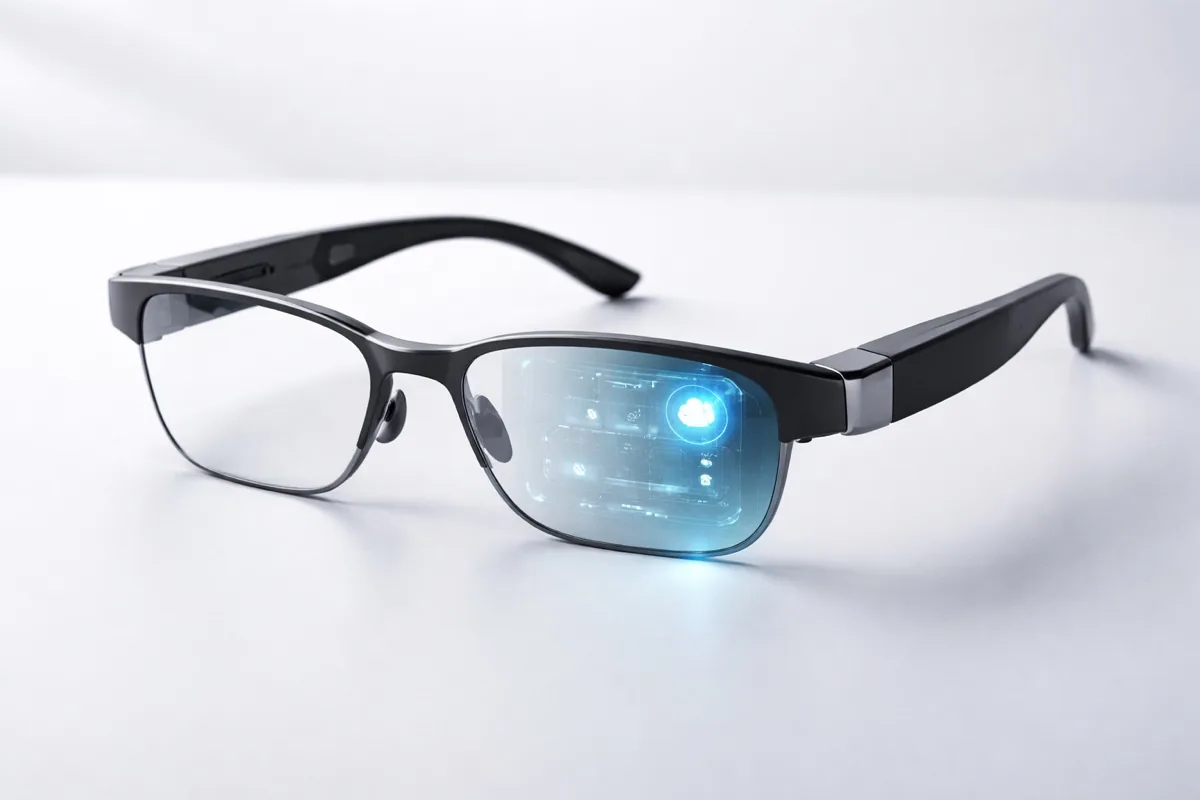
Smart glasses have gone from niche gadgets to genuinely useful wearables in 2026. Ray-Ban Meta sold over 7 million units in 2025, proving that people want cameras, AI assistants, and audio in their eyewear — as long as the glasses actually look good. With Apple's smart glasses expected by late 2026, the competition is intensifying.
We compared the top smart glasses based on camera quality, audio, AI features, battery life, design, and whether they are worth the investment over regular sunglasses with AirPods.
Quick Comparison: Best Smart Glasses 2026
| Glasses | Price | Camera | Battery | Best For |
|---|---|---|---|---|
| Ray-Ban Meta Gen 2 | $379 | 12MP, 3K video | ~8 hours | Best overall |
| Ray-Ban Meta Gen 1 | $299 | 12MP, 1080p video | ~4 hours | Budget entry |
| Ray-Ban Display | $800 | 12MP, 3K video | ~6 hours | In-lens display + AR |
| Solos AirGo 3 | $249 | No camera | ~10 hours | Audio + AI focus |
| Aventa Smart Glasses | $109 | Basic camera | ~5 hours | Budget alternative |
1. Ray-Ban Meta Gen 2 — Best Smart Glasses Overall
The Ray-Ban Meta Gen 2 is the undisputed leader in smart glasses. Starting at $379, you get 12-megapixel ultra-wide cameras shooting 3K video (up from 1080p on Gen 1), approximately 8 hours of battery life with the charging case, and Meta AI powered by LLAMA 4 built in.
The AI integration is the killer feature. Ask Meta AI to identify objects, translate signs, describe what you see, make calls, send messages, or get answers to questions — all hands-free through voice commands. The open-ear speakers deliver surprisingly good audio quality for calls and music without blocking ambient sound.
Design-wise, they look like regular Ray-Ban Wayfarer sunglasses. Most people cannot tell they are smart glasses, which solves the social awkwardness problem that killed Google Glass. Available in multiple frame styles and lens options including prescription.
2. Ray-Ban Display — Best for AR Features
The Ray-Ban Display at $800 adds an in-lens heads-up display to the Ray-Ban Meta platform. Notifications, navigation directions, and AI responses appear as a translucent overlay in your field of vision — like a teleprompter only you can see.
Control is through Meta's Neural Band, an EMG wristband that reads muscle signals from your forearm. Subtle finger gestures scroll through notifications and select options without touching the glasses or speaking. It is the closest thing to true AR glasses available in 2026.
The premium price limits appeal, but for early adopters and professionals who want hands-free information display, the Ray-Ban Display is genuinely futuristic.
3. Solos AirGo 3 — Best Audio-Only Smart Glasses
The Solos AirGo 3 at $249 skips the camera entirely and focuses on what many people actually want: great audio, AI assistant, and all-day battery. With 10 hours of battery life and directional open-ear speakers optimized for wind resistance, they are built for active use — cycling, running, and workouts.
Sweat-resistant design and interchangeable frames make them practical for fitness. ChatGPT integration provides AI responses through the speakers. If you want smart glasses without the privacy concerns of a built-in camera, the AirGo 3 is the best option.
4. Aventa Smart Glasses — Best Budget Option
The Aventa Smart Glasses at $109 offer similar core features to Ray-Ban Meta Gen 1 at a fraction of the price. The camera and audio quality are noticeably lower, and there is no Meta AI integration, but for basic photo/video capture and hands-free calling, they get the job done.
Aventa is the best choice for people curious about smart glasses who do not want to invest $300+ before knowing if they will actually use the features daily.
Apple Smart Glasses — What We Know (Coming Late 2026/2027)
Apple is reportedly testing four frame designs for its "N50" smart glasses, expected to launch in late 2026 or early 2027 at an estimated $400 to $500 price point. The first generation will not include a display or AR overlay — instead focusing on cameras, speakers, microphones, and Siri AI integration.
Apple's entry will intensify competition and likely drive Meta to improve their offerings. If you can wait, the Apple vs Meta comparison will be the defining smart glasses showdown of 2027.
Should You Buy Smart Glasses in 2026?
- Buy now if: You want hands-free photos/video, AI assistant, and audio — the Ray-Ban Meta Gen 2 delivers real utility today.
- Wait if: You want AR display features at a lower price. Apple's entry and Gen 3 Meta will likely push prices down and features up by 2027.
- Skip if: You only want audio — AirPods or bone conduction headphones are cheaper and sound better.
For the best smartphone to pair with your smart glasses, see our best phones under Rs 30K guide. For protecting your data captured by smart glasses, check our VPN services guide.
Frequently Asked Questions
Are Ray-Ban Meta smart glasses worth it?
Yes, if you value hands-free photo/video capture and an AI assistant. The Gen 2 at $379 offers genuinely useful features in glasses that look normal. They are particularly valuable for content creators, parents who want to capture moments without pulling out a phone, and anyone who uses voice AI daily. If you only want audio, regular earbuds are a better value.
Do smart glasses work with prescription lenses?
Ray-Ban Meta glasses support prescription lenses through Ray-Ban's lens customization options, including single vision, progressive, and reader lenses. You can order them with clear, sun, or transition lenses. The prescription option adds to the base price but makes them a true daily-wear device rather than just sunglasses.
Should I wait for Apple smart glasses?
If you are already invested in the Apple ecosystem and patient, waiting could be worthwhile. Apple's N50 glasses are expected in late 2026 or 2027 at $400 to $500. However, the first generation will likely lack a display and have fewer features than the mature Ray-Ban Meta Gen 2. If you want smart glasses now, Ray-Ban Meta is the proven choice.