Apple discontinues the iPod after 20 years
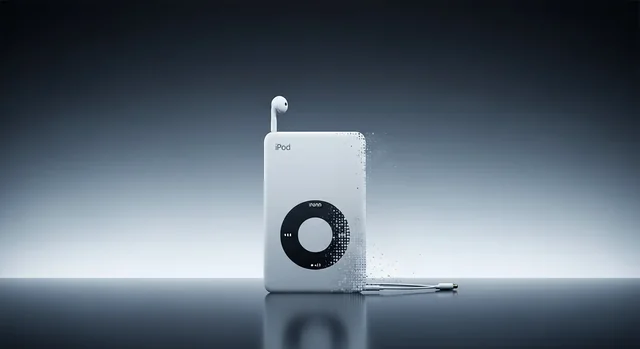
The End of an Era, But Not the Legacy: Remembering the Apple iPod (2001-2022)
While dedicated iPod production ceased in 2022 with the discontinuation of the iPod Touch, the impact of Apple's iconic music player continues to resonate throughout the tech landscape in 2025. The iPod wasn't just a gadget; it was a cultural phenomenon that revolutionized how we consume music and paved the way for the modern smartphone era. Let's delve into the 20-year history of this groundbreaking device, exploring its origins, evolution, and enduring legacy.
Steve Jobs' Vision and the October 2001 Launch
The story of the iPod begins with Steve Jobs' vision for a portable music player that could hold "1,000 songs in your pocket." In October 2001, Apple unveiled the original iPod, a device that, at the time, was revolutionary. Its sleek design, combined with its impressive storage capacity and intuitive user interface, quickly captured the attention of music lovers worldwide. The initial model featured a 5GB hard drive, a scroll wheel for navigation, and FireWire connectivity for fast music transfer. Priced at $399, it wasn't the cheapest option, but its convenience and capabilities made it highly desirable.
The Brains Behind the Innovation: Tony Fadell and Team
While Steve Jobs was the face of the iPod, the project was spearheaded by Tony Fadell, often referred to as the "father of the iPod." Fadell and his team were instrumental in developing the hardware and software that made the iPod such a success. Their focus on user experience, combined with their engineering expertise, resulted in a product that was both functional and aesthetically pleasing. Fadell later played a key role in the development of the iPhone, further solidifying his legacy in the tech industry.
Related: Audio-First AI Devices Signal the Next Big Tech Shift.
450 Million Units Sold: A Testament to Success
Over its two-decade run, Apple sold an estimated 450 million iPods, making it one of the most successful consumer electronics products of all time. This staggering number reflects the iPod's widespread appeal and its impact on the music industry. From students to professionals, people of all ages embraced the iPod as their go-to device for listening to music on the go.
The iTunes Revolution: Changing the Music Industry Forever
The iPod's success was inextricably linked to the rise of iTunes. Apple's digital music store provided a convenient and legal way for users to purchase and download music. This was a game-changer for the music industry, which had been struggling to adapt to the rise of digital piracy. iTunes not only helped to combat piracy but also created a new revenue stream for artists and record labels. While streaming services like Apple Music and Spotify dominate the music landscape in 2025, iTunes laid the foundation for the digital music revolution.
The Evolution of the iPod: A Model-by-Model Retrospective
The iPod family expanded over the years, with Apple introducing a variety of models to cater to different needs and preferences. Here's a look at the key models:
Related: Best Headphones Under Rs.4000 in 2025: Ultimate Buying Guide.
iPod Classic: The Original and the King
The iPod Classic (originally just "iPod") was the flagship model. It went through several iterations, with each version offering increased storage capacity and improved features. The Classic was known for its large storage capacity, making it ideal for users with extensive music libraries. The final iPod Classic, released in 2007, boasted a massive 160GB hard drive.
iPod Mini: Smaller Size, Big Impact
Released in 2004, the iPod Mini was a smaller, more compact version of the iPod Classic. It featured a click wheel for navigation and was available in a range of colors. The Mini was particularly popular with users who wanted a more portable music player. It was eventually replaced by the iPod Nano.
iPod Nano: Sleek and Stylish
The iPod Nano went through several redesigns over its lifespan, ranging from a tall, thin device to a small, square one with a touchscreen. The Nano was known for its sleek design and its focus on portability. It was a popular choice for fitness enthusiasts, as it could easily be clipped to clothing.
See also: Audio-First AI and the Quiet End of Screen Dominance.
iPod Shuffle: Simplicity at Its Finest
The iPod Shuffle was the most affordable and simplest iPod model. It had no screen and relied on shuffle playback. Its small size and clip-on design made it ideal for workouts and other activities where portability was paramount. While its simplicity was its strength, it also limited its functionality.
iPod Touch: The iPhone Without the Phone
The iPod Touch was essentially an iPhone without the cellular connectivity. It featured a touchscreen, Wi-Fi connectivity, and access to the App Store. The iPod Touch was popular with users who wanted an iPhone-like experience but didn't want to pay for a phone plan. It also found a niche among gamers and younger users. The final iPod Touch, the 7th generation, was released in 2019 and discontinued in 2022.
iPod Models Comparison Table
| Model | Release Date | Key Features | Storage Capacity | Original Price (USD) |
|---|---|---|---|---|
| iPod Classic (1st Gen) | October 2001 | Scroll wheel, FireWire connectivity | 5GB | $399 |
| iPod Mini (1st Gen) | February 2004 | Click wheel, smaller size | 4GB | $249 |
| iPod Nano (1st Gen) | September 2005 | Click wheel, flash memory | 1GB, 2GB, 4GB | $199, $249 |
| iPod Shuffle (1st Gen) | January 2005 | No screen, shuffle playback | 512MB, 1GB | $99, $129 |
| iPod Touch (1st Gen) | September 2007 | Touchscreen, Wi-Fi connectivity | 8GB, 16GB, 32GB | $299, $399, $499 |
| iPod Classic (6th Gen - Final) | September 2007 | Large storage capacity, click wheel | 80GB, 120GB, 160GB | $249, $249, $349 |
| iPod Touch (7th Gen - Final) | May 2019 | A10 Fusion chip, Retina display | 32GB, 128GB, 256GB | $199, $299, $399 |
How the iPhone Cannibalized the iPod
The rise of the iPhone played a significant role in the iPod's decline. As smartphones became more powerful and versatile, they began to incorporate features that were previously exclusive to dedicated music players. The iPhone, with its ability to play music, browse the web, and run apps, effectively cannibalized the iPod's market share. Consumers no longer needed to carry a separate device for listening to music when their smartphone could do it all.
Learn more in our article about Netflix Podcasts Push: Why Video Audio Is the Next TV Shift.
The iPod's Legacy in Modern Apple Devices
While the iPod may be gone, its legacy lives on in modern Apple devices. The iPod's influence can be seen in the design and functionality of the iPhone, iPad, and Apple Watch. Apple's commitment to user experience, which was honed during the iPod era, continues to be a defining characteristic of its products. Furthermore, Apple Music, the company's streaming service, is a direct descendant of iTunes, carrying on the iPod's tradition of providing access to a vast library of music.
The Collector's Market for Vintage iPods in 2025
Despite its discontinuation, the iPod remains a popular item among collectors. Vintage iPods, particularly those in good condition and with original packaging, can fetch significant prices on the secondary market. The first-generation iPod, the iPod Mini, and the limited-edition iPods are particularly sought after. While prices fluctuate, some rare models can sell for hundreds or even thousands of dollars. The nostalgia factor, combined with the iPod's historical significance, makes it a desirable collectible for tech enthusiasts.
In 2025, the market for vintage iPods is stable. Demand is still there from nostalgic users, but the hype from 2022-2023 has died down. Prices are holding relatively steady, with pristine, boxed first-generation iPods still commanding the highest prices. More common models, like the later iPod Classic versions and the iPod Nano, are readily available but don't fetch as much unless they are in exceptional condition.
Learn more in our article about 3 Best Free Online Music Library Storage Sites.
Frequently Asked Questions (FAQ) About the iPod
- Why did Apple discontinue the iPod? Apple discontinued the iPod because the functionality of dedicated music players was largely absorbed by smartphones, particularly the iPhone. The market for standalone music players diminished significantly.
- Are iPods still usable in 2025? Yes, many iPods are still usable. iPods that rely on local music files will continue to function as long as the hardware remains in good condition. However, features that require internet connectivity, such as accessing the iTunes Store on older models, may no longer work.
- How much are vintage iPods worth? The value of vintage iPods varies greatly depending on the model, condition, and rarity. First-generation iPods in pristine condition with original packaging can fetch hundreds or even thousands of dollars. More common models are generally worth less.
- Can I still transfer music to my iPod in 2025? Yes, you can still transfer music to most iPod models using iTunes or other compatible software. However, the process may vary depending on the model and your computer's operating system.
- Does Apple still repair iPods? As of 2025, Apple no longer officially repairs most iPod models, as they are considered vintage or obsolete products. However, third-party repair services may still be available.
- What is the best iPod for collectors? The first-generation iPod is highly sought after by collectors due to its historical significance. Limited-edition models, such as the U2 iPod, are also popular.
- Can I use streaming services on an iPod? The iPod Touch was the only iPod model that supported streaming services, as it had Wi-Fi connectivity and access to the App Store. Older models that rely on local music files cannot directly access streaming services.
- What is the battery life like on older iPods in 2025? The battery life of older iPods will likely be significantly reduced compared to when they were new. Batteries degrade over time, so you may need to replace the battery if you want to use your iPod for extended periods.
- Are there any new music players available in 2025 that offer a similar experience to the iPod? While dedicated music players are less common, some companies still offer high-resolution audio players that cater to audiophiles. These devices often feature advanced audio processing and support for lossless audio formats. Some modern MP3 players are available on Amazon and other retailers.
- How can I identify which iPod model I have? You can identify your iPod model by checking the model number on the back of the device or in the settings menu (if applicable). You can then search online for the model number to find more information about your iPod.
The Enduring Appeal of the iPod
Even in 2025, the iPod holds a special place in the hearts of many. It was more than just a music player; it was a symbol of innovation, simplicity, and the digital music revolution. While its physical form may be gone, its spirit lives on in the devices we use every day. The iPod taught us how to carry our entire music library in our pocket and shaped the way we consume music in the digital age. Its legacy will continue to inspire and influence the tech industry for years to come.