Advantages of Using Air Filtration System for your Home
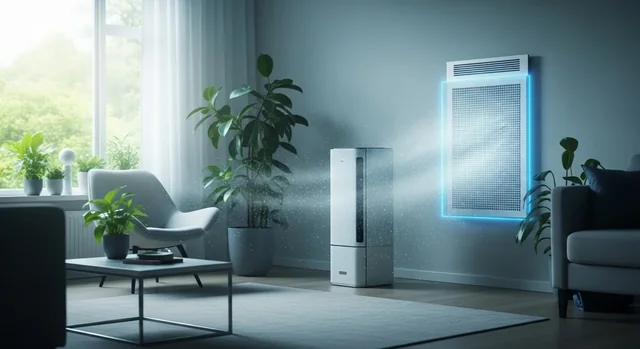
2025 Home Air Filtration Guide: Breathe Easier, Live Healthier
In 2025, the importance of clean indoor air is more critical than ever. With increasing pollution levels and the growing awareness of airborne allergens and pathogens, a home air filtration system is no longer a luxury but a necessity. This comprehensive guide will walk you through everything you need to know about choosing, using, and maintaining the best air filtration system for your home.
Why Invest in a Home Air Filtration System in 2025?
Indoor air can be significantly more polluted than outdoor air. Common culprits include dust mites, pet dander, mold spores, pollen, volatile organic compounds (VOCs) from cleaning products and furniture, and even smoke from cooking. These pollutants can trigger allergies, asthma, and other respiratory issues. A good air filtration system can significantly reduce these risks and improve your overall health and well-being.
Health Benefits of Clean Air
- Reduced Allergy Symptoms: Air purifiers remove allergens like pollen, dust mites, and pet dander.
- Asthma Relief: Filtering out irritants can minimize asthma attacks.
- Improved Sleep Quality: Cleaner air can lead to better sleep by reducing nighttime congestion and discomfort.
- Protection from Airborne Diseases: HEPA filters can capture viruses and bacteria, reducing the risk of infection.
- Odor Elimination: Activated carbon filters can remove unpleasant smells from pets, cooking, and smoke.
- Reduced Exposure to VOCs: Special filters can trap harmful chemicals released from furniture, paints, and cleaning products.
Understanding Air Filtration Technologies
Several air filtration technologies are available, each with its strengths and weaknesses. Here's a breakdown of the most common types:
Related: Heart Health Checks You Can Do at Home: Simple Signs That Matter.
HEPA Filters: The Gold Standard
HEPA (High-Efficiency Particulate Air) filters are the industry standard for removing airborne particles. To qualify as HEPA, a filter must capture at least 99.97% of particles 0.3 microns in diameter. This includes dust, pollen, mold spores, pet dander, and even some viruses and bacteria. In 2025, HEPA filters remain the most effective and widely recommended option for particle removal.
Activated Carbon Filters: Tackling Odors and Gases
Activated carbon filters are excellent at removing odors, smoke, and volatile organic compounds (VOCs). They work by adsorbing these substances onto their porous surface. Carbon filters need to be replaced regularly as they become saturated.
UV-C Light: Disinfection Power
UV-C light can kill bacteria, viruses, and mold spores. However, it's crucial to note that UV-C light is only effective when the air passes directly through the light. It doesn't remove particles like HEPA filters do, so it's often used in conjunction with other filtration methods. There is some debate on the effectiveness of UV-C light in consumer air purifiers, so consider it as an added bonus rather than the primary filtration method.
Electrostatic Precipitators: A Controversial Option
Electrostatic precipitators use an electrical charge to attract and trap particles. While they can be effective, they also produce ozone, a lung irritant. In 2025, it's generally recommended to avoid air purifiers that generate ozone.
Ionic Air Purifiers: Another Ozone Risk
Ionic air purifiers release negatively charged ions into the air, which attach to particles and cause them to fall to the ground or cling to surfaces. Like electrostatic precipitators, they can produce ozone and are therefore not recommended.
Portable vs. Whole-House Air Filtration Systems
Choosing between a portable air purifier and a whole-house system depends on your needs and budget.
For more details, check out our guide on Are Over-The-Counter Diet Pills As Effective As Prescription Weight Loss Pills?.
Portable Air Purifiers
Portable air purifiers are ideal for smaller spaces like bedrooms, living rooms, or offices. They are relatively inexpensive and easy to move from room to room. When choosing a portable air purifier, consider the room size and the Clean Air Delivery Rate (CADR).
Whole-House Air Filtration Systems
Whole-house systems are integrated into your HVAC system and filter the air throughout your entire home. They are more expensive to install but provide comprehensive air purification. These systems often use MERV (Minimum Efficiency Reporting Value) ratings to indicate filter efficiency. Look for filters with a MERV rating of 13 or higher for effective particle removal.
Understanding CADR Ratings: Clean Air Delivery Rate
CADR is a crucial metric for evaluating the performance of a portable air purifier. It measures the volume of clean air that the purifier delivers per minute. The higher the CADR, the faster the purifier can clean a room. CADR ratings are typically listed for three pollutants: dust, pollen, and smoke. Choose an air purifier with a CADR appropriate for the size of the room you want to purify.
To determine the right CADR for your room, use the following formula:
Room Size (square feet) x Ceiling Height (feet) / 60 minutes = Minimum CADR
See also: Home Health Care: Efficient As A Hospital Or SNF.
For example, a 200 square foot room with an 8-foot ceiling would require a minimum CADR of (200 x 8) / 60 = 26.67. Round up to 27 CADR.
Air Purifier Buying Guide: Finding the Right Fit for You in 2025
What to Look For: Key Features
- Filter Type: HEPA filter for particle removal, activated carbon filter for odors and gases.
- CADR Rating: Ensure it's appropriate for your room size.
- Room Size Coverage: Check the manufacturer's specifications.
- Noise Level: Consider the noise level, especially for bedrooms. Look for models with a "sleep mode."
- Filter Replacement Schedule: Understand the filter replacement schedule and cost.
- Energy Efficiency: Look for Energy Star-certified models.
- Smart Features: Some air purifiers offer smart features like app control, air quality monitoring, and automatic mode adjustment.
Budget Tiers and Recommendations (2025 Pricing)
Entry-Level ($100 - $200)
These air purifiers are suitable for small rooms and offer basic HEPA filtration. Expect lower CADR ratings and fewer features.
- Levoit Core 300S: A popular budget-friendly option with a HEPA filter and activated carbon filter. Suitable for rooms up to 219 sq ft.
- GermGuardian AC4825E: A basic air purifier with a HEPA filter, activated carbon filter, and UV-C light. Suitable for small rooms.
Mid-Range ($200 - $400)
Mid-range air purifiers offer better performance, larger room coverage, and additional features like smart controls and advanced filtration.
- Coway Airmega 200M: A well-regarded air purifier with a HEPA filter and activated carbon filter. Suitable for rooms up to 361 sq ft.
- Blueair Blue Pure 211i Max: A stylish and effective air purifier with a washable pre-filter, HEPA filter, and activated carbon filter. Suitable for rooms up to 540 sq ft.
High-End ($400+)
High-end air purifiers provide the best performance, largest room coverage, advanced filtration technologies, and smart features.
Learn more in our article about 7 Golden Rules For Men’s Health.
- Dyson Purifier Cool Formaldehyde TP09: A high-end air purifier with a HEPA filter, activated carbon filter, and catalytic filter that destroys formaldehyde. It also functions as a fan and has smart features.
- Rabbit Air MinusA2: A customizable air purifier with a HEPA filter, activated carbon filter, and various optional filters for specific needs. Suitable for large rooms.
Top Picks by Category (2025)
- Best Overall: Coway Airmega 400S
- Best for Allergies: Blueair HealthProtect 7470i
- Best for Smoke: Winix HR9000 Ultimate Pet Air Purifier
- Best for Large Rooms: Rabbit Air MinusA2
- Best for Small Rooms: Levoit Core 300S
- Best Smart Air Purifier: Dyson Purifier Cool Formaldehyde TP09
- Best Budget Air Purifier: GermGuardian AC4825E
Common Mistakes to Avoid
- Ignoring CADR Ratings: Choosing an air purifier with an inadequate CADR for your room size.
- Neglecting Filter Maintenance: Failing to replace filters regularly, reducing their effectiveness.
- Buying Ozone Generators: Opting for air purifiers that produce ozone, which can be harmful.
- Overlooking Room Size: Purchasing an air purifier that's too small for the intended space.
- Ignoring Noise Levels: Selecting a noisy air purifier that disrupts sleep or work.
- Not Considering VOCs: Failing to choose an air purifier with an activated carbon filter if you're concerned about VOCs.
- Placing the Air Purifier Incorrectly: Position the air purifier in a location where it can effectively circulate air throughout the room.
Maintaining Your Air Filtration System
Regular maintenance is crucial for ensuring your air filtration system operates effectively. This includes:
Filter Replacement Schedules
Follow the manufacturer's recommendations for filter replacement. HEPA filters typically need to be replaced every 6-12 months, while activated carbon filters may need more frequent replacement (every 3-6 months). Pre-filters should be cleaned monthly to extend the life of the other filters.
Cleaning the Air Purifier
Regularly clean the exterior of the air purifier with a damp cloth. Vacuum the pre-filter to remove dust and debris.
Monitoring Air Quality
Consider using an air quality monitor to track the effectiveness of your air filtration system. This can help you determine when to replace filters or adjust settings.
Addressing Specific Concerns
Reducing Gas Stove Pollution
Gas stoves can release harmful pollutants like nitrogen dioxide and carbon monoxide. While air purifiers with activated carbon filters can help, the best solution is to improve ventilation by using a range hood while cooking.
Avoiding Ozone Generators
As mentioned earlier, ozone generators are not recommended. Ozone is a lung irritant and can worsen respiratory problems. Stick to air purifiers with HEPA and activated carbon filters.
See also: How Pets are Good for Our Mental Health.
Air Purifier Comparison Table (2025)
| Air Purifier | Room Size (sq ft) | CADR (Dust/Pollen/Smoke) | Filter Type | Noise Level (dB) | Price (USD) |
|---|---|---|---|---|---|
| Levoit Core 300S | 219 | 129/145/118 | HEPA, Activated Carbon | 24-50 | $99 |
| Coway Airmega 200M | 361 | 240/246/233 | HEPA, Activated Carbon | 24-53 | $229 |
| Blueair Blue Pure 211i Max | 540 | 350/350/350 | HEPA, Activated Carbon | 23-56 | $299 |
| Dyson Purifier Cool Formaldehyde TP09 | 800 | N/A | HEPA, Activated Carbon, Catalytic | 43-56 | $699 |
| Rabbit Air MinusA2 | 815 | 200/200/200 | HEPA, Activated Carbon, Customizable | 25.6-51.3 | $549 |
FAQ: Your Air Filtration Questions Answered (2025)
- What is the most important feature to look for in an air purifier?
A HEPA filter is the most critical feature for removing airborne particles. - How often should I replace my air purifier filters?
Follow the manufacturer's recommendations, typically every 6-12 months for HEPA filters and 3-6 months for activated carbon filters. - Are ozone generators safe to use?
No, ozone generators are not safe and can be harmful to your health. Avoid them. - Can an air purifier help with allergies?
Yes, air purifiers with HEPA filters can significantly reduce allergy symptoms by removing allergens like pollen, dust mites, and pet dander. - What is a CADR rating, and why is it important?
CADR (Clean Air Delivery Rate) measures the volume of clean air an air purifier delivers per minute. Choose an air purifier with a CADR appropriate for your room size. - Can air purifiers remove viruses and bacteria?
HEPA filters can capture some viruses and bacteria, but UV-C light can kill them. Look for air purifiers that combine both technologies. - Do I need an air purifier if I have central air conditioning?
Central air conditioning systems typically have basic filters that may not be as effective as a dedicated air purifier with a HEPA filter. Consider a whole-house air filtration system or portable air purifiers for specific rooms. - Can air purifiers remove smoke from wildfires?
Air purifiers with HEPA and activated carbon filters can help remove smoke particles and odors from wildfires. Choose a model with a high CADR. - Are smart air purifiers worth the extra cost?
Smart air purifiers offer convenient features like app control, air quality monitoring, and automatic mode adjustment, which can be beneficial for some users. - How should I position my air purifier for optimal performance?
Place the air purifier in a central location in the room, away from obstructions, to allow for optimal air circulation.
Conclusion: Breathe Easier in 2025
Investing in a home air filtration system is a smart choice for improving your health and well-being. By understanding the different types of filters, CADR ratings, and maintenance requirements, you can choose the right system for your needs and enjoy cleaner, healthier air in your home in 2025. Remember to prioritize HEPA filtration, avoid ozone generators, and maintain your system regularly for optimal performance.