YouTube Launches AI Avatars for Shorts: Create a Digital You From a Selfie
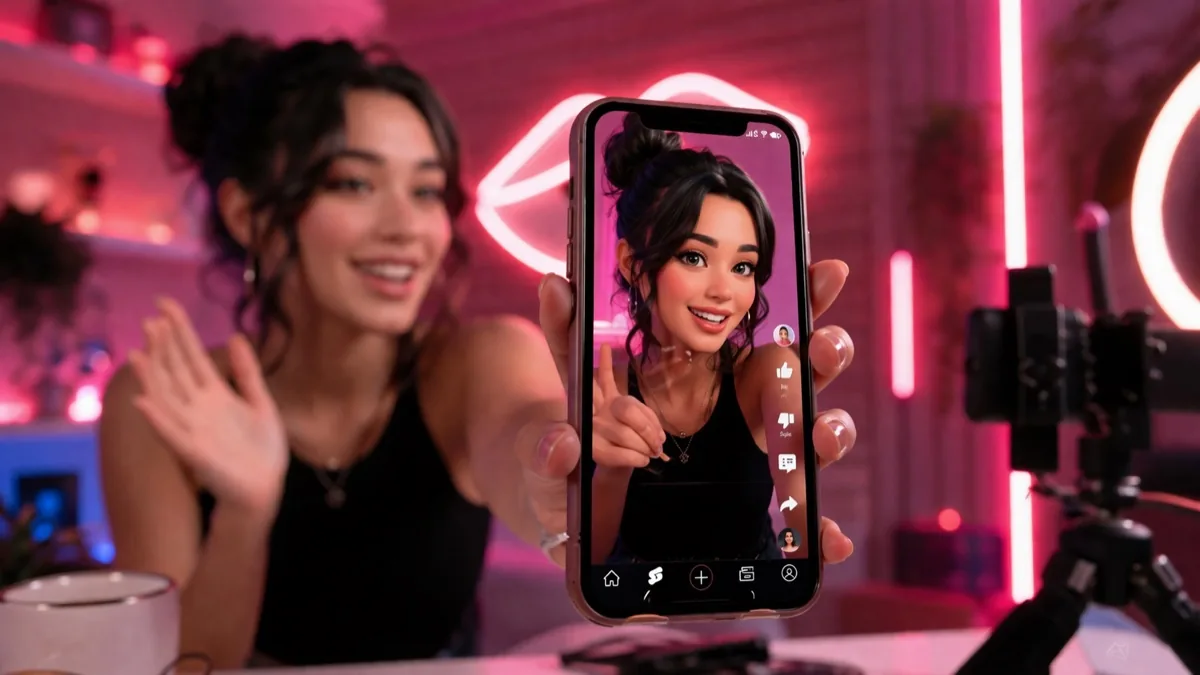
YouTube just gave creators a superpower. A new Shorts feature lets you generate a photorealistic AI avatar of yourself using nothing more than a "live selfie" recording of your face and voice. The technology is powered by Google's Veo video generation model, and it could fundamentally change how creators produce content.
How It Works
The process is surprisingly simple:
- Record a live selfie: Film a short video of yourself speaking and moving naturally
- AI processes your likeness: Veo analyzes your facial features, expressions, and voice
- Generate avatar content: Create Shorts featuring your AI avatar in various scenarios, outfits, and settings
The resulting avatar is photorealistic — not a cartoon or stylized version, but a convincing digital representation that matches your actual appearance and voice.
Why This Matters for Creators
This feature addresses one of the biggest pain points in content creation: production overhead. Currently, creating video content requires setting up cameras, lighting, doing makeup, and physically being present. AI avatars let creators:
- Produce content faster: No need for physical setup for every video
- Scale output: Create multiple videos in the time it takes to film one
- Experiment freely: Try different styles, settings, and scenarios without physical constraints
- Maintain presence: Keep posting even when traveling, sick, or unavailable
Powered by Veo
Google's Veo is the video generation model behind this feature. Veo has been steadily improving since its debut, and this represents one of its most consumer-facing applications. By integrating it directly into YouTube Shorts, Google is putting advanced AI video generation into the hands of millions of creators.
The growing integration of Google's AI products continues here, with Veo joining Gemini, NotebookLM, and other AI tools in Google's increasingly connected ecosystem.
The Deepfake Question
Of course, photorealistic AI avatars raise immediate concerns about deepfakes and misuse. YouTube has reportedly built in safeguards including clear labeling of AI-generated content and restrictions on creating avatars of other people without consent. But the technology will inevitably push the boundaries of authenticity on the platform.
The practical AI era is making these questions increasingly urgent as the tools become accessible to everyone, not just technical experts.
Frequently Asked Questions
How do YouTube AI avatars work?
Creators record a short live selfie video of their face and voice. Google's Veo model analyzes the recording and generates a photorealistic AI avatar that can be used in YouTube Shorts in various scenarios and settings.
What is Google Veo?
Veo is Google's AI video generation model that powers the new YouTube Shorts avatar feature. It creates photorealistic video content from reference recordings and text prompts.
Is this feature available to all creators?
The feature is rolling out to YouTube Shorts creators. Check the YouTube app for availability in your region.
Are there safeguards against misuse?
YouTube has built in safeguards including clear labeling of AI-generated content and restrictions on creating avatars of other people without consent to prevent deepfake misuse.