Voice Actors Worldwide Are Mobilizing Against Hollywood's AI Dubbing Push as Studios Replace Human Performers
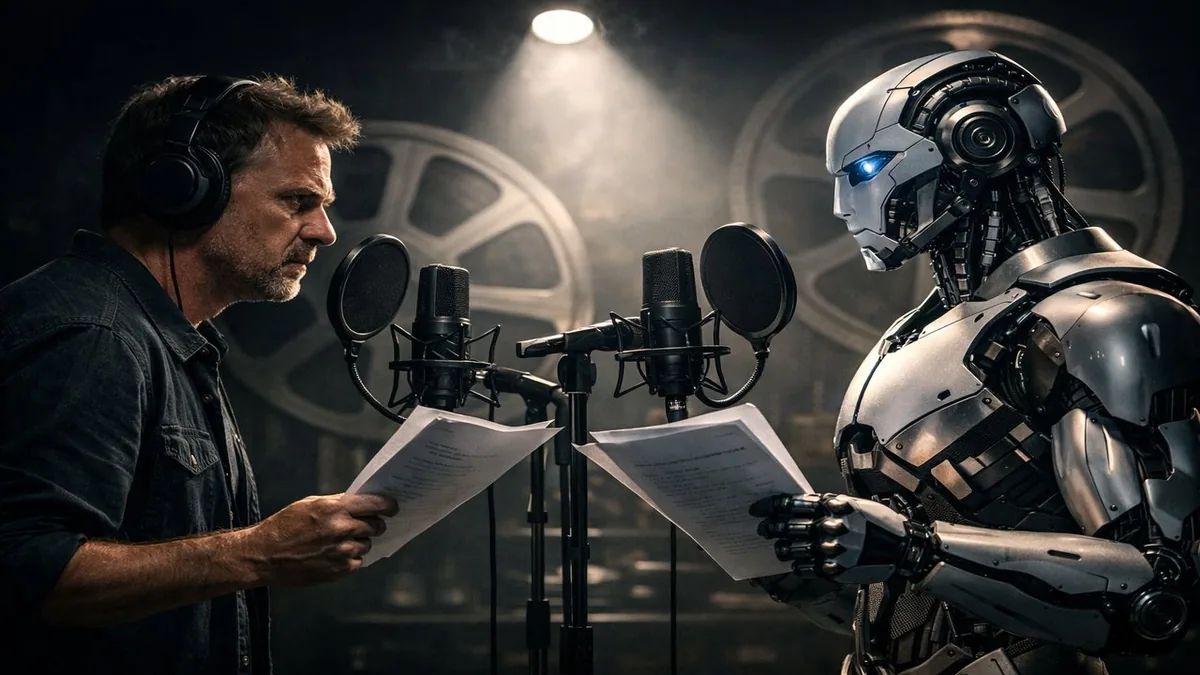
A global mobilization is underway among voice actors as Hollywood studios accelerate their adoption of AI dubbing technology to replace human performers in localized film and television content. Actors in the US, UK, Germany, France, Spain, Brazil, and Japan are organizing through unions, guilds, and independent advocacy groups to demand legal protections for their vocal likenesses, fair compensation models, and transparency about when AI-generated voices are used in place of human ones.
What Studios Are Doing
Major streaming platforms and studios have begun deploying AI dubbing pipelines that can generate localized audio tracks — matching lip movements to translated scripts — at a fraction of the cost and time required by human dubbing casts. Companies including ElevenLabs, Deepdub, and Papercup have signed deals with content distributors to provide AI dubbing at scale.
The economics are stark: a human dubbing cast for a single feature film in a single language can cost $50,000–$200,000 and require several weeks of studio time. AI dubbing can produce the same output in hours at a cost of a few thousand dollars. For studios distributing content across 20+ language markets, the cumulative saving is enormous.
What Actors Are Fighting For
The core demands from acting unions include: explicit consent requirements before a performer's voice can be used to train AI models, right of first refusal when AI-generated voices are used in roles that would previously have gone to human actors, residual payments when synthetic voices derived from their performances are commercially deployed, and mandatory disclosure labels on AI-dubbed content.
SAG-AFTRA, which negotiated AI protections for on-screen actors in its 2023 Hollywood contract, is now seeking parallel protections specifically for voice work — a category that was not fully addressed in earlier agreements.
The Personality Rights Dimension
Beyond labor economics, voice actors are raising personality rights claims. Several performers have discovered that their voices were included in AI training datasets without consent, with studios arguing that existing contracts covered voice use broadly. Litigation over these claims is building in multiple jurisdictions.
The Bottom Line
The AI dubbing battle is the voice acting industry's version of the streaming royalties fight — a structural shift in how content is produced that redistributes value away from human performers toward technology platforms. Unlike the streaming battle, which played out over years, the AI dubbing transition is happening rapidly. Actors who fail to secure contractual protections now may find the window for meaningful negotiation closing faster than they expect.
Related Articles
- Jury Finds Live Nation and Ticketmaster Guilty of Monopoly
- Scammers Bypass Bank KYC Facial Scans With Stolen Biometrics
- Google Launches Gemini Mac App