Trump Prepares Months-Long Hormuz Pressure Campaign After Rejecting Iran Nuclear Deal Offer
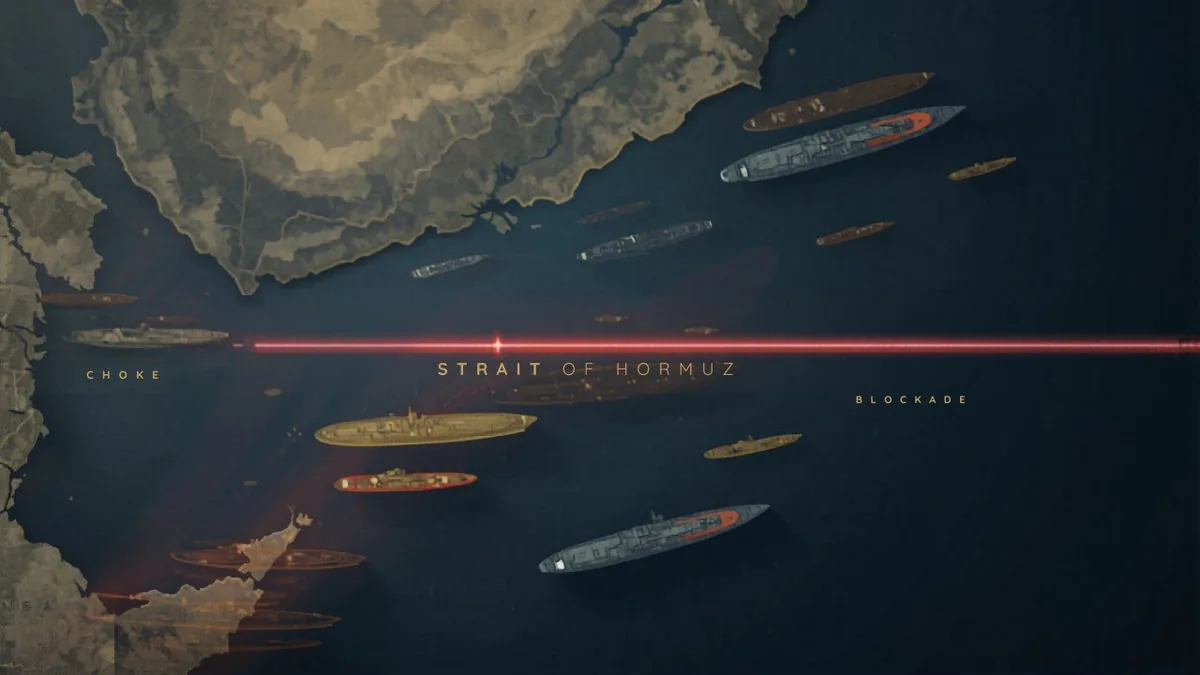
The Trump administration is preparing for an extended naval presence in the Strait of Hormuz that could last "months, not weeks," according to a Wall Street Journal report citing four senior administration officials. The shift represents a hardening of position after Tehran reportedly walked back its earlier offer to reopen the Strait in exchange for indefinitely postponing nuclear talks.
The Pentagon is reportedly moving an additional carrier strike group into the Persian Gulf and rotating two more destroyer squadrons through the region. The buildup is being framed as "guaranteeing freedom of navigation" — the same legal framework used in the 1980s tanker war — but the strategic intent is clearly broader: pressure Iran into accepting nuclear constraints by holding Iran's oil exports hostage.
What changed since Iran's "deal" offer two weeks ago
Iran's late-April offer — reopen Hormuz to international shipping in exchange for a 12-month pause in nuclear negotiations — was framed as conciliation. The administration's read, per the WSJ sourcing, was the opposite: Iran was buying time to advance enrichment past the 90% threshold without IAEA scrutiny. The deal was rejected within 48 hours and never formally responded to in writing.
What hardened the U.S. position was a separate intel finding, not yet public, that Iran has resumed weaponization-relevant calculations at Natanz. That has not been independently confirmed, but the administration is treating it as decisive.
Why an extended naval presence and not strikes
The Pentagon's preferred play is economic strangulation, not bombing. Iran's GDP is roughly 60% oil-export dependent; restricting Hormuz traffic for 60-90 days would cost Tehran an estimated $40-60 billion in revenue. That's enough to force a regime crisis without the political cost of a kinetic strike.
The risks are obvious. Iran's response to economic blockade in the past has been asymmetric — proxy attacks on Saudi infrastructure, mining shipping lanes, IRGC fast-boat harassment. The Pentagon expects all three. The carrier strike group is sized for that contingency.
The oil-market response
Brent crude is trading near $84/barrel as of Tuesday close, up from $76 last week when the WSJ report broke. The market is pricing in roughly a 40% probability of a 60-day Hormuz disruption, per implied volatilities on Brent options. If the disruption actually materializes, analyst consensus is $115-130 territory within four weeks.
The U.S. has reportedly pre-coordinated SPR releases with Saudi Arabia and the UAE to absorb a portion of the supply shock — but the SPR is at its lowest level in 40 years, and the Saudi/UAE swing capacity available on short notice is roughly 1.5 million barrels per day, which is well below typical Hormuz throughput.
My Take
The administration is making a calculated bet that economic pressure produces a faster Iranian climbdown than negotiation. Recent history disagrees — every previous round of maximum-pressure sanctions stiffened Tehran rather than softening it. What's different this time is the IRGC's domestic position is weaker than it has been in twenty years and there's a non-trivial chance the regime cracks rather than negotiates. The U.S. clearly has internal models that suggest this. The cost if those models are wrong is a regional war, two oil shocks, and a price-of-everything inflation problem six months out from a midterm election. I think the risk-reward is poor and the administration is overconfident. But I'm not in the briefings.
FAQ
Is the U.S. actually blockading the Strait? Not formally. The framing is "guaranteeing freedom of navigation" — selectively interdicting Iranian-flagged vessels and shadow-fleet tankers. A full blockade would require Congressional authorization the administration doesn't currently have.
What does Iran do in response? The standard playbook is asymmetric attacks via proxies (Houthis on Red Sea shipping, Iraqi militias on U.S. bases) plus IRGC harassment in the Strait itself. None of that closes Hormuz, but all of it raises insurance rates.
What's the impact on oil prices? Markets are pricing in a 40% probability of significant disruption. Realized prices depend on whether Saudi Arabia and the UAE can credibly compensate.
The Bottom Line
The U.S. is leaning into a months-long pressure campaign in the Strait of Hormuz instead of accepting Iran's nuclear-talks delay offer. The bet is that economic pressure cracks the regime faster than negotiation. The downside is a regional war during an election year.