Iran Offers US Deal to Reopen Strait of Hormuz in Exchange for Postponing Nuclear Talks Indefinitely
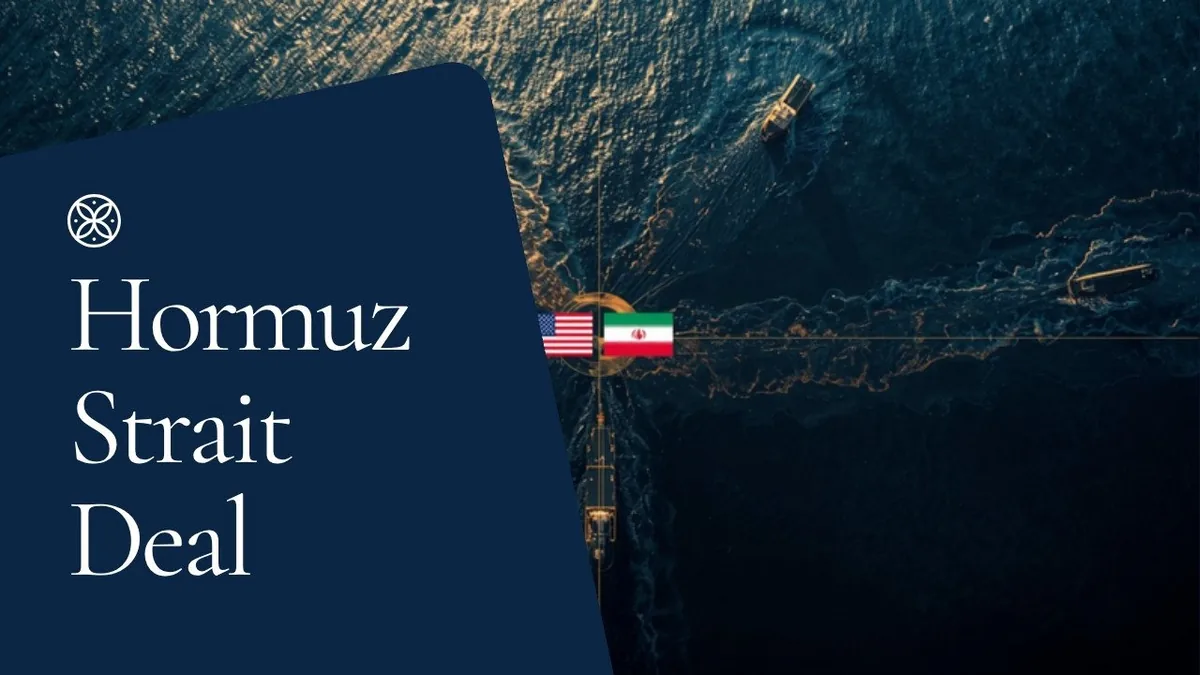
Iran has reportedly offered the United States a deal to reopen the Strait of Hormuz to commercial shipping in exchange for postponing nuclear program negotiations indefinitely, according to Axios's reporting earlier this morning. The proposal, conveyed through Pakistani intermediaries, comes after weeks of escalation that have stranded roughly one billion barrels of crude and crashed energy markets across Asia and Europe.
What's on the Table
The Iranian offer, per Axios sources, has three parts: (1) full reopening of the Strait of Hormuz to commercial shipping, including unimpeded passage for tankers, (2) release of the two container ships seized last week, and (3) a freeze on further maritime escalation. In exchange, Iran wants the US to indefinitely postpone the nuclear program negotiations that the Trump administration has been pushing for, with no specific resumption date.
The deal does not address Iran's actual nuclear capability — it just kicks the diplomatic process to a later, undefined moment. From Tehran's perspective, that is the entire value of the offer: time to consolidate domestic political position without the pressure of nuclear talks. From Washington's perspective, it would lift a major commodity-market crisis but at the cost of letting nuclear policy drift.
Why This Comes Now
The proximate triggers are clear. We covered last week how the billion-barrel Hormuz oil shock was already crashing global demand and squeezing refiners. Container ship seizures, attacks on oil tankers, and rerouting of LNG shipments have all compounded since. US consumer sentiment is at a record low, partly because of pump-price worries that have not actually materialized but are still hitting confidence.
Trump cancelled the planned Witkoff-Kushner trip to Pakistan last week, calling Iran's previous offer inadequate. The new offer is meaningfully more concrete — full strait reopening is a real concession, not just diplomatic theater — and is being routed through the same Pakistani channel.
What's the Catch
Two big ones. First, Iran's offer does not include any specific timeline for nuclear talks, which means "postpone" could effectively mean "indefinitely". The Trump administration's hawks have been clear that nuclear program timelines are non-negotiable; accepting a postponement is a meaningful policy retreat. Second, the offer does not address Iran's drone program or proxy operations, which are the next-most-likely sources of escalation.
The trade is real but lopsided in a way that depends on what you optimize for. If you optimize for short-term commodity stabilization and US consumer confidence, accept it. If you optimize for long-term Iranian nuclear non-proliferation, reject it. Trump has signaled appetite for "wins" that look concrete, which probably tilts toward acceptance.
My Take
Honestly, I think Trump takes this deal. The political optics of "Trump reopens Hormuz, oil prices stabilize, consumer sentiment recovers" are exactly what he wants going into the second-term policy phase. The nuclear issue can be deferred without immediate cost; the commodity-market issue is hitting US households now. That math is clearer than the geopolitical hawks would prefer.
The cold read is that this deal, if accepted, gives Iran exactly what it wants: time. The kicking of nuclear talks down the road benefits whichever side has more time to consolidate position, and that is currently Iran. Strategically, the US would be giving up a long-term lever for a short-term political win. It is also probably the deal that gets done.
Frequently Asked Questions
What is Iran offering?
Iran is reportedly offering to fully reopen the Strait of Hormuz to commercial shipping, release seized container ships, and freeze further maritime escalation in exchange for the US indefinitely postponing nuclear program negotiations.
How is this offer being conveyed?
Through Pakistani intermediaries, the same channel previously used by the Trump administration's Witkoff-Kushner trip earlier this month, which was cancelled when Iran's prior offer was deemed insufficient.
What happens if Trump accepts?
Hormuz traffic resumes, Brent crude likely retraces toward pre-crisis levels, refiner margins recover, US consumer sentiment improves on the energy-price front. Nuclear talks become an open question with no specific resumption date.
What happens if Trump rejects?
Maritime tensions continue. The billion-barrel oil shock keeps crushing demand. Energy-driven inflation pressure builds. The next escalation step — drones, proxy attacks, or further seizures — becomes more likely.
The Bottom Line
Iran's Hormuz-for-nuclear-talks offer is a meaningful concession on the maritime front and a meaningful demand on the diplomatic front. The trade is real, asymmetric, and politically tempting for Trump's second-term agenda. Acceptance would stabilize commodity markets in the short term and defer a major foreign-policy lever indefinitely. Rejection would prolong the crisis with uncertain escalation. The decision lands within days, not weeks.