Top AI Researchers Are Leaving the US to Return to China, Driven by Better Pay and Immigration Restrictions
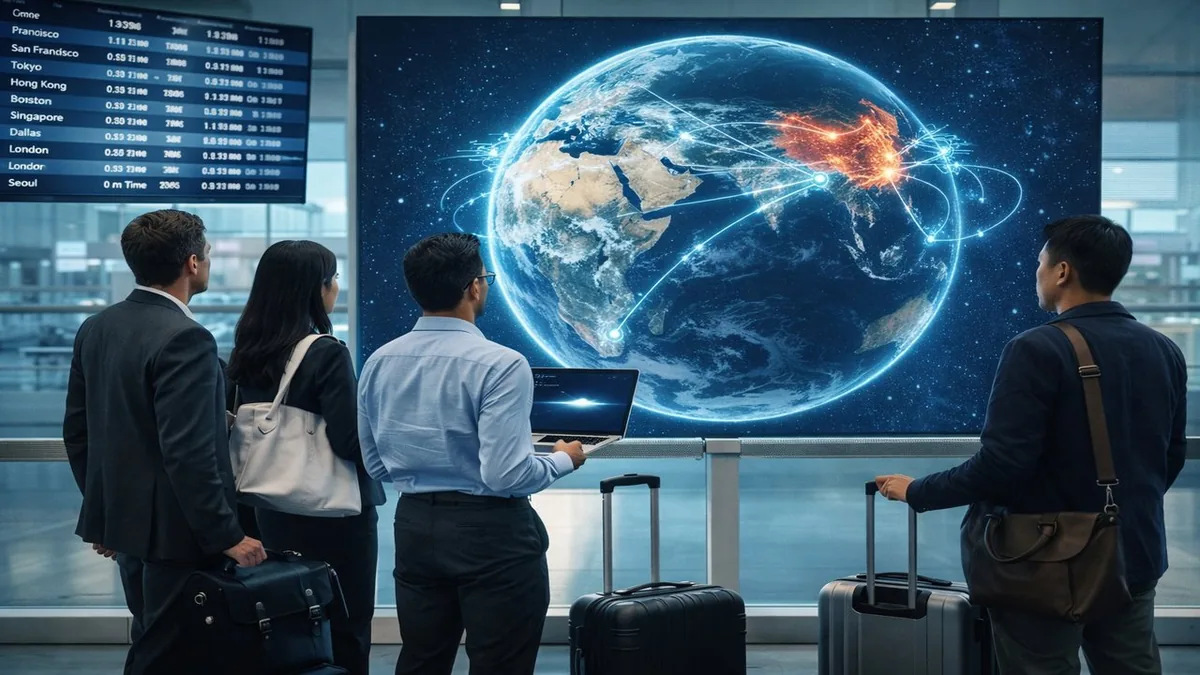
A significant wave of top AI researchers have left the United States to return to China over the past year, according to a Financial Times investigation published April 12. The departures are driven by a combination of factors: substantially better compensation packages from Chinese technology companies and research labs, improved quality of life, and an increasingly restrictive US immigration environment that has made long-term residency uncertain for foreign-born researchers. The trend represents a reversal of the talent flows that defined the previous decade of AI development — and a direct challenge to US efforts to maintain dominance in artificial intelligence. It connects to the National Cyber Director's parallel push to address AI-related national security vulnerabilities at home.
What Is Driving the Exodus
The Financial Times identifies three primary drivers. First, compensation: Chinese AI labs and technology giants including ByteDance, Baidu, and a growing number of well-funded startups are offering packages that match or exceed Silicon Valley salaries, combined with lower costs of living in major Chinese cities. Second, immigration uncertainty: researchers on H-1B visas and green card backlogs — some waiting a decade or more for permanent residency — have found their futures in the US increasingly precarious under shifting policy environments. Third, quality of life: proximity to family and familiar culture has become a more significant factor as the professional calculus has shifted.
The researchers involved are not junior talent. The FT describes the returnees as senior figures with publications at top AI conferences, experience at leading US labs, and the kind of network and expertise that directly accelerates frontier AI development. Their departure strengthens Chinese AI capabilities at precisely the moment the US is attempting to restrict China's access to advanced semiconductors.
The Strategic Implications
US policy has focused on restricting China's access to AI hardware — most notably through export controls on advanced chips from Nvidia and others. The assumption underlying this policy is that hardware constraints are the binding bottleneck for Chinese AI development. The researcher exodus complicates this assumption: human expertise may be as important as compute, and human expertise is not subject to export controls. Researchers carry knowledge of training techniques, data curation, evaluation methods, and architectural choices that cannot be replicated by hardware access alone.
The trend also highlights a tension in US immigration policy. The same restrictive environment intended to protect American technological advantage is, in practice, pushing some of the world's most capable AI researchers toward China. This is the same dynamic that drove the White House's emergency AI security meetings — the recognition that the competitive landscape is shifting faster than policy can adapt.
Frequently Asked Questions
Why are AI researchers leaving the US for China?
The Financial Times identifies three main factors: better pay from Chinese AI companies and labs, improved quality of life and proximity to family, and an increasingly uncertain US immigration environment that has made long-term residency unpredictable for foreign-born researchers.
Does this affect US AI competitiveness?
Yes. Senior AI researchers carry knowledge of training methods, evaluation techniques, and architectural approaches that directly accelerate frontier AI development. Their departure strengthens Chinese AI capabilities independently of hardware restrictions, which have been the primary tool of US AI policy toward China.
Which Chinese companies are recruiting these researchers?
The FT report points to ByteDance, Baidu, and a range of well-funded Chinese AI startups offering competitive compensation. China's government-backed research institutes have also been active in recruiting returnees through talent programs.
The Bottom Line
The return of top AI researchers from the US to China is the most significant AI talent story of the past year — and one that US policymakers have few good tools to address. Export controls on chips are the dominant instrument of US AI policy toward China; they have no equivalent for human expertise. If the trend accelerates, the gap between US and Chinese AI capabilities that hardware restrictions are meant to preserve may narrow far faster than the semiconductor supply chain approach anticipates.