Tin Can the 100 Dollar Retro Wi-Fi Phone Goes Viral as US Schools Hand It Out to Curb Smartphone Use
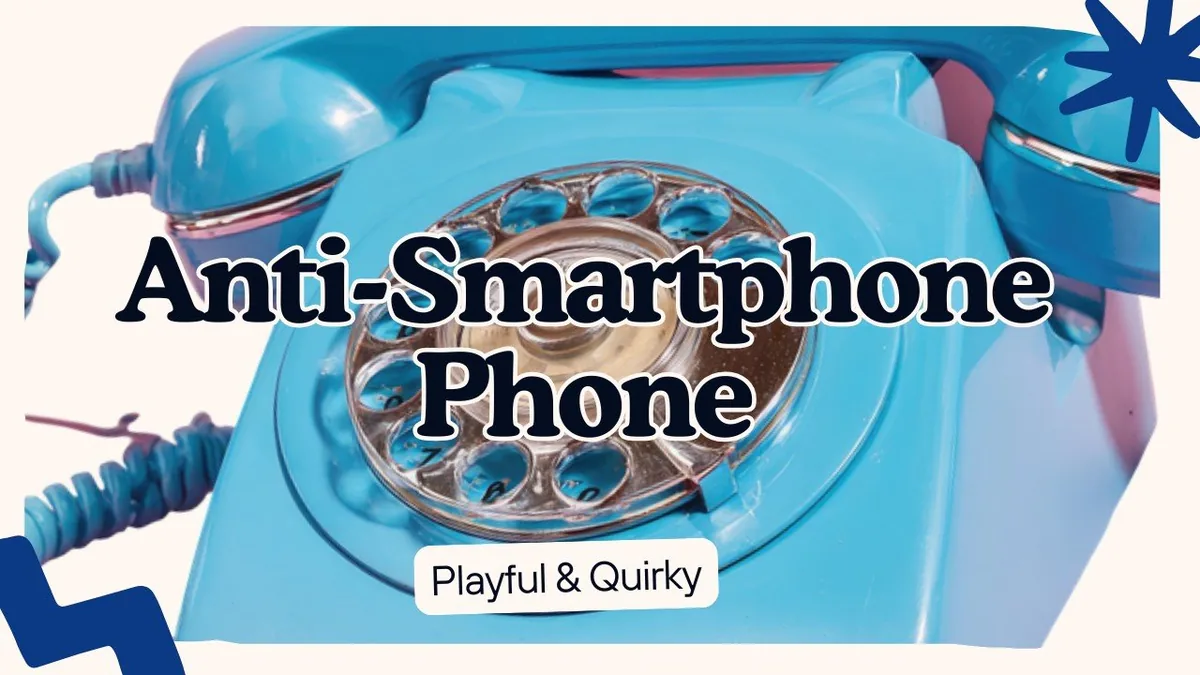
A 100 dollar Wi-Fi-enabled retro landline called Tin Can is going viral, and it is being deliberately seeded by US schools to students who teachers and parents want off smartphones. The device looks like a 1970s rotary phone, runs over Wi-Fi or cellular hotspot, and intentionally cannot do anything except make and take voice calls. According to Bloomberg, multiple US school districts are buying Tin Cans in bulk and giving them to families as part of student-wellbeing pilots.
What Tin Can Actually Is
Tin Can is a soft-cornered tabletop device with a curly cord, a chunky handset, and a numeric keypad. There is no app store, no camera, no browser, no notifications. It calls real phone numbers over Wi-Fi using a built-in VoIP stack, and you can pre-program contact lists. That is the whole feature set. The price — 99 dollars before tax — undercuts even the cheapest smartphones, and there is no monthly subscription beyond home internet.
The product comes from a small US hardware startup that pitched it as a "phone for kids who do not need a phone yet". The pitch hit in part because of the 2024 surge in research and parental anxiety about children's smartphone use. Schools have been a surprisingly willing co-distributor.
Why Schools Are Buying Tin Cans in Bulk
Many US school districts already enforce phone-free classrooms, and a growing number — particularly in the Northeast and California — have moved to phone-free school days, especially since Instagram's teen accounts rollout reached India in early 2026. The friction has always been logistical: kids still need a way to reach parents during emergencies, after-school changes, or sports pickups. A phone that can only call solves that exact problem.
Districts piloting the program report fewer behavioural incidents and noticeably better classroom focus. The wellbeing case is supported by surveys like the Gallup data on AI and digital exposure showing a clear link between heavy app usage and attention fragmentation, even in adults.
Why a 100 Dollar Phone Beats Restrictions Alone
Phone bans without an alternative tend to fail. Kids hide their iPhones, parents resist, teachers spend their day enforcing rather than teaching. A purpose-built non-distracting phone changes the conversation: it is not "no phone" but "this kind of phone, please". That framing is more politically viable in school board meetings and more durable in households.
The Tin Can model also fits with a broader cultural reset. Consumers have started buying intentional limitation — design-led hardware, dumb phones, e-paper readers, single-purpose appliances — as a counterweight to attention-economy platforms. Bloomberg's framing of Tin Can as part of a "nostalgia plus digital wellness" trend is accurate and likely to keep growing.
My Take
This is the smartest hardware idea I have seen in months. Most "anti-smartphone" products try to compete with smartphones on features and inevitably lose. Tin Can does the opposite — it competes by deliberately doing less, and that is exactly what makes it work. A 7-year-old does not need a 1,200 dollar device with a global app store; they need a way to call their dad after football practice.
The bigger play, if Tin Can wants to become a category and not a curiosity, is school district contracts. Pilots are easy to win. Multi-year district-wide deals with the bigger US public school systems are where this becomes a real business. If they figure that out, Tin Can is a 500 million dollar company in 24 months.
Frequently Asked Questions
What is Tin Can?
Tin Can is a 100 dollar Wi-Fi-enabled retro-style landline phone designed for kids and digital-wellness adults. It can only make and receive voice calls — there is no app store, browser, camera, or messaging feature.
Why are schools buying Tin Can phones?
Many US school districts have moved to phone-free policies but still need a way for students to contact parents in emergencies. Tin Can lets students stay reachable without bringing the distractions of a smartphone into the classroom.
Does Tin Can require a SIM card?
No. Tin Can connects via Wi-Fi using built-in VoIP (Voice over IP) software. It can also work over a cellular hotspot if Wi-Fi is unavailable, but it does not require a traditional cellular contract or SIM card.
Where can I buy a Tin Can phone?
Tin Can is currently sold direct-to-consumer through the company's website, with school districts ordering in bulk through a separate institutional channel. Wider retail availability is reportedly coming later in 2026.
The Bottom Line
Tin Can is the rare anti-smartphone product that works because it does not pretend to be a smartphone alternative. It is a deliberate constraint, sold at a price point that schools and parents can absorb, into a market that is finally ready to admit children probably should not have full internet access in their pocket at age eight. Whether you call that nostalgia or progress, the device is real, the demand is real, and the trend is just starting.