Is the iPhone 14 Pro Max Waterproof-Proof? The Ultimate Test!
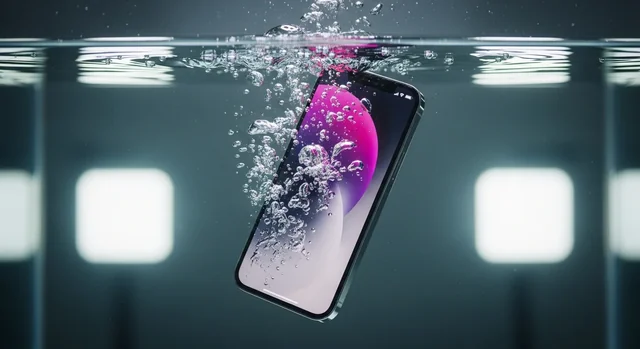
In 2025, water resistance remains one of the most crucial features smartphone users consider when purchasing a premium device. The iPhone 14 Pro Max, despite being released in 2022, continues to be a popular choice among consumers who want reliable water protection without upgrading to the latest models. But how does its water resistance actually perform in real-world scenarios, and what should you know to protect your investment?
This comprehensive guide will walk you through everything you need to know about the iPhone 14 Pro Max's water resistance capabilities, how it compares to newer models, and most importantly, how to properly care for your device to maintain its protective features.
Understanding iPhone 14 Pro Max Water Resistance Specifications
IP68 Rating Explained
The iPhone 14 Pro Max carries an IP68 rating, which represents the highest level of dust and water protection available in consumer smartphones as of 2025. Here's what this rating specifically means:
For more details, check out our guide on MobileGo’s New Roadmap Update Charts a Bold Path for the Future of Blockchain Gaming and Mobile Payments.
- IP6 (first digit): Complete protection against dust ingress
- IP8 (second digit): Protection against continuous submersion in water
Apple's specific implementation allows the iPhone 14 Pro Max to withstand submersion in water up to 6 meters deep for up to 30 minutes under laboratory conditions. This is significantly more robust than the basic IP68 standard, which typically only requires 1.5-meter depth protection.
Real-World Water Resistance Performance
While laboratory conditions provide standardized testing, real-world scenarios present different challenges. The iPhone 14 Pro Max's water resistance has been tested extensively by users and third-party reviewers throughout 2023-2025, showing impressive durability in:
- Rain exposure and heavy downpours
- Accidental drops in pools and bathtubs
- Coffee spills and beverage accidents
- Beach and outdoor activity exposure
How to Test Your iPhone 14 Pro Max Water Resistance Safely
Step 1: Inspect Your Device First
Before exposing your iPhone 14 Pro Max to water, perform a thorough inspection:
- Check the Lightning port for debris or damage
- Examine the speaker grilles for cracks or foreign objects
- Inspect the camera module for any visible damage
- Ensure the SIM card tray is properly seated and sealed
- Look for any cracks in the glass or frame that could compromise sealing
Step 2: Start with Minimal Water Exposure
If you need to test water resistance, begin conservatively:
- Start with light water splashes on the screen
- Gradually increase exposure if the device shows no signs of water ingress
- Monitor speaker and microphone functionality after each test
- Check for condensation in the camera lenses
Step 3: Proper Drying Techniques
After any water exposure, follow these critical drying steps:
- Power off the device immediately if heavily exposed to water
- Gently shake out excess water from ports and speakers
- Use a lint-free cloth to dry external surfaces
- Place the device in a dry, room-temperature environment
- Wait at least 5 hours before charging to ensure complete drying
iPhone 14 Pro Max vs. Newer Models: Water Resistance Comparison
| Model | IP Rating | Maximum Depth | Maximum Time | 2025 Price Range | Key Improvements |
|---|---|---|---|---|---|
| iPhone 14 Pro Max | IP68 | 6 meters | 30 minutes | $799-$1099 | Baseline standard |
| iPhone 15 Pro Max | IP68 | 6 meters | 30 minutes | $999-$1399 | Improved sealing around USB-C port |
| iPhone 16 Pro Max | IP68 | 8 meters | 45 minutes | $1199-$1599 | Enhanced gasket technology, better saltwater resistance |
What Water Exposure to Avoid
Saltwater and Ocean Exposure
Despite its impressive IP68 rating, the iPhone 14 Pro Max should never be intentionally exposed to saltwater. Salt is highly corrosive and can:
- Damage internal components even after drying
- Cause long-term corrosion of metal parts
- Compromise future water resistance
- Void warranty coverage
Chlorinated Water and Pool Chemicals
Swimming pool water presents similar risks due to chlorine and other chemicals:
- Chlorine can degrade rubber seals over time
- Pool chemicals may cause discoloration
- High chemical concentrations exceed testing parameters
Hot Water and Steam
Temperature extremes can compromise water resistance:
- Hot water can cause seal expansion and failure
- Steam can penetrate through microscopic gaps
- Rapid temperature changes stress protective barriers
Best Practices for Maintaining Water Resistance
Regular Maintenance Tips
To preserve your iPhone 14 Pro Max's water resistance throughout its lifespan:
- Clean ports regularly using compressed air or a soft brush
- Avoid using your device with wet hands when possible
- Remove cases periodically to check for trapped moisture
- Have seals inspected during any repair work
- Update iOS regularly as software updates may include water detection improvements
Environmental Considerations
Your usage environment significantly impacts water resistance longevity:
You might also be interested in Top 7 Best PlayStation Emulator (PS emulator for Android).
- Extreme temperatures can cause seal degradation
- High humidity environments require extra vigilance
- Dusty conditions can compromise port sealing
- Frequent pressure changes (altitude changes) may affect internal sealing
Common Mistakes That Compromise Water Resistance
Mistake 1: Ignoring Water Detection Alerts
iOS includes built-in water detection for the Lightning port. Never ignore these warnings and avoid charging until the alert clears naturally.
Mistake 2: Using Compressed Air on Wet Ports
While compressed air is great for cleaning, using it on wet ports can force water deeper into the device.
Mistake 3: Assuming Water Resistance Improves Over Time
Water resistance actually degrades with age and use. Seals wear out, and protection diminishes over the device's lifespan.
Mistake 4: Relying on Third-Party Repairs
Unauthorized repairs almost always compromise water resistance, as original sealing materials and techniques aren't used.
Understanding Warranty Limitations
What Apple's Warranty Covers
It's crucial to understand that water damage is not covered under Apple's standard warranty, even with IP68 rating. The water resistance rating is for accidental exposure, not intentional submersion.
AppleCare+ Considerations
AppleCare+ provides more comprehensive coverage but still has limitations:
Related: Everything you need to know about Google Wallet - android phone app.
- Accidental damage coverage includes water damage
- Deductibles apply for water damage repairs
- Intentional submersion may still void coverage
- Coverage limits apply per incident and annually
Water-Resistant vs. Waterproof: Critical Distinction
Why "Waterproof" is a Misnomer
No smartphone, including the iPhone 14 Pro Max, is truly waterproof. The correct term is "water-resistant," which means:
- Protection has specific depth and time limitations
- Resistance can degrade over time
- Certain conditions can exceed protective capabilities
- Manufacturing tolerances mean individual device variation
Setting Realistic Expectations
Understanding these limitations helps set appropriate expectations:
- Water resistance is for accident protection, not underwater photography
- Regular maintenance is required to maintain protection levels
- Age and wear reduce effectiveness over time
- Environmental factors can exceed testing conditions
Frequently Asked Questions
Can I take underwater photos with my iPhone 14 Pro Max?
While technically possible due to the IP68 rating, it's not recommended. The water resistance is designed for accidental submersion, not intentional underwater use. Consider a dedicated waterproof case for underwater photography.
How long does water resistance last on the iPhone 14 Pro Max?
Water resistance gradually degrades over time. Most devices maintain good protection for 2-3 years with normal use, but this varies based on usage patterns, environmental conditions, and maintenance.
What should I do if my iPhone 14 Pro Max gets wet in saltwater?
Immediately rinse the device with fresh water to remove salt, then follow proper drying procedures. Do not charge until completely dry, and consider having it inspected by Apple if extensively exposed.
Does using a case affect water resistance?
Most cases don't significantly impact the iPhone's built-in water resistance, but they can trap moisture against the device. Remove cases periodically to ensure complete drying.
See also: MobileTrans Review: Data Transfer Tool for iPhone & Android.
Can I shower with my iPhone 14 Pro Max?
It's not recommended. Steam and hot water can compromise seals, and soap residue can damage protective coatings. Keep your device away from shower areas.
How do I know if water has damaged my iPhone 14 Pro Max?
Signs include: speaker distortion, microphone issues, camera fogging, display anomalies, charging problems, or the liquid contact indicator turning red.
Will dropping my iPhone 14 Pro Max affect its water resistance?
Yes, potentially. Drops can create micro-cracks or misalign components, compromising sealing. Inspect your device carefully after any significant impact.
Is the iPhone 14 Pro Max's water resistance better than Android competitors in 2025?
The iPhone 14 Pro Max remains competitive with most flagship Android devices. However, some newer Android models now offer IP69 ratings for high-pressure water resistance.
Can I get my iPhone 14 Pro Max's water resistance restored?
Apple doesn't offer water resistance restoration services. However, some third-party repair shops claim to restore sealing, though this voids your warranty and effectiveness isn't guaranteed.
Should I buy a waterproof case for additional protection?
For activities near water, a quality waterproof case provides excellent additional protection. Look for cases with IP68 or higher ratings from reputable manufacturers.
Conclusion
The iPhone 14 Pro Max offers impressive water resistance that provides excellent protection for daily use and accidental exposure. Its IP68 rating and 6-meter depth capability make it one of the most water-resistant smartphones available, even in 2025.
However, understanding the limitations is crucial. Water resistance isn't permanent, degrades over time, and has specific environmental limitations. By following proper care practices, avoiding high-risk exposure scenarios, and understanding warranty limitations, you can maximize your device's protective capabilities.
While newer iPhone models offer incremental improvements in water resistance, the iPhone 14 Pro Max remains a solid choice for users who need reliable water protection without the premium pricing of the latest models. Just remember: water-resistant doesn't mean waterproof, and prevention is always better than hoping your device's protection holds up.
You might also be interested in 10 Things You Need to Know About Mobile Banking.
Remember: When in doubt, keep your iPhone 14 Pro Max away from water. No amount of water resistance is worth risking a device worth hundreds of dollars, especially when that protection isn't covered under warranty.