Complete Home Yoga Setup Guide: Essential Equipment and Space Design for Beginners
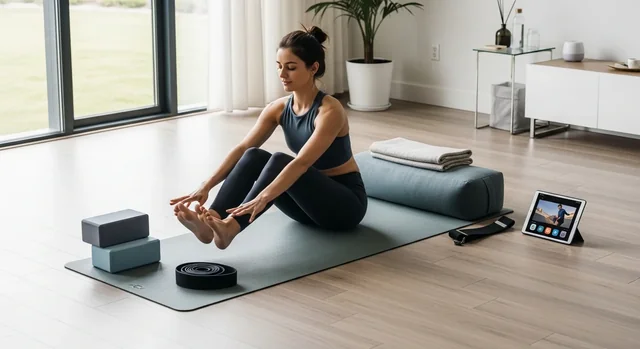
Imagine stepping into a serene space, bathed in soft light, where the stresses of the day melt away. No crowded studios, no rigid schedules, just you, your breath, and a personalized yoga practice. Creating a home yoga studio is more than a trend; it's an investment in your well-being, and in 2025, it's easier and more affordable than ever.
Whether you're a seasoned yogi or just starting your journey, this guide will walk you through creating the perfect home yoga sanctuary, complete with essential equipment, space design tips, and the latest recommendations for 2025.
Why Design a Home Yoga Studio in 2025?
The advantages of a dedicated home yoga space extend far beyond mere convenience. In today's fast-paced world, having a personal sanctuary for mindfulness and physical well-being is invaluable. Let's explore the key benefits:
Learn more in our article about SoftBank OpenAI Investment Signals AI’s Next Growth Phase.
Unparalleled Flexibility and Convenience
Say goodbye to rigid class schedules and commuting. Your home yoga studio operates on your terms, allowing you to practice whenever inspiration strikes, whether it's a sunrise flow or a calming evening meditation.
Significant Cost Savings
Studio memberships can be expensive. A one-time investment in basic home yoga equipment can save you hundreds, even thousands, of dollars annually. In 2025, the cost of quality equipment has become more accessible, making home practice even more financially appealing.
Privacy and Comfort
Many beginners feel intimidated in group settings. A home yoga space provides a judgment-free zone where you can explore poses, modify techniques, and progress at your own pace without feeling self-conscious.
Personalized Practice
Your home studio allows you to tailor your practice to your specific needs and preferences. Choose your favorite music, adjust the lighting, and create an atmosphere that resonates with your soul.
Increased Consistency
With a dedicated space, yoga becomes an integral part of your daily routine. The visual reminder of your mat and props encourages regular practice, leading to improved physical and mental well-being.
Essential Yoga Equipment for 2025
Building your home yoga studio doesn't require a massive investment. Start with the essentials and gradually add more equipment as your practice evolves. Here's a breakdown of must-have items for 2025:
The Yoga Mat: Your Foundation
The yoga mat is the cornerstone of any practice. Choose a mat that offers adequate cushioning, grip, and durability. In 2025, sustainable and eco-friendly mats are increasingly popular.
2025 Yoga Mat Recommendations:
- Liforme Original Yoga Mat: (Approx. $150) Known for its superior grip and alignment markers.
- Manduka PRO Yoga Mat: (Approx. $130) A durable and high-density mat favored by experienced practitioners.
- Jade Harmony Yoga Mat: (Approx. $90) Made from natural rubber and offers excellent grip.
- Yoloha Native Cork Yoga Mat: (Approx. $140) Sustainable, antimicrobial, and provides a natural feel.
- Gaiam Essentials Thick Yoga Mat: (Approx. $30) A budget-friendly option for beginners.
Yoga Blocks: Support and Stability
Yoga blocks provide support, stability, and help improve alignment, especially for beginners or those with limited flexibility. Cork and foam blocks are common choices.
2025 Yoga Block Recommendations:
- Manduka Recycled Foam Yoga Block: (Approx. $25) Lightweight and durable.
- Yogi Bare Cork Yoga Block: (Approx. $20) Sustainable and provides a firm grip.
- Gaiam Yoga Block: (Approx. $15) Affordable and versatile.
Yoga Strap: Enhance Your Reach
A yoga strap helps extend your reach in poses like seated forward folds and binds. It's also useful for improving flexibility over time.
2025 Yoga Strap Recommendations:
- Hugger Mugger Yoga Strap: (Approx. $15) Durable and features a sturdy buckle.
- Gaiam Yoga Strap: (Approx. $10) A basic and affordable option.
- Prana Yoga Strap: (Approx. $18) Made from organic cotton.
Yoga Blanket: Comfort and Support
Yoga blankets provide cushioning, support, and warmth during restorative poses and meditation. They can also be used to modify poses for greater comfort.
2025 Yoga Blanket Recommendations:
- Mexican Yoga Blanket: (Approx. $40) Versatile and adds a touch of color.
- Hugger Mugger Cotton Yoga Blanket: (Approx. $50) Soft and supportive.
- Brahma Yoga Blanket: (Approx. $35) Made from recycled materials.
Bolster: Deep Relaxation
A bolster provides deep relaxation and support in restorative poses, promoting a sense of calm and well-being.
Related: BOI Net Banking 2025: Registration, Login, Features & Transaction Limits.
2025 Yoga Bolster Recommendations:
- Hugger Mugger Standard Bolster: (Approx. $80) A classic and versatile bolster.
- YogaAccessories Round Bolster: (Approx. $70) Provides gentle support for the spine.
- Bean Products Yoga Bolster: (Approx. $90) Organic and eco-friendly option.
Optional Equipment: Elevate Your Practice
- Meditation Cushion (Zafu): For comfortable seated meditation.
- Yoga Wheel: To deepen backbends and improve flexibility.
- Resistance Bands: To add strength training to your yoga routine.
- Essential Oil Diffuser: To create a calming and aromatic atmosphere.
Designing Your 2025 Home Yoga Space
Creating a functional and inspiring yoga space is crucial for cultivating a consistent practice. Here are some design considerations for 2025:
Location, Location, Location
Choose a quiet and uncluttered space in your home. A spare bedroom, a corner of your living room, or even an outdoor patio can be transformed into a yoga sanctuary. Consider factors like natural light, ventilation, and noise levels.
Declutter and Organize
A clean and organized space promotes a sense of calm and focus. Remove unnecessary items and create a designated storage area for your yoga equipment.
Lighting and Ambiance
Natural light is ideal, but if that's not possible, use soft and warm artificial lighting. Consider adding candles, string lights, or a salt lamp to create a relaxing ambiance.
Color Palette
Choose calming and soothing colors for your yoga space. Blues, greens, and earthy tones are popular choices. Avoid bright and stimulating colors that can be distracting.
Mirrors: A Matter of Preference
Mirrors can be helpful for checking your alignment, but they can also be distracting for some practitioners. Consider your personal preference before incorporating mirrors into your design.
Sound System
Invest in a quality sound system to play calming music or guided meditations during your practice. Bluetooth speakers are a convenient and affordable option.
See also: No Payment Necessary - How to Activate a Boost Mobile Phone.
Personal Touches
Add personal touches that make your yoga space feel like a sanctuary. This could include plants, artwork, crystals, or any other items that bring you joy and inspiration.
Creating a Dedicated Meditation Space (2025 Update)
Meditation is an integral part of yoga. Designating a specific area for meditation can deepen your practice. Here's how to create a tranquil meditation space in 2025:
Comfortable Seating
Choose a comfortable meditation cushion (zafu) or chair that supports good posture. Ensure your hips are slightly elevated above your knees.
Minimalist Design
Keep the space simple and uncluttered to minimize distractions. A few carefully chosen items, such as a mala beads, a small statue, or a candle, can enhance the atmosphere.
Nature Elements
Incorporate natural elements like plants, stones, or wood to create a connection with nature. A small indoor fountain can also add a soothing sound to the space.
Aromatherapy
Use essential oils like lavender, sandalwood, or frankincense to create a calming and grounding atmosphere. Diffusers or essential oil rollers are convenient options.
See also: AI in Banking: Why HSBC’s Mistral Deal Signals the Industry’s Next Big Shift.
Soundproofing (If Needed)
If you live in a noisy environment, consider adding soundproofing materials to your meditation space, such as thick curtains, rugs, or acoustic panels.
Home Yoga Studio Comparison Table (2025)
| Feature | Budget-Friendly Option | Mid-Range Option | Luxury Option |
|---|---|---|---|
| Yoga Mat | Gaiam Essentials Thick Yoga Mat ($30) | Jade Harmony Yoga Mat ($90) | Liforme Original Yoga Mat ($150) |
| Yoga Blocks | Gaiam Yoga Block ($15) | Yogi Bare Cork Yoga Block ($20) | Manduka Recycled Foam Yoga Block ($25) |
| Yoga Strap | Gaiam Yoga Strap ($10) | Hugger Mugger Yoga Strap ($15) | Prana Yoga Strap ($18) |
| Blanket | Mexican Yoga Blanket ($40) | Brahma Yoga Blanket ($35) | Hugger Mugger Cotton Yoga Blanket ($50) |
| Bolster | (Use rolled-up blankets) | YogaAccessories Round Bolster ($70) | Hugger Mugger Standard Bolster ($80) |
| Ambiance | Candles, dimmable lights | Essential oil diffuser, string lights | Salt lamp, high-quality sound system |
| Approximate Total Cost | $95 | $230 | $328 |
FAQ: Your Home Yoga Studio Questions Answered (2025)
- What's the minimum space required for a home yoga studio?
Ideally, you need enough space to fully extend your arms and legs in all directions. A space of approximately 6ft x 8ft is generally sufficient for a single person.
- How do I choose the right yoga mat thickness?
Consider your joint sensitivity. Thicker mats (5-6mm) provide more cushioning for sensitive knees and joints, while thinner mats (3-4mm) offer better stability for balance poses.
- What are the best essential oils for yoga and meditation?
Lavender, sandalwood, frankincense, chamomile, and cedarwood are popular choices for promoting relaxation and focus.
- How can I soundproof my yoga space on a budget?
Use thick curtains, rugs, and blankets to absorb sound. You can also add acoustic panels made from recycled materials.
- Where can I find online yoga classes suitable for home practice?
Platforms like YogaGlo, Alo Moves, and Gaia offer a wide variety of online yoga classes for all levels. YouTube also has many free yoga videos.
- How important is it to have a mirror in my home yoga studio?
It's a personal preference. Mirrors can help you check your alignment, but they can also be distracting. If you're a beginner, they can be useful; otherwise, trust your body's feedback.
- What's the best way to store my yoga equipment when not in use?
Use a yoga mat bag or strap to store your mat. You can also use shelves, baskets, or a dedicated storage cabinet to keep your equipment organized.
- How can I create a calming atmosphere in my yoga space?
Use soft lighting, calming colors, essential oils, and relaxing music. Add personal touches that make you feel comfortable and at peace.
- Are there any specific plants that are good for a yoga space?
Yes! Snake plants, peace lilies, and spider plants are all excellent choices as they purify the air and are relatively low-maintenance.
- What are the latest trends in home yoga studio design for 2025?
Sustainability is a major trend, with practitioners opting for eco-friendly mats and props. Minimalist design, incorporating natural elements, and smart home integration (e.g., voice-controlled lighting and sound) are also popular.
You might also be interested in Invoice Payment Terms Explained: Net 30, Due on Receipt, and More.
Final Thoughts: Your Journey to a Personalized Yoga Sanctuary
Creating a home yoga studio is an investment in your physical and mental well-being. By following these tips and recommendations, you can transform any space into a personalized sanctuary for yoga and meditation. Embrace the journey, listen to your body, and enjoy the transformative power of home practice in 2025 and beyond.