FOMC April 2026 Preview: What to Expect From Powell's Last Fed Meeting
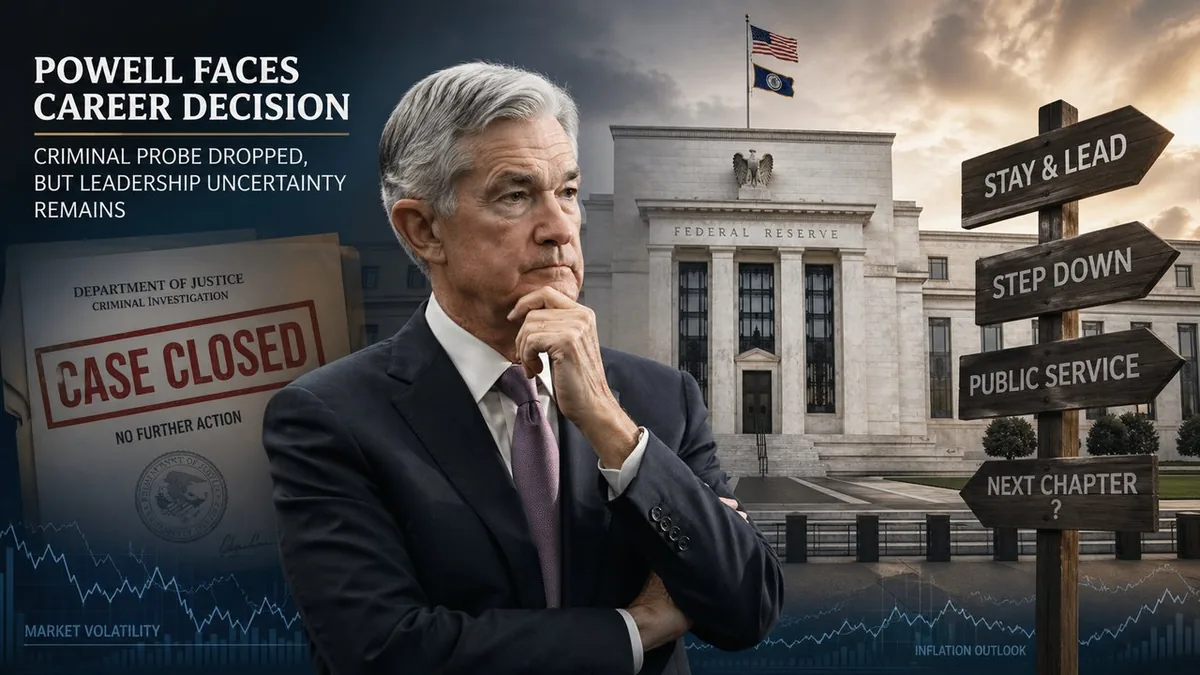
The April 2026 FOMC meeting arrives with an unusual set of pressures converging simultaneously. Consumer sentiment has hit a record low. The Iran conflict is creating oil market volatility and supply chain uncertainty. The DOJ recently dropped its criminal probe of Chair Powell, but the White House has conspicuously declined to fully close the door on further action. Against this backdrop, the Fed is being asked to make a rate call that affects every borrower and investor in the US economy.
The Rate Decision Context
Inflation remains above the Fed's 2% target in several core categories. The Iran war has introduced upward pressure on energy and shipping costs — exactly the kind of supply-side inflation that rate hikes don't address directly. At the same time, record-low consumer sentiment is a leading indicator for reduced spending and potential economic slowdown. The Fed's dual mandate — price stability and maximum employment — is being pulled in both directions simultaneously.
The Hold vs. Cut Tension
Markets are split on whether the April meeting produces a hold or a cut. The argument for holding: inflation has not returned to target, and cutting into a conflict-driven price environment sends a wrong signal. The argument for cutting: record sentiment lows and economic uncertainty create real recession risk that getting ahead of is better than responding to. Powell has shown a preference for data-dependence — the April CPI and jobs numbers will be decisive.
The Political Dimension
The administration has been openly critical of the Fed's rate path. Post-probe, there is implicit pressure on Powell to demonstrate independence without triggering a confrontation. A hold is the easier political defense — it's defensible on inflation grounds and doesn't look like capitulation to rate-cut demands. A cut could be read as Powell responding to political pressure, which damages the Fed's credibility regardless of whether that's true.
My Take
Expect a hold with a dovish statement acknowledging downside risks. Powell will not cut into a political firestorm if there's any reasonable cover for a hold. The statement's language around future meetings is where the real signal will be — watch for whether the "higher for longer" framing softens.
The Bottom Line
The April FOMC meeting is more than a rate call — it's a test of the Fed's institutional credibility in an unusually fraught environment. The decision matters; the explanation of that decision matters even more.