Duolingo Makes Advanced Content Free: What the Shift Means for Edtech
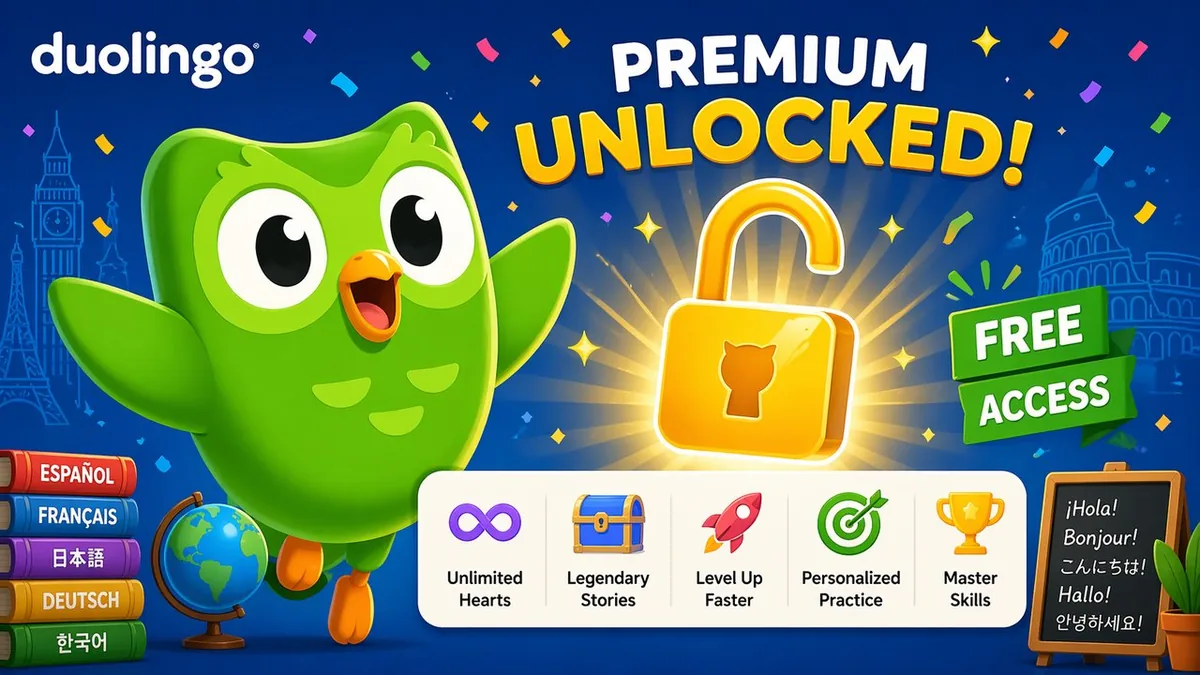
Duolingo just made a move that will send a shockwave through edtech: advanced language content is going free. For an app that built its empire on a freemium model — dangling harder lessons behind a paywall — this is a significant strategic pivot. And it raises an uncomfortable question for every other education platform: what are you actually charging for?
What's Actually Happening
Duolingo is expanding its free tier to include advanced-level content that was previously locked behind Duolingo Super (formerly Duolingo Plus). Free users will now be able to access more complex grammar lessons, higher-level vocabulary, and advanced course material without paying the monthly subscription fee.
The monetization model is shifting — Duolingo will lean harder into the Super subscription for things like ad-free experience, offline access, unlimited hearts, and streak repair, rather than content gating. It's a bet that engagement and retention matter more than hard paywalls in the current attention economy.
Why It Matters
Duolingo has over 100 million monthly active users. Opening advanced content to that base does two things: it increases the potential pool of engaged learners (more depth = more time spent), and it raises the baseline competitive pressure on every other edtech platform still gating their best content.
This mirrors what YouTube did when it made high-quality video accessible to everyone — the free product got so good that paid alternatives struggled to justify their price. If Duolingo's free tier is now genuinely excellent for advanced learners, platforms charging $20-50/month for comparable content will need a much clearer value proposition. The edtech race to the bottom just got faster. For more on how tech platforms are restructuring their free-vs-paid tiers, see our coverage of X's API pricing tightening and what it signals about platform economics.
My Take
This is a smart long-game move by Duolingo. The company already monetizes through ads on the free tier — more engaged free users means more ad inventory and higher advertiser value. Removing content gates also removes the friction that causes premium users to churn: if free is good enough, you don't lose that user entirely when they cancel.
The real question is whether this accelerates Duolingo's push into B2B (Duolingo for Business) and credentialing (the Duolingo English Test). That's where the real money is — not from individual subscriptions, but from institutions that need verified language proficiency at scale. Free advanced content builds the brand credibility to sell those enterprise deals. Generous free tier = trust = enterprise revenue. It's the classic freemium playbook, just better executed than most.
FAQ
What content is now free on Duolingo? Advanced-level language lessons that were previously exclusive to Duolingo Super subscribers are being made available to free users.
What does Duolingo Super still offer? The Super subscription retains perks like an ad-free experience, offline access, unlimited hearts (mistakes), and streak repair — features focused on experience quality rather than content access.
Why is Duolingo making this change? To increase engagement and retention across its free user base, improve advertising revenue from more active users, and strengthen the brand for potential B2B and certification revenue.
Does this affect other edtech platforms? It raises the competitive bar significantly. Platforms that rely on content gating as their primary monetization lever will need to differentiate more aggressively.
Related Articles
- X Is Charging Developers More as API Pricing Tightens Again
- Google Maps Gets an AI Upgrade: Smarter Search, Better Navigation