Anthropic Rolls Out Identity Verification for Claude: Government ID and Selfie May Be Required
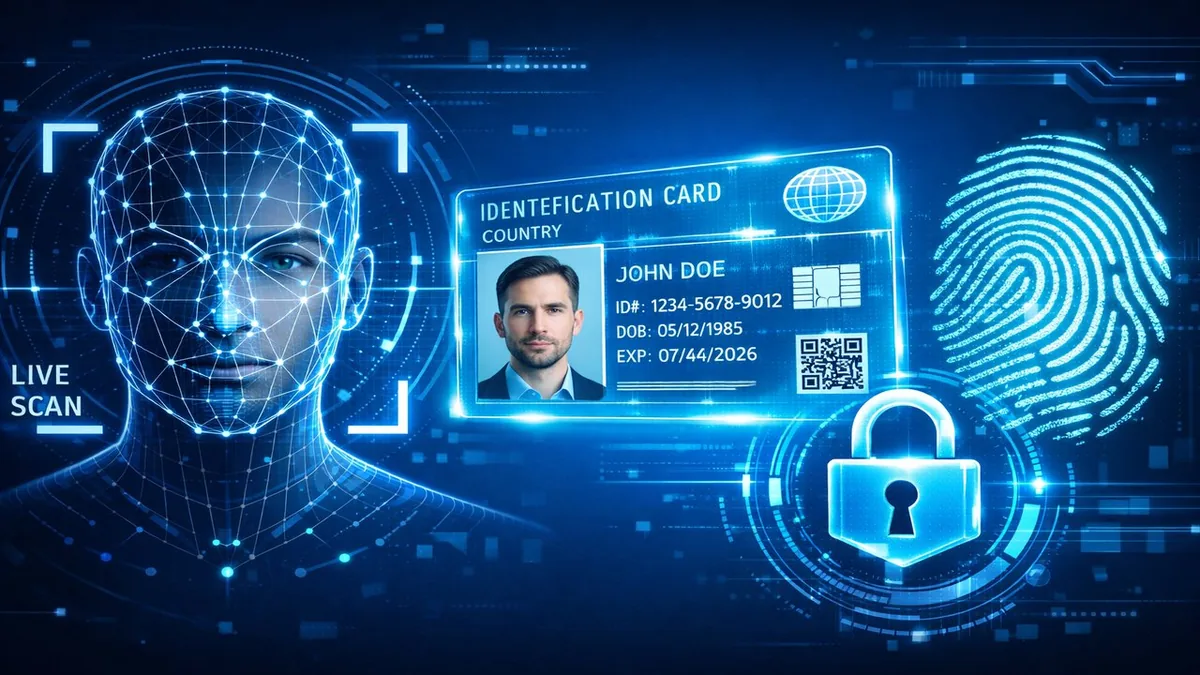
Anthropic is rolling out a new identity verification layer for Claude that could require users to submit a government-issued photo ID and pass a live selfie check before accessing certain features. The move signals a major shift in how AI companies think about accountability and misuse prevention.
What the Verification Process Involves
According to reports, Anthropic's system would ask users to upload a government ID — such as a passport or driver's license — and then complete a live selfie to confirm the ID matches the person accessing the account. The process mirrors the Know Your Customer (KYC) checks used widely in banking and financial services.
The verification appears to be tiered, applying to higher-risk use cases or elevated API access levels rather than casual users. Anthropic hasn't disclosed exactly which features or usage thresholds will trigger the requirement.
Why Anthropic Is Moving Toward ID Checks
The company has been vocal about responsible AI deployment, and identity verification is a direct response to growing concerns about anonymous misuse. AI models have been weaponized for disinformation, non-consensual imagery, fraud, and targeted harassment — all of which are harder to investigate or deter when users remain anonymous.
Tying accounts to verified real-world identities raises the stakes for bad actors. It also gives Anthropic a clearer paper trail if its systems are implicated in crimes or civil disputes.
Privacy Concerns and Industry Pushback
The announcement has already drawn criticism from privacy advocates who argue that mandatory ID checks create centralized biometric databases that are one breach away from catastrophic misuse. Critics also point out that the requirement could exclude users in regions where government ID is unreliable or politically sensitive.
There's also the chilling effect concern: researchers, journalists, and whistleblowers who use AI tools may be less willing to explore sensitive topics if they know their identity is permanently tied to their queries.
A Broader Trend Across the AI Industry
Anthropic isn't alone. Age verification legislation in the EU and several US states is pushing tech platforms to implement harder identity controls. OpenAI has similarly explored tiered access models. What's new here is the depth of the check — a live selfie paired with government ID goes significantly further than an email address or credit card.
If Anthropic's approach becomes standard, it could reshape who uses frontier AI models and how. The tradeoff between accessibility and accountability is one the industry will be debating for years.
The Bottom Line
Anthropic's identity verification push reflects a maturation of the AI industry's approach to trust and safety — but it comes at the cost of user privacy and accessibility. Whether this becomes the norm depends on whether it actually reduces harm or merely pushes bad actors to less scrupulous platforms.
Related Articles
- Apple and Google App Stores Are Promoting Nudify Apps That Generated $122M
- OpenAI Updates Agents SDK With Native Sandboxing
- EU Launches Open-Source Age Verification App for Child Safety