The Ultimate Guide to Event Management Software in 2025: Features, Benefits & Top Solutions
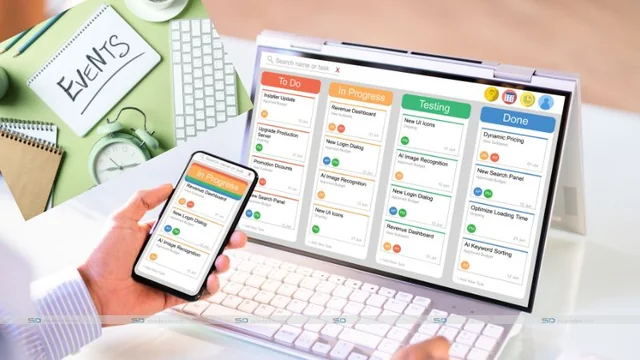
In today's fast-paced business environment, planning and executing successful events requires more than just organizational skills and a good venue. Whether you're organizing corporate conferences, trade shows, workshops, or social gatherings, event management software has become an essential tool for event professionals looking to streamline their processes and deliver exceptional experiences.
This comprehensive guide explores everything you need to know about event management software"”from understanding its core functionality to selecting the right solution for your specific needs. We'll dive into the key features, benefits, and trends shaping the event technology landscape in 2025, helping you make informed decisions that will elevate your event planning capabilities.
What is Event Management Software?
Event management software refers to specialized digital tools designed to simplify and automate various aspects of planning, promoting, and executing events. These platforms consolidate multiple event-related tasks into a single system, eliminating the need for disparate tools and manual processes that can lead to inefficiencies and errors.
Modern event planning software serves as a centralized hub where event organizers can:
- Create and manage event websites and registration pages
- Process ticket sales and registrations
- Communicate with attendees, speakers, and sponsors
- Coordinate venue logistics and scheduling
- Analyze event performance metrics
- Facilitate both in-person and virtual attendee experiences
Rather than juggling spreadsheets, email platforms, ticketing systems, and marketing tools, event professionals can leverage these comprehensive solutions to manage their entire event lifecycle through one integrated platform.
Evolution of Event Technology
The event technology landscape has evolved significantly over the past decade. What began as simple registration tools has transformed into sophisticated ecosystems that support every aspect of the event planning process.
Early event management systems primarily focused on basic registration and ticketing functionality. Today's solutions offer extensive capabilities that include:
- AI-powered attendee matching and networking
- Advanced data analytics and reporting
- Integrated marketing automation
- Mobile event applications
- Virtual and hybrid event capabilities
- Real-time audience engagement tools
- Seamless integrations with CRM systems and marketing platforms
This evolution reflects the growing complexity of modern events and the increasing expectations of attendees who demand personalized, engaging, and seamless experiences across both physical and digital environments.
Key Benefits of Using Event Management Software
Implementing the right event management tools can deliver substantial advantages for organizations of all sizes. Here are the primary benefits driving adoption among event professionals:
1. Time-Saving Automation
One of the most significant advantages of event management software is the automation of repetitive tasks. From sending confirmation emails to generating name badges, these systems handle routine processes automatically, allowing event teams to focus on more strategic initiatives.
Consider the registration process: Without dedicated software, teams might manually input attendee information, send confirmation emails, process payments, and update attendance lists. With an event registration platform, these tasks happen automatically, reducing hours of administrative work to mere minutes.
2. Streamlined Registration Process
The registration experience sets the tone for your entire event. Event registration software creates professional, branded registration pages that make signup simple for attendees while capturing all the information organizers need.
These systems offer flexible registration options, including:
- Multiple ticket types and pricing tiers
- Customizable registration forms
- Group registration capabilities
- Discount codes and promotional pricing
- Waitlist management
- Secure payment processing
By simplifying the registration process, organizations not only save time but also increase conversion rates and registration completions.
3. Enhanced Attendee Experience
Today's event attendees expect personalized, engaging experiences from the moment they register until after the event concludes. Event management software enables organizers to deliver these experiences through:
- Personalized communication based on attendee preferences and behavior
- Custom event agendas tailored to individual interests
- Mobile apps that provide easy access to event information
- Networking tools that connect attendees with similar interests
- Interactive elements like polls, Q&A sessions, and gamification
- Streamlined check-in processes that eliminate long lines
These enhanced experiences lead to higher attendee satisfaction, better engagement, and increased likelihood of future participation.
4. Real-Time Analytics and Reporting
Data-driven decision making is essential for event success. Event management systems provide comprehensive analytics dashboards that offer real-time insights into:
- Registration numbers and patterns
- Attendee demographics and behavior
- Session popularity and engagement levels
- Revenue metrics and financial performance
- Marketing campaign effectiveness
- Attendee feedback and satisfaction scores
With these insights, organizers can make informed adjustments before and during events, allocate resources more effectively, and demonstrate clear ROI to stakeholders.
5. Cost Reduction
While investing in event technology requires an upfront investment, the long-term cost savings can be substantial. Organizations typically reduce expenses through:
- Decreased staffing requirements for manual tasks
- Reduced paper usage and printing costs
- Fewer errors that require costly corrections
- More effective budget allocation based on data insights
- Increased revenue through improved marketing and upselling opportunities
- Time savings that allow teams to manage more events with the same resources
Many organizations report that these savings more than offset the cost of their event management software, making it a financially sound investment.
6. Improved Marketing and Promotion
Event marketing software components help organizers promote their events more effectively through:
- Email marketing campaigns with performance tracking
- Social media integration for wider reach
- Custom landing pages optimized for conversions
- SEO-friendly event websites that improve discoverability
- Referral programs that incentivize attendee promotion
- Targeted messaging based on attendee segments
These marketing capabilities help increase registration numbers and ensure that marketing budgets are used efficiently to reach the right audiences.
Essential Features of Modern Event Management Solutions
When evaluating event management software, it's important to understand the key features that differentiate basic tools from comprehensive solutions. Here are the essential capabilities to look for:
1. Event Registration and Ticketing
The foundation of any event management system is its registration and ticketing functionality. Look for:
- Customizable registration forms that capture relevant attendee information
- Multiple ticket types with different pricing options
- Secure payment processing with support for various payment methods
- Automatic confirmation emails and receipts
- Discount code functionality
- Group registration options
- Capacity management for venues and sessions
Advanced systems also offer features like dynamic pricing that adjusts based on registration dates, sophisticated discount structures, and integration with accounting systems.
2. Event Website and Landing Page Builder
Your event's online presence is crucial for attracting attendees. Robust event planning software includes:
- Drag-and-drop website builders requiring no coding skills
- Mobile-responsive design templates
- Custom domain options
- SEO optimization tools
- Integration with registration systems
- Ability to showcase speakers, sessions, and sponsors
- Multilingual support for global events
These tools enable even non-technical staff to create professional event websites that drive registrations and provide essential information to potential attendees.
3. Attendee Management
Managing attendee information efficiently is critical for event success. Look for attendee management features such as:
- Comprehensive attendee databases with filtering and searching capabilities
- Attendee communication tools
- Check-in functionality via mobile devices
- Badge printing systems
- Access control for restricted areas or sessions
- Attendance tracking across sessions
- Post-event follow-up automation
These capabilities ensure that you maintain accurate records of who's attending and can communicate with them effectively throughout the event lifecycle.
4. Mobile Event Apps
In 2025, mobile event apps have become an essential component of the attendee experience. Key features include:
- Personalized agendas and schedules
- Interactive venue maps
- Networking functionality to connect with other attendees
- Live polling and Q&A capabilities
- Push notifications for important updates
- Digital resource libraries
- Feedback collection tools
- Activity feeds and social walls
Mobile apps extend engagement beyond the physical event space and provide valuable data on attendee behavior and preferences.
5. Virtual and Hybrid Event Capabilities
The rise of virtual event platforms has transformed the industry, making it essential for modern event management software to support:
- Live streaming of sessions and presentations
- On-demand content libraries
- Virtual networking spaces
- Digital exhibitor booths
- Integrated chat and video conferencing
- Virtual breakout rooms
- Simultaneous engagement for in-person and remote attendees
These features ensure that events can reach wider audiences regardless of geographic constraints and adapt to changing circumstances.
6. Analytics and Reporting
Data-driven insights are essential for measuring success and improving future events. Comprehensive analytics should include:
- Real-time attendance tracking
- Session popularity metrics
- Engagement scoring
- Revenue analysis
- Marketing performance data
- Survey results and feedback compilation
- Customizable reports for different stakeholders
- Export capabilities for further analysis
The most sophisticated platforms use AI to identify patterns and provide recommendations for improving future events.
7. Integration Capabilities
No event management software exists in isolation. Look for platforms that integrate with:
- Customer Relationship Management (CRM) systems
- Marketing automation platforms
- Email marketing tools
- Accounting and finance software
- Social media platforms
- Survey and feedback tools
- Business intelligence systems
These integrations ensure smooth data flow between your event platform and other business systems, creating a unified technology ecosystem.
Types of Events That Benefit from Event Management Software
While event management software offers advantages for virtually any gathering, certain event types particularly benefit from these digital tools:
Corporate Conferences and Meetings
Large-scale corporate events involve complex logistics, multiple sessions, and diverse attendee needs. Corporate event planning software helps manage:
- Multi-track agenda planning
- Speaker management
- Sponsor coordination
- Complex registration rules
- Session capacity planning
- Executive briefings and VIP experiences
- ROI measurement
For corporate planners, these tools provide the structure needed to execute professional, polished events that reflect positively on their organizations.
Trade Shows and Exhibitions
Trade shows require coordination between exhibitors, attendees, and venue staff. Event management systems support:
- Exhibitor registration and management
- Booth allocation and floor planning
- Lead capture capabilities
- Appointment scheduling between buyers and sellers
- Exhibitor promotion and visibility
- Traffic flow monitoring
- ROI tracking for exhibitors
These features help create productive environments where meaningful business connections can form.
Academic Conferences
Academic events often involve abstract submissions, peer reviews, and complex scheduling. Specialized conference management tools offer:
- Abstract submission and review workflows
- Academic paper management
- Poster session coordination
- Research presentation scheduling
- Academic credential verification
- Continuing education credit tracking
These capabilities streamline the unique requirements of scholarly gatherings.
Fundraising Events and Galas
Nonprofit organizations leverage event management software for:
- Donation processing during registration
- Fundraising goal tracking
- Silent auction management
- Sponsor recognition
- Fund allocation transparency
- Donor communication
- Tax receipt generation
These features help maximize the fundraising potential of charitable events while minimizing administrative burden.
Virtual and Hybrid Events
The dramatic rise in virtual and hybrid formats requires specialized tools for:
- Seamless streaming to remote audiences
- Simultaneous engagement of in-person and virtual attendees
- Digital networking spaces
- Content delivery across time zones
- Recording and on-demand access
- Virtual sponsor and exhibitor experiences
- Integrated virtual and physical attendee data
As hybrid events become the norm rather than the exception, these capabilities have moved from nice-to-have to essential.
How to Choose the Right Event Management Software for Your Needs
With numerous options available, selecting the right event management software requires careful consideration of several factors:
1. Assess Your Specific Requirements
Begin by documenting your event processes and identifying pain points that software could address. Consider:
- Types and sizes of events you typically manage
- Number of events per year
- Key challenges in your current process
- Must-have vs. nice-to-have features
- Budget constraints
- Technical capabilities of your team
This assessment creates a clear picture of what you need from an event management system.
2. Consider Scalability and Growth
Choose software that can grow with your organization. Ask yourself:
- Will this solution support larger events as we expand?
- Can it handle increasing numbers of events per year?
- Does it offer tiered pricing that aligns with our growth trajectory?
- Can features be added modularly as needs evolve?
- Is the platform regularly updated with new capabilities?
Investing in scalable software prevents the need for disruptive platform changes as your event program matures.
3. Evaluate User Experience
The usability of your event management software affects both your team and your attendees:
- For your team: Look for intuitive interfaces, comprehensive training resources, and responsive support
- For attendees: Evaluate the registration process, mobile experience, and overall user journey
Request demos from multiple vendors and involve key team members in the evaluation process to ensure the platform meets usability requirements.
4. Review Integration Capabilities
Your event technology should work seamlessly with your existing tools. Identify:
- Must-have integrations with current systems
- API availability for custom integrations
- Data export/import capabilities
- Single sign-on options for simplified access
These integration points ensure your event data flows smoothly across your technology ecosystem.
5. Analyze Total Cost of Ownership
Look beyond the subscription fee to understand the full financial impact:
- Implementation costs
- Training expenses
- Additional fees for premium features
- Per-registration or per-event costs
- Payment processing fees
- Technical support costs
- Customization expenses
This comprehensive view prevents budget surprises and enables accurate ROI calculations.
6. Prioritize Security and Compliance
With increasing privacy regulations and cyber threats, security is non-negotiable:
- Verify data encryption standards
- Review GDPR, CCPA, and other privacy compliance measures
- Assess payment processing security
- Check for SOC 2 compliance or similar certifications
- Understand data retention and ownership policies
These security measures protect both your organization and your attendees.
Top Event Management Software Solutions in 2025
The event management software market includes a diverse range of platforms with different strengths and specializations. Here's an overview of leading solutions in 2025:
For Large Enterprise Events
Cvent continues to dominate the enterprise space with its comprehensive suite of tools for complex, large-scale events. Its strengths include:
- End-to-end event management capabilities
- Robust reporting and analytics
- Strong venue sourcing functionality
- Enterprise-grade security and compliance
- Extensive integration ecosystem
Bizzabo has established itself as a powerful competitor in the enterprise space with:
- Sophisticated event marketing capabilities
- Advanced networking features
- Strong virtual and hybrid event tools
- Comprehensive mobile experience
- Data-driven personalization
For Mid-Size Organizations
Aventri (formerly Etouches) offers a balanced solution for mid-market organizations with:
- Intuitive user interface
- Strong budgeting and financial tracking
- Comprehensive event marketing tools
- Robust analytics capabilities
- Flexible pricing models
Hopin has rapidly evolved from a virtual event specialist to a comprehensive platform offering:
- Seamless hybrid event experiences
- Powerful networking features
- Interactive expo and sponsor capabilities
- Integrated streaming technology
- User-friendly interface
For Small Businesses and Simple Events
Eventbrite remains popular for straightforward events with:
- Simple, user-friendly interface
- Strong consumer discovery platform
- Affordable pricing structure
- Basic but effective analytics
- Excellent mobile experience
Whova has gained popularity among smaller organizations for its:
- All-in-one approach with no need for additional tools
- Outstanding mobile app experience
- Community building features
- Affordable pricing model
- Excellent customer support
Specialized Solutions
HubSpot Events excels for marketing-focused events with:
- Deep integration with HubSpot CRM
- Powerful marketing automation
- Lead tracking and scoring
- Attendee journey mapping
- Comprehensive ROI measurement
Zoom Events has evolved beyond webinars to offer:
- Seamless virtual event experiences
- Familiar interface for attendees
- Strong video quality and reliability
- Integrated networking capabilities
- Straightforward pricing model
Event Management Software for Different Business Sizes
The ideal event management solution varies significantly based on organizational size and needs:
Enterprise Solutions
Large corporations typically require:
- Robust security and compliance features
- Enterprise-grade SLAs and support
- Global capabilities with multi-language support
- Deep integrations with enterprise systems
- Sophisticated reporting for executive stakeholders
- Advanced customization options
Corporate event planning software at this level typically involves significant investment but delivers the comprehensive capabilities necessary for complex, high-stakes events.
Mid-Market Platforms
Mid-sized organizations typically seek balance between functionality and cost:
- Core features covering the entire event lifecycle
- Reasonable customization capabilities
- Straightforward implementation process
- Predictable pricing structures
- Sufficient security for business requirements
- Responsive customer support
These organizations often find the best value in platforms that offer modular approaches, allowing them to pay for only the capabilities they need.
Small Business and Startup Options
Smaller organizations and those just beginning their event programs need:
- User-friendly interfaces requiring minimal training
- Affordable pricing models (often per-event rather than subscription)
- Essential features without overwhelming complexity
- Self-service implementation options
- Basic but effective reporting
- Template-based designs requiring minimal customization
These organizations benefit from platforms that can grow with them but don't require significant upfront investment.
The Future of Event Technology: Emerging Trends
The event technology landscape continues to evolve rapidly. Here are the key trends shaping the future of event management software:
AI-Powered Event Planning
Artificial intelligence is transforming event management through:
- Predictive analytics for attendance forecasting
- Automated scheduling recommendations
- Personalized attendee journeys
- Smart matchmaking for networking
- Chatbots for instant attendee support
- Content recommendations based on attendee behavior
These AI capabilities are making events more personalized while reducing the planning burden on event teams.
Hybrid Event Technology
The fusion of physical and digital experiences continues to mature with:
- Simultaneous engagement platforms for in-person and remote attendees
- Digital twins of physical venues
- Equal networking opportunities regardless of attendance mode
- Consistent content delivery across channels
- Unified data collection and analytics
- Seamless transitions between virtual and physical components
These advancements are creating truly integrated experiences rather than parallel physical and virtual events.
Contactless Event Solutions
The emphasis on health and safety has accelerated contactless technology adoption:
- Facial recognition for check-in
- Digital badges and credentials
- Touchless payment options
- QR code-based information sharing
- Proximity-based networking
- Voice-controlled interactions
These contactless solutions improve both safety and efficiency at physical events.
Advanced Event Analytics
Data-driven decision making continues to evolve with:
- Real-time sentiment analysis
- Predictive modeling for attendance and engagement
- Heat mapping of venue traffic patterns
- Attribution modeling for conversion tracking
- Unified reporting across physical and digital touchpoints
- Benchmarking against industry standards
These analytical capabilities provide deeper insights for continuous event improvement.
Sustainability Features
Environmental considerations are increasingly important in event planning:
- Carbon footprint calculators
- Digital alternatives to printed materials
- Sustainable vendor recommendation engines
- Waste reduction tracking
- Carbon offset integration
- Virtual participation options to reduce travel impact
These features help organizations meet sustainability goals while demonstrating environmental responsibility to attendees.
Implementation Best Practices
Successfully implementing event management software requires careful planning and execution:
1. Develop a Clear Implementation Strategy
Before diving into a new system:
- Document your current processes and workflows
- Identify process improvements to implement alongside the new software
- Establish clear objectives and success metrics
- Create a realistic timeline with key milestones
- Assign clear responsibilities to team members
- Plan for data migration from existing systems
This strategic approach ensures the implementation aligns with organizational goals.
2. Invest in Proper Training
User adoption is critical for success:
- Schedule comprehensive training sessions for all users
- Create role-specific training materials
- Develop internal documentation for organization-specific processes
- Identify power users who can support their colleagues
- Utilize vendor-provided resources and training programs
- Plan refresher sessions after initial implementation
Thorough training maximizes return on your software investment by ensuring full utilization of available features.
3. Start Small and Expand
Rather than implementing every feature simultaneously:
- Begin with core functionality for a single event
- Add capabilities progressively as the team gains confidence
- Collect feedback and address issues before expanding usage
- Celebrate early wins to build momentum
- Document lessons learned for future implementation phases
This measured approach reduces risk and increases the likelihood of long-term adoption.
4. Establish Data Management Protocols
Data quality is essential for effective event management:
- Create standardized data entry procedures
- Implement validation rules to maintain data integrity
- Establish regular data cleaning processes
- Define data retention policies
- Document reporting requirements and procedures
- Train team members on data privacy requirements
These protocols ensure your event data remains accurate and useful for analysis.
Common Challenges and How to Overcome Them
Even with careful planning, organizations may encounter obstacles when implementing event management software:
Challenge: Resistance to Change
Team members accustomed to existing processes may resist new systems.
Solution:
- Involve key stakeholders early in the selection process
- Clearly communicate the benefits for each team member
- Provide adequate training and support
- Gather and address feedback consistently
- Celebrate successes and improvements
- Consider phased implementation to ease transition
Challenge: Integration Difficulties
Connecting event management systems with existing technology can be complex.
Solution:
- Document all required integration points before selection
- Involve IT teams early in the process
- Conduct thorough testing before full implementation
- Consider middleware solutions for complex integrations
- Prioritize critical integrations and phase in others gradually
- Establish clear data flow documentation
Challenge: Budget Constraints
Comprehensive event technology represents a significant investment.
Solution:
- Focus on ROI rather than just costs
- Start with essential modules and expand over time
- Compare total cost of ownership across platforms
- Consider time savings and efficiency gains
- Explore annual payment discounts
- Negotiate multi-year contracts for better rates
Challenge: Data Migration Complexity
Transferring historical data to new systems can be challenging.
Solution:
- Clean and standardize data before migration
- Consider phased migration starting with current and future events
- Utilize vendor migration services when available
- Maintain parallel systems during transition periods
- Thoroughly test migrated data before retiring legacy systems
- Create clear data mapping documentation
Measuring ROI from Your Event Management Software
Demonstrating the value of your event management software investment requires systematic measurement:
1. Establish Baseline Metrics
Before implementation, document:
- Time spent on key processes
- Error rates and correction costs
- Manual labor costs for event management
- Registration conversion rates
- Attendee satisfaction scores
- Marketing effectiveness metrics
These baselines provide comparison points for post-implementation assessment.
2. Track Time and Resource Savings
Quantify efficiency improvements:
- Reduced hours spent on administrative tasks
- Decreased staffing requirements for event execution
- Lower error rates and associated correction costs
- Faster response times to attendee inquiries
- Reduced need for printed materials
- More events managed with the same team size
These savings often represent the most tangible ROI components.
3. Measure Revenue Impact
Assess how the software affects financial outcomes:
- Increased registration conversion rates
- Higher average revenue per attendee
- Improved upsell and cross-sell results
- More effective sponsor acquisition and retention
- Reduced attrition rates
- Higher post-event product/service sales
Revenue improvements can quickly offset software costs.
4. Evaluate Attendee Experience Improvements
Quantify experience enhancements:
- Improved attendee satisfaction scores
- Higher Net Promoter Scores
- Increased attendee engagement metrics
- Better session attendance rates
- More positive social media sentiment
- Increased repeat attendance
These metrics reflect the qualitative improvements that drive long-term event success.
5. Calculate Comprehensive ROI
Combine financial and non-financial metrics into a comprehensive ROI analysis:
- Direct cost savings vs. software investment
- Revenue increases attributable to improved processes
- Value of time savings for strategic initiatives
- Long-term value of improved attendee experiences
- Competitive advantage gained through technology
- Risk reduction through improved compliance and security
This holistic approach provides a complete picture of your investment's return.
Conclusion
In 2025, event management software has become an indispensable tool for organizations seeking to create memorable, effective events while maximizing efficiency and data-driven insights. As the lines between physical and digital experiences continue to blur, these platforms provide the infrastructure needed to deliver cohesive, engaging experiences regardless of how attendees choose to participate.
When selecting an event management system, focus on your organization's specific needs, growth trajectory, and integration requirements. Prioritize solutions that offer the right balance of functionality and usability for your team, with security and scalability to support your long-term event strategy.
While implementing new technology always involves challenges, the potential benefits"”including time savings, enhanced attendee experiences, improved data collection, and increased revenue"”make the investment worthwhile for organizations committed to event excellence.
By carefully selecting, implementing, and leveraging the right event management software, you can transform your event program from a series of logistical challenges into a strategic asset that delivers measurable value to both your organization and your attendees.