
In an era where technology shapes every aspect of urban life, some cities have emerged as beacons of innovation, sustainability, and digital transformation. These advanced urban centers seamlessly integrate cutting-edge technology with infrastructure, governance, and daily life to create environments that are more efficient, livable, and future-ready. From AI-powered traffic management systems to comprehensive digital government services, the world's most advanced cities are redefining what it means to live in the 21st century.
Advanced cities are characterized by their adoption of smart city technologies, sustainable development practices, robust digital infrastructure, and citizen-centric services. They leverage Internet of Things (IoT) sensors, big data analytics, artificial intelligence, and renewable energy systems to optimize everything from waste management to public transportation. These urban environments don't just embrace technology for its own sake—they strategically implement innovations to solve real problems and improve quality of life for their residents.
Updated for 2026: rankings vary by methodology, so we blend two respected lenses. On the livability-focused IMD Smart City Index (2026), Zurich holds the #1 spot with Oslo and Geneva close behind, while Dubai and Abu Dhabi have surged into the global top five on heavy infrastructure investment and Singapore remains Asia's highest-ranked smart city. On the innovation-focused WIPO Global Innovation Index 2025, the world's leading technology clusters are Shenzhen–Hong Kong–Guangzhou, Tokyo–Yokohama and San Jose–San Francisco. The cities profiled below are chosen across both lenses — smart-city maturity and raw technological innovation — not a single index.
Quick Comparison Overview
| City | Key Strengths | Smart City Score | Population | Notable Innovations |
|---|---|---|---|---|
| Zurich, Switzerland | Sustainability, quality of life, smart grid | 9.4/10 | 434,000 | #1 IMD Smart City Index, energy-efficient buildings |
| Singapore | Digital governance, IoT integration | 9.2/10 | 5.9 million | Smart Nation initiative, digital ID |
| Seoul, South Korea | Digital infrastructure, connectivity | 9.0/10 | 9.7 million | 5G networks, digital mayor office |
| Shenzhen, China | Tech manufacturing, innovation | 8.9/10 | 17.6 million | #1 WIPO innovation cluster, cashless city |
| Dubai, UAE | Digital government, autonomous transport | 8.8/10 | 3.6 million | 100% paperless government, blockchain services |
| Abu Dhabi, UAE | E-government, clean energy | 8.7/10 | 1.5 million | TAMM super-app, Masdar City |
| San Francisco, USA | AI & startups, autonomous vehicles | 8.7/10 | 810,000 | Silicon Valley hub, Waymo robotaxis |
| Tokyo, Japan | Transportation, disaster preparedness | 8.6/10 | 37.4 million | Smart mobility, earthquake prediction |
| Stockholm, Sweden | Environmental tech, carbon neutrality | 8.5/10 | 975,000 | District heating, congestion pricing |
| Copenhagen, Denmark | Cycling infrastructure, green energy | 8.4/10 | 660,000 | Smart traffic lights, wind power |
| Amsterdam, Netherlands | Circular economy, data analytics | 8.3/10 | 873,000 | Algorithm transparency, smart lighting |
Key Statistics at a Glance
| City | Avg. Internet Speed | Renewable Energy % | Public Transit Usage | Digital Services Adoption |
|---|---|---|---|---|
| Zurich | 229 Mbps | 75% | 54% | 85% |
| Singapore | 300 Mbps | 3% (land-limited) | 66% | 97% |
| Seoul | 1.5 Gbps (5G) | 8% | 65% | 90% |
| Shenzhen | 300 Mbps | 30% | 60% | 95% (cashless) |
| Dubai | 250 Mbps | 15% | 20% (car-centric) | 96% |
| Abu Dhabi | 240 Mbps | 12% | 18% | 92% |
| San Francisco | 260 Mbps | 48% | 34% | 88% |
| Tokyo | 225 Mbps | 22% | 78% | 82% |
| Stockholm | 200 Mbps | 70% | 44% | 88% |
| Copenhagen | 185 Mbps | 100% (electricity) | 35% + 50% cycling | 80% |
| Amsterdam | 190 Mbps | 35% | 34% + 48% cycling | 83% |
Detailed Analysis of the World's Most Advanced Cities
Zurich, Switzerland
The world\'s #1-ranked smart city

Zurich combines Swiss precision with cutting-edge sustainability technology, creating one of the world's most livable and environmentally advanced cities. The city has achieved remarkable success in reducing carbon emissions while maintaining economic prosperity through smart energy systems and innovative urban planning.
- 2000-watt society goal with 40% reduction in energy consumption achieved
- Smart grid system optimizing renewable energy distribution
- Integrated public transport system with real-time optimization
- Digital waste management reducing collection costs by 30%
- Smart building standards mandatory for new construction
- Comprehensive bike-sharing and e-mobility infrastructure
Singapore
Asia's leading smart city-state

Singapore stands as the gold standard for smart city development, with its comprehensive Smart Nation initiative transforming every aspect of urban life. The city-state has invested heavily in digital infrastructure, creating an interconnected ecosystem where government services, transportation, healthcare, and commerce operate seamlessly through digital platforms.
- SingPass digital identity system used by 97% of citizens
- Comprehensive IoT sensor network monitoring air quality, traffic, and urban conditions
- AI-powered predictive maintenance for public housing
- Cashless payment systems integrated across all public services
- Smart traffic management reducing congestion by 25%
- Telehealth services covering 80% of routine medical consultations
Seoul, South Korea
Digital governance and connectivity pioneer
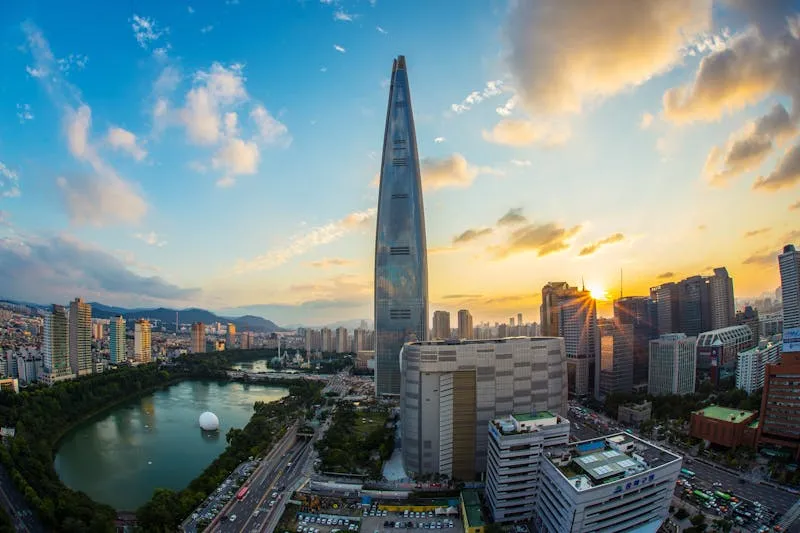
Seoul has transformed itself into a digital metropolis with world-class connectivity infrastructure and innovative e-governance systems. The city leads in 5G deployment, digital citizen services, and technology-enabled urban management, setting benchmarks for other major cities worldwide.
- Comprehensive 5G coverage with average speeds of 1.5 Gbps
- Digital Mayor's Office handling 90% of citizen requests online
- AI-powered Seoul Botnet detecting and preventing cyber threats
- Smart work centers reducing commuting by 35% for participating workers
- IoT-based air quality monitoring with real-time public alerts
- Blockchain-based voting system for citizen participation
Shenzhen, China
China's hardware and innovation powerhouse

Shenzhen has gone from fishing village to the world's leading technology cluster in a single generation. Topping the WIPO Global Innovation Index and home to Huawei, Tencent, BYD and DJI, it pairs enormous patent output with an almost entirely cashless, sensor-rich urban life.
- #1 science & technology cluster in the WIPO Global Innovation Index 2025
- Headquarters of Huawei, Tencent, DJI and BYD
- Near-universal mobile payments (WeChat Pay / Alipay)
- One of the world's largest all-electric bus and taxi fleets
- Extensive 5G coverage and smart-logistics networks
- Leading testbed for drones and autonomous vehicles
Dubai, UAE
The Middle East's smart-government pioneer
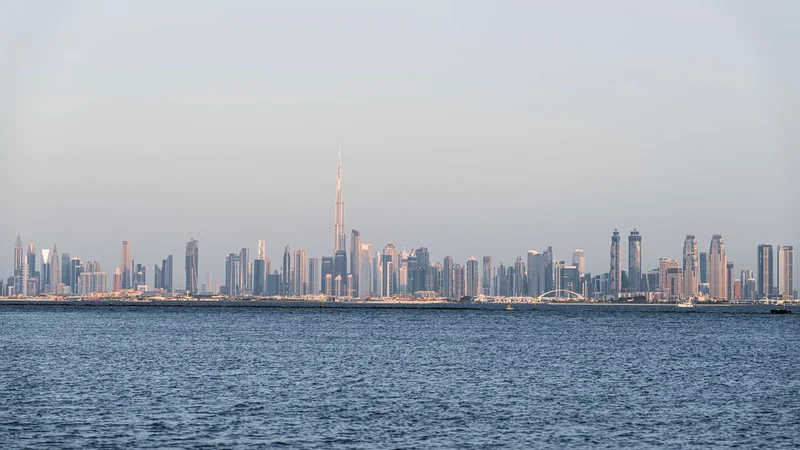
Dubai has surged into the global smart-city top five, powered by heavy investment and one of the world's most ambitious digital-government programs. It runs a fully paperless administration, blockchain-based public services and a rapidly expanding autonomous-transport network.
- 100% paperless government under the Dubai Paperless Strategy
- Blockchain-powered public services and records
- Target of 25% autonomous journeys by 2030
- AI-driven traffic management and smart mobility (RTA)
- Digital Dubai city platform and unified apps
- Fastest riser in the IMD Smart City Index top five
Abu Dhabi, UAE
A top-five smart city built on digital government
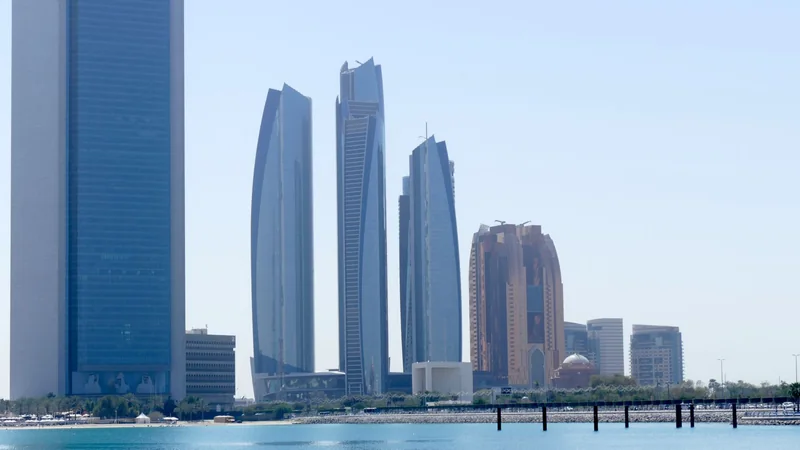
Abu Dhabi has climbed into the IMD Smart City Index top five, combining deep investment in digital public services with clean-energy and AI ambitions. Its TAMM platform unifies hundreds of government services, while Masdar City is a living testbed for sustainable urban technology.
- TAMM super-app unifying 600+ government services
- Masdar City sustainable-technology testbed
- Major AI investment, home to MBZUAI
- Autonomous-transport and smart-mobility pilots
- Clean-energy push toward net-zero by 2050
- Ranked in the global top five of the IMD Smart City Index
San Francisco, USA
The United States' innovation capital

San Francisco and the surrounding Silicon Valley form one of the world's top innovation clusters and the leading US hub for advanced urban technology. It is the epicenter of the AI boom and the first city where driverless robotaxis operate at commercial scale.
- Heart of Silicon Valley — the top US innovation cluster
- Commercial driverless robotaxi service (Waymo)
- Global center of the AI industry and venture capital
- Dense startup ecosystem and research universities
- Open-data platforms and civic-tech initiatives
- Highest US concentration of technology talent
Tokyo, Japan
Smart mobility and disaster resilience leader

Tokyo excels in transportation innovation and disaster preparedness technology, managing the world's largest metropolitan area through sophisticated systems that ensure efficiency and safety. The city's approach to smart mobility and risk management serves as a model for other megacities.
- AI-optimized train system handling 40 million daily passengers
- Earthquake early warning system with 10-60 second advance notice
- Smart traffic signals reducing intersection wait times by 20%
- Integrated disaster response system connecting all emergency services
- Autonomous vehicle testing zones in preparation for full deployment
- Energy-efficient building standards reducing consumption by 50%
Stockholm, Sweden
Carbon-neutral innovation hub

Stockholm leads the world in environmental technology and sustainable urban development, with ambitious goals to become carbon neutral by 2040. The city has successfully implemented innovative solutions for energy efficiency, waste management, and green transportation that other cities are now adopting.
- District heating system serving 90% of buildings with renewable energy
- Congestion pricing system reducing traffic by 20% and emissions by 14%
- Smart waste management with pneumatic collection systems
- Fossil fuel-free public transport fleet by 2026
- Green building certification required for all new construction
- Integrated renewable energy grid with 70% clean energy
Copenhagen, Denmark
Bicycle-friendly green technology leader
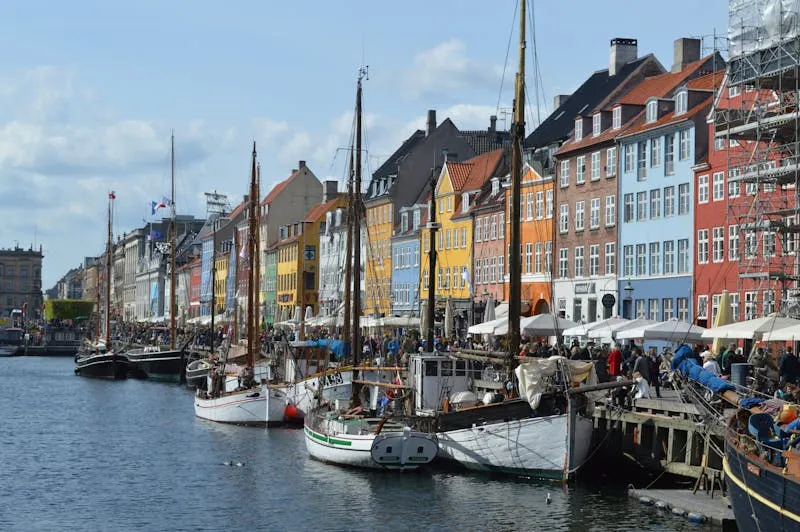
Copenhagen has created the world's most bicycle-friendly urban environment while pioneering green energy solutions and smart city technologies. The city's integrated approach to sustainable transportation, renewable energy, and citizen-centric services makes it a model for livable smart cities.
- 50% of citizens commute by bicycle daily with smart traffic light prioritization
- 100% renewable electricity from wind and biomass sources
- Smart parking systems reducing search time by 43%
- IoT sensors monitoring air quality, noise, and traffic in real-time
- District cooling system using seawater for energy efficiency
- Digital citizen portal handling 80% of municipal services online
Amsterdam, Netherlands
Circular economy and algorithm transparency pioneer
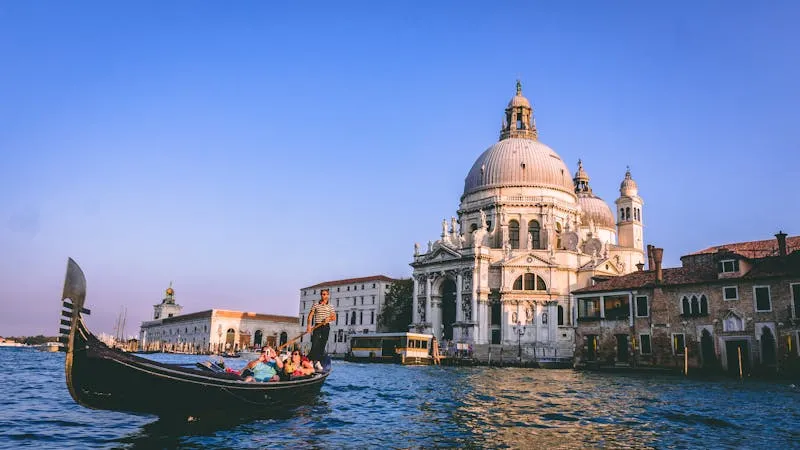
Amsterdam stands out for its innovative approach to the circular economy and its groundbreaking work in algorithm transparency and ethical AI. The city combines smart technology with strong privacy protections and citizen participation in urban planning decisions.
- Algorithm register providing transparency on all AI systems used by government
- Circular economy initiatives reducing waste by 50% by 2030
- Smart lighting system adapting to weather and usage patterns
- Comprehensive bike infrastructure with IoT-enabled sharing systems
- Data minimization policies protecting citizen privacy
- Living labs allowing citizen participation in smart city testing
Honorable Mentions
While our top 11 cities lead the pack, several other urban centers deserve recognition for their impressive smart city initiatives:
| City | Country | Notable Achievement | Why It Almost Made the List |
|---|---|---|---|
| Barcelona | Spain | IoT sensor pioneer, citizen participation | A foundational smart-city model — 20,000+ sensors and the Decidim digital-participation platform |
| Helsinki | Finland | Open data pioneer, MaaS birthplace | Invented Mobility as a Service (Whim app); carbon neutral by 2035 goal |
| London | UK | Smart transport, urban data platform | TfL open data drives 600+ apps; pioneering congestion charge and ULEZ zones |
| Taipei | Taiwan | Smart healthcare, digital democracy | Pioneering digital citizen participation; advanced healthcare IT integration |
Head-to-Head Comparisons
Digital Infrastructure: Singapore vs Seoul
Both Singapore and Seoul excel in digital infrastructure, but with different approaches. Singapore's strength lies in its comprehensive integration of services through the SingPass system, creating a seamless digital experience for citizens. The city-state's smaller size allows for more centralized control and faster implementation of new technologies.
Seoul, on the other hand, leads in raw connectivity with its extensive 5G network and higher internet speeds. The city's Digital Mayor's Office represents one of the most advanced e-governance systems globally, handling the majority of citizen requests digitally. Seoul's larger scale presents greater challenges but also demonstrates how digital solutions can work in massive metropolitan areas.
Sustainability: Stockholm vs Copenhagen
Stockholm and Copenhagen represent two different but equally effective approaches to urban sustainability. Stockholm's district heating system and comprehensive renewable energy infrastructure demonstrate how cities can achieve large-scale decarbonization through systematic infrastructure investments.
Copenhagen's approach centers on behavioral change through infrastructure that encourages sustainable choices, particularly its world-class cycling infrastructure. The city's success in making sustainable transportation the preferred option for citizens offers lessons for cities looking to reduce emissions through lifestyle changes rather than just technological solutions.
Innovation Approach: Amsterdam vs Barcelona
Amsterdam and Barcelona both prioritize citizen participation but through different mechanisms. Amsterdam's focus on algorithm transparency and ethical AI represents a more regulatory approach to ensuring technology serves citizens' interests. The city's circular economy initiatives show how environmental goals can be integrated with smart city development.
Barcelona's extensive IoT sensor network provides more comprehensive data collection, but the city balances this with strong citizen participation through platforms like Decidim. Barcelona's approach demonstrates how cities can be both data-driven and democratically participatory.
Best Cities for Different Use Cases
Best for Digital Government Services
Winner: Singapore
Singapore's SingPass system and integrated digital services platform represent the gold standard for digital government. Citizens can access virtually all government services through a single, secure digital identity, from tax filing to healthcare appointments. The system's 97% adoption rate demonstrates both its effectiveness and citizen trust.

Best for Environmental Sustainability
Winner: Stockholm
Stockholm's systematic approach to carbon reduction through district heating, renewable energy, and congestion pricing has achieved measurable results in emissions reduction while maintaining quality of life. The city's 2040 carbon neutrality goal is supported by concrete infrastructure investments and proven technologies.
Best for Transportation Innovation
Winner: Tokyo
Tokyo's ability to move 40 million people daily through its integrated transportation system, enhanced by AI optimization and real-time adjustments, is unmatched globally. The city's investment in autonomous vehicle infrastructure and smart traffic management systems positions it as the leader in urban mobility solutions.
Best for Citizen Participation
Winner: Barcelona
Barcelona's Decidim platform and comprehensive approach to digital democracy allow citizens to participate meaningfully in city planning and policy decisions. The city's combination of extensive data collection through IoT sensors with citizen input creates a model for responsive urban governance.
Best for Quality of Life
Winner: Zurich
Zurich consistently ranks at the top of global livability indices while implementing advanced smart city technologies. The city's focus on energy efficiency, integrated transportation, and high-quality public services demonstrates how technology can enhance rather than complicate urban life.
Best for Scalable Solutions
Winner: Seoul
Seoul's success in implementing smart city solutions across a metropolitan area of nearly 10 million people provides the best model for other large cities. The city's digital infrastructure and e-governance systems prove that advanced urban technology can work at scale.
Key Technologies and Innovations
Internet of Things (IoT) Integration
The most advanced cities deploy extensive IoT sensor networks to monitor and manage urban systems in real-time. Barcelona leads with over 20,000 sensors, while Singapore uses IoT for predictive maintenance of public housing. These sensors collect data on air quality, traffic flow, energy consumption, and infrastructure conditions, enabling proactive rather than reactive city management.
Artificial Intelligence and Machine Learning
AI powers many of the smart systems in advanced cities. Tokyo uses machine learning to optimize train schedules and predict maintenance needs, while Seoul employs AI for cybersecurity and citizen service delivery. Singapore's AI-powered traffic management system has reduced congestion significantly by predicting and preventing bottlenecks before they occur.
Digital Identity and E-Governance
Secure digital identity systems enable comprehensive e-governance services. Singapore's SingPass and Seoul's digital ID systems allow citizens to access all government services online securely. These systems reduce bureaucracy, improve service delivery, and enable more responsive governance through better data on citizen needs and preferences.
Renewable Energy and Smart Grids
Advanced cities integrate renewable energy sources through intelligent grid systems that balance supply and demand in real-time. Stockholm's district heating system and Copenhagen's wind power infrastructure demonstrate how cities can achieve energy independence while reducing emissions. Smart grids enable better integration of distributed renewable sources and electric vehicle charging.
Mobility as a Service (MaaS)
The most advanced cities treat transportation as an integrated service rather than separate modes. Tokyo's seamless integration of different transport types, Copenhagen's bicycle prioritization system, and Amsterdam's comprehensive sharing economy demonstrate how technology can make sustainable transportation more convenient than car ownership.
Implementation Challenges and Solutions
Privacy and Data Protection
Advanced cities must balance data collection for city optimization with citizen privacy rights. Amsterdam's algorithm transparency register and data minimization policies show how cities can be both smart and privacy-respecting. The key is implementing privacy-by-design principles and maintaining citizen trust through transparency.
Digital Divide and Inclusion
Smart city technologies risk excluding citizens who lack digital skills or access. Singapore addresses this through comprehensive digital literacy programs and maintaining offline service options. Cities must ensure that digital transformation enhances rather than replaces human services for those who need them.
Infrastructure Investment and ROI
The high upfront costs of smart city infrastructure require long-term planning and demonstrated returns on investment. Stockholm's energy efficiency investments pay for themselves through reduced operating costs, while Seoul's digital services reduce administrative expenses. Successful cities focus on solutions that provide both citizen benefits and operational savings.
Interoperability and Standards
Smart city systems must work together rather than operating in silos. Barcelona's comprehensive IoT platform and Singapore's integrated service approach demonstrate the importance of planning for interoperability from the beginning rather than trying to connect disparate systems later.
Frequently Asked Questions
What makes a city "advanced" compared to a traditional city?
Advanced cities integrate technology systematically across infrastructure, governance, and services to improve efficiency, sustainability, and quality of life. They use data analytics, IoT sensors, AI, and digital platforms to optimize everything from traffic flow to energy consumption. Unlike traditional cities that may adopt technology piecemeal, advanced cities implement comprehensive smart city strategies that connect different urban systems.
How do advanced cities protect citizen privacy while collecting data?
Leading advanced cities implement privacy-by-design principles, collecting only necessary data and anonymizing it whenever possible. Amsterdam requires algorithm transparency, while Singapore uses strict data governance frameworks. Cities typically employ techniques like data minimization, encryption, citizen consent mechanisms, and regular privacy audits to protect personal information while enabling city optimization.
Can smaller cities implement the same technologies as major metropolitan areas?
Yes, many smart city technologies are scalable and can be adapted for smaller cities. In fact, smaller cities often have advantages in implementation speed and citizen engagement. Cities like Zurich (434,000 people) demonstrate that size doesn't limit innovation. Smaller cities can start with focused pilot projects and gradually expand their smart city initiatives based on proven results and available resources.
What are the typical costs for implementing smart city technologies?
Costs vary significantly based on city size and scope of implementation. Major cities typically invest billions over several years (Singapore: $19B, Seoul: $3.6B), while smaller cities may start with millions for pilot projects. However, many smart city investments provide returns through operational savings, improved efficiency, and economic development. Cities should focus on solutions with clear ROI and citizen benefits rather than implementing technology for its own sake.
How long does it typically take to transform a city into an advanced smart city?
Smart city transformation is an ongoing process rather than a destination. Most cities see initial results within 2-3 years of starting comprehensive programs, but full transformation takes 10-15 years or more. Singapore launched its Smart Nation initiative in 2014 and continues expanding. Cities should plan for phased implementation, starting with high-impact, quick-win projects before tackling more complex infrastructure changes.
What role do citizens play in smart city development?
Citizens are essential partners in smart city development, not just passive recipients of services. Barcelona's Decidim platform and Amsterdam's living labs demonstrate how cities can involve residents in planning and testing new technologies. Successful smart cities prioritize citizen engagement, digital literacy programs, and feedback mechanisms to ensure technology serves community needs and maintains public support.
How do advanced cities measure the success of their smart city initiatives?
Advanced cities use comprehensive metrics covering efficiency, sustainability, and quality of life. Common measures include energy consumption reduction, traffic congestion improvements, citizen satisfaction scores, digital service adoption rates, and environmental indicators. Cities like Stockholm track carbon emissions reduction, while Singapore measures digital service usage. The key is establishing baseline measurements and regularly monitoring progress against specific, measurable goals.
Which advanced city is best for expats and digital nomads?
Singapore and Amsterdam consistently rank highest for expats due to their English-speaking environments, excellent digital infrastructure, and high quality of life. Singapore offers seamless digital services and safety, while Amsterdam provides work-life balance and cycling culture. Zurich offers the highest quality of life but with a higher cost of living. Seoul is excellent for tech professionals with its ultra-fast internet and vibrant startup scene.
Are there any highly advanced cities in the United States?
Yes, several US cities are making significant smart city investments. San Francisco leads in autonomous vehicles and tech innovation. New York has implemented LinkNYC digital kiosks and extensive open data platforms. Columbus, Ohio won the US DOT Smart City Challenge. Austin and Seattle are also notable for their smart infrastructure initiatives. However, US cities often face challenges with fragmented governance and aging infrastructure compared to purpose-built systems in Asia and Europe.
What is the biggest challenge facing smart cities in 2026?
Cybersecurity is emerging as the primary concern for smart cities in 2026. As cities become more connected, they also become more vulnerable to cyberattacks that could disrupt critical infrastructure like power grids, transportation, and emergency services. Other major challenges include ensuring equitable access to digital services, managing the environmental impact of technology infrastructure, and maintaining citizen trust while collecting urban data.
Future Trends and Recommendations
Emerging Technologies to Watch
The next generation of smart cities will likely incorporate even more advanced technologies. Edge computing will enable faster processing of IoT data, while 6G networks will support more sophisticated real-time applications. Digital twins of entire cities will allow for better planning and simulation of policy changes before implementation. Quantum computing may eventually enable more complex optimization of city systems.
Focus on Resilience and Adaptability
Future advanced cities must be resilient to climate change, pandemics, and other disruptions. Tokyo's disaster preparedness systems and Singapore's robust digital infrastructure provide models for building cities that can adapt quickly to changing conditions. Cities should invest in flexible, modular technologies that can be rapidly reconfigured when needed.
Human-Centered Design
The most successful future cities will prioritize human needs over technological capabilities. Copenhagen's bicycle infrastructure and Amsterdam's citizen participation platforms show how technology should enhance rather than complicate urban life. Cities should focus on solutions that are intuitive, inclusive, and genuinely improve daily experiences for residents.
Final Recommendations
The world's most advanced cities demonstrate that successful urban innovation requires more than just implementing the latest technology. The best smart cities combine technological sophistication with clear goals for improving citizen welfare, environmental sustainability, and economic prosperity.
For cities beginning their smart city journey: Start with Singapore's comprehensive approach to digital identity and service integration, but adapt it to your local context and resources. Focus on solutions that provide immediate citizen benefits while building toward longer-term transformation.
For cities prioritizing sustainability: Follow Stockholm's systematic approach to renewable energy infrastructure and Copenhagen's success in making sustainable choices convenient and attractive for citizens.
For large metropolitan areas: Seoul's success in scaling digital services across a massive urban population provides the best roadmap for other megacities facing similar challenges.
For cities emphasizing citizen participation: Barcelona's combination of comprehensive data collection with democratic participation tools offers a model for responsive, inclusive urban governance.
The key to success lies not in copying any single city's approach, but in understanding how these leaders have aligned technology investments with their specific urban challenges and citizen needs. The most advanced cities of 2026 share a commitment to using technology as a tool for human flourishing rather than an end in itself. They demonstrate that the future of urban living lies in the thoughtful integration of digital innovation with timeless principles of good governance, environmental stewardship, and community building.
As urban populations continue to grow globally, the lessons from these advanced cities become increasingly valuable. Their successes and challenges provide a roadmap for creating urban environments that are not just smarter, but more livable, sustainable, and equitable for all residents.